


Meteorite Identification & Learning Quiz

The Tehachapi Valley Gem and Mineral Society goes on multiple field trips per year. This part of our educational webpage section is to help you learn about the first steps in determining if that cool rock you just found could be a meteorite.


When you're out exploring, it helps to start with some basic terms so we’re all speaking the same language. Basically, a meteoroid is just a small chunk of rock or metal orbiting the sun. When that object hits Earth's atmosphere and creates that bright streak of light we call a "shooting star," it’s a meteor. But if it actually survives the heat of entry and lands on the ground, that’s when it becomes a meteorite.


These rocks are more than just "space rocks"—they’re like little pieces of history. They carry materials from when our solar system first formed, which can give us clues about how planets like Earth were created.

Identifying meteorites is really part detective work and part observation. While professional researchers use high-tech labs, you can do a really good preliminary job when you're out in the field with a good eye test, a magnet, a file, and an un-glazed ceramic tile. By applying these simple tests, you can begin to separate out the majority of meteor-wrongs from possible found meteorites. This hands-on approach builds your foundation of meteorite hunting skills and by training yourself to recognize specific features, textures, and minerals you will soon pass over many meteor-wrongs instead of picking them up and testing.
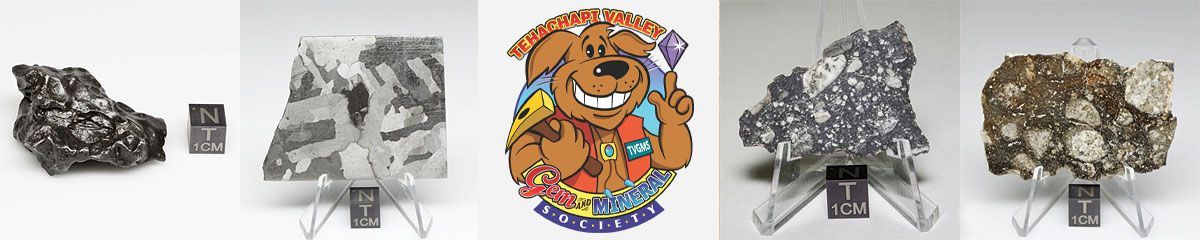
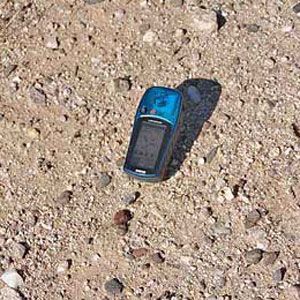
To help you get ready for our next adventure, we’ve put together some exercises to practice:


  • The Essentials: Start with 15 helpful clues regarding meteorites.
  • The Practice Rounds: Test your knowledge with 15 visual identification questions.
  • The Pro-Level Challenge: This one is a bit tougher. we'll show you two very similar-looking rocks side-by-side. Using only basic test results—like attraction to a magnet and a streak test (posted on each image), and your eyes and new knowledge—you’ll have to decide which one is the true space traveler and which is just an Earth rock.


Take a look through these patterns and clues; most should definitely help you on your next hunt!


The Visual Patterns:


  1. Widmanstätten Pattern: A unique, geometric "grid" pattern found only in iron meteorites, visible when the metal is etched with acid. (Not a test done in the field and not found in all iron meteorites.)
  2. Regmaglypts: Shallow, thumbprint-like indentations on a meteorite's surface caused by the turbulent airflow during entry.
  3. Chondrules: Small, round, spherical droplets of mineral grains found within certain stony meteorites.
  4. Fusion Crust: A thin, dark, often glassy "skin" formed by the intense heat of atmospheric friction.
  5. Breccia: A texture where various fragments of rock are fused together into a single mass, looking like a broken mosaic.


The Mineral Clues


  1. Olivine: The beautiful, translucent green crystals often found embedded in pallasite meteorites.
  2. Nickel-Iron Content: A high concentration of these metals makes a meteorite highly magnetic and gives it a distinct metallic luster.
  3. Carbon Content: High levels of carbon result in extremely dark, matte-black textures, common in the most ancient meteorites.
  4. Oxidation: The presence of reddish-brown "rust" caused by the meteorite reacting with Earth's oxygen over time.
  5. Meteorite Streak Test: Used to differentiate meteorites from heavy, metallic Earth minerals like Hematite and Magnetite. Scrape the specimen on un-glazed ceramic to check the streak: Hematite (reddish), Magnetite (dark gray), or Meteorite (none to brownish). Note: Always test the interior to bypass surface rust.


The Major Classifications


  1. Iron Meteorites: Primarily composed of nickel and iron; they are heavy, dense, and often feature metallic shines or Widmanstätten patterns.
  2. Achondrites: Stony meteorites that lack chondrules and look much more like terrestrial volcanic rocks (like basalt).
  3. Pallasites: The "crown jewels" of meteorites—a beautiful mix of iron matrix embedded with large, sparkling olivine crystals.
  4. Carbonaceous Chondrites: Primitive, dark-colored stones rich in organic compounds and water-bearing minerals.
  5. Mesosiderites: A rare "hybrid" class consisting of a mixture of both large metal fragments and stony material.


Are You Ready to Test Your Knowledge? Think you can spot a space rock from a mile away? Step into our meteorite quiz arena and see if you can identify these specimens!

Meteorite Quiz

"Next Question" button will appear once you select the correct answer.

Quiz question image


Score 0-5: "Great Beginning To Your Meteorite Journey!
Score 6-12: "Very Good Job! Try Again & Keep Learning!
Score 13-15: "Great Job! You're Ready To Go Hunting!


Meteorite Identification

Meteorite Identification Challenge: Identify the meteorite! Study the rocks below and use the provided data—including magnet attraction and streak test results—along with your own observations to determine which is a true meteorite and which is just an Earth rock.

Select which one is a Meteorite? (1 of 5)
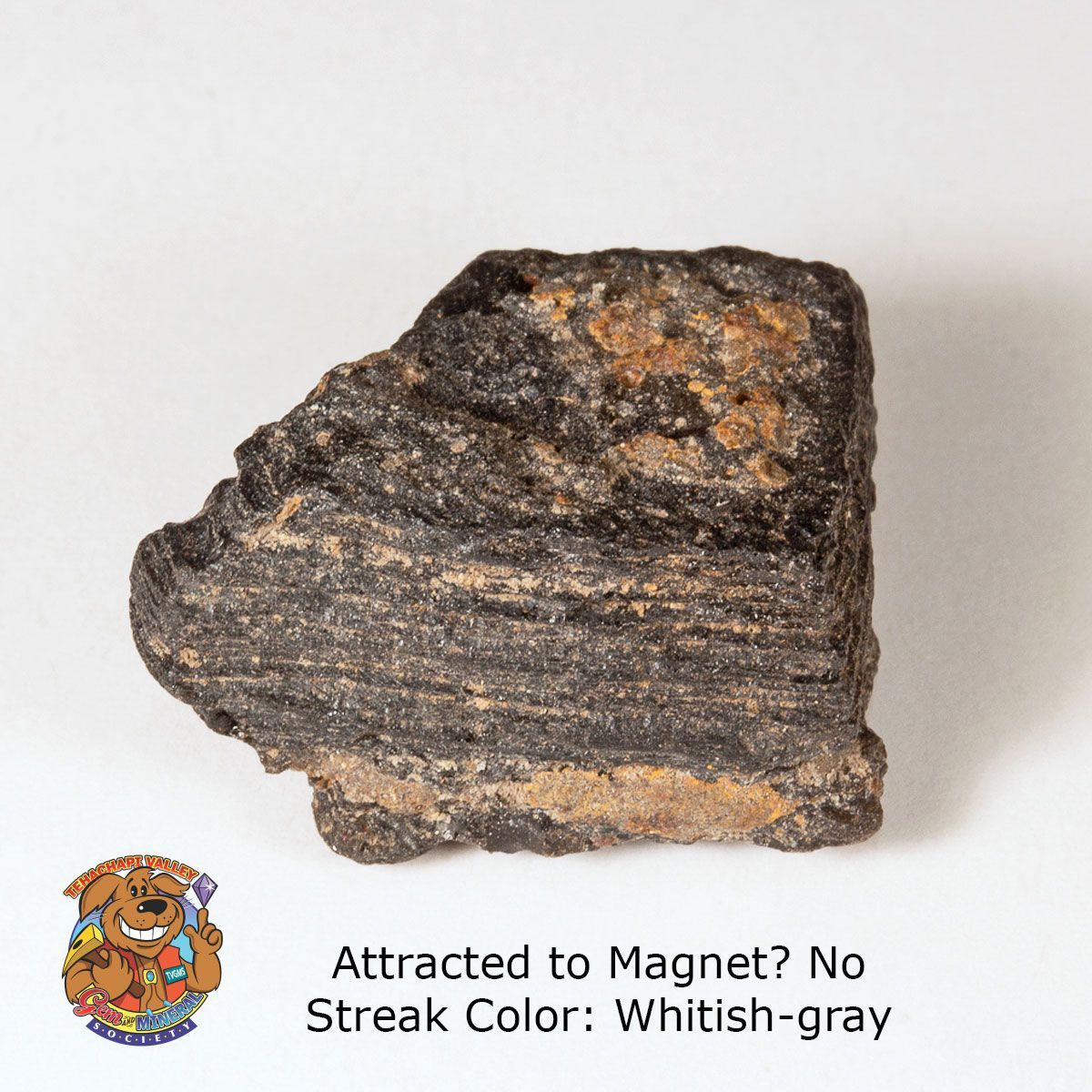
Stone A
Stone A
Not quite!
✓ This was the correct answer
This is not a meteorite. It is a terrestrial black rock with an interesting surface that could be confused with a meteorite. Meteorite fusion crust is often textured and sometimes slightly bubbly. The best indication that this is not a meteorite is the presence of layers in the rock. Meteorites form in outer space. Without gravity there can be no creation of layering.
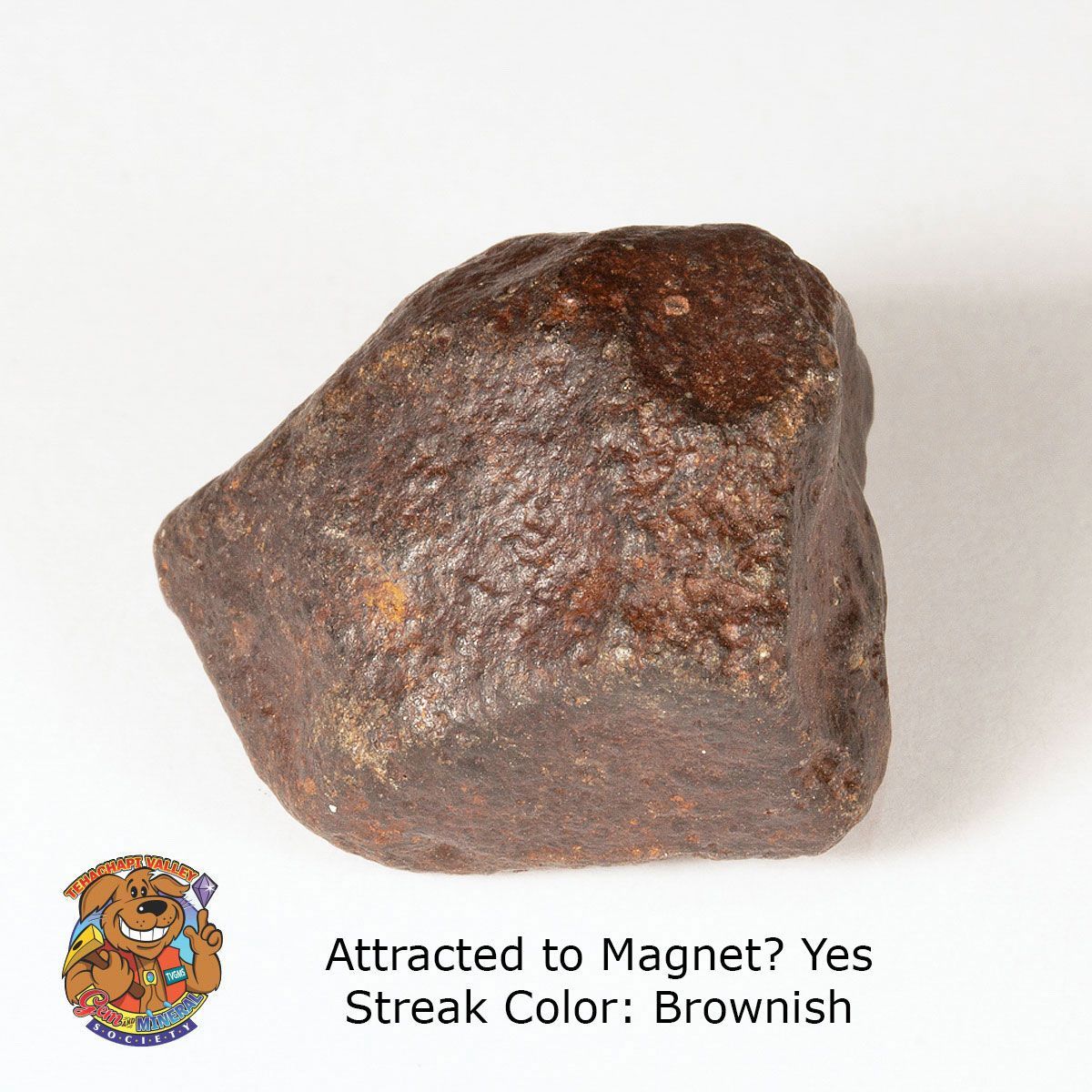
Stone B
Stone B
Correct!
✓ This was the correct answer
This is a real meteorite. It has a surface smoothed by wind and abrasion. This is called residual fusion crust. There are several pits on the exterior. The mostly black color does have small patches of brown caused by rusting of nickel iron grain scattered through the matrix of the meteorite.
Select which one is a Meteorite? (2 of 5)
Stone A
Stone A
Correct!
✓ This was the correct answer
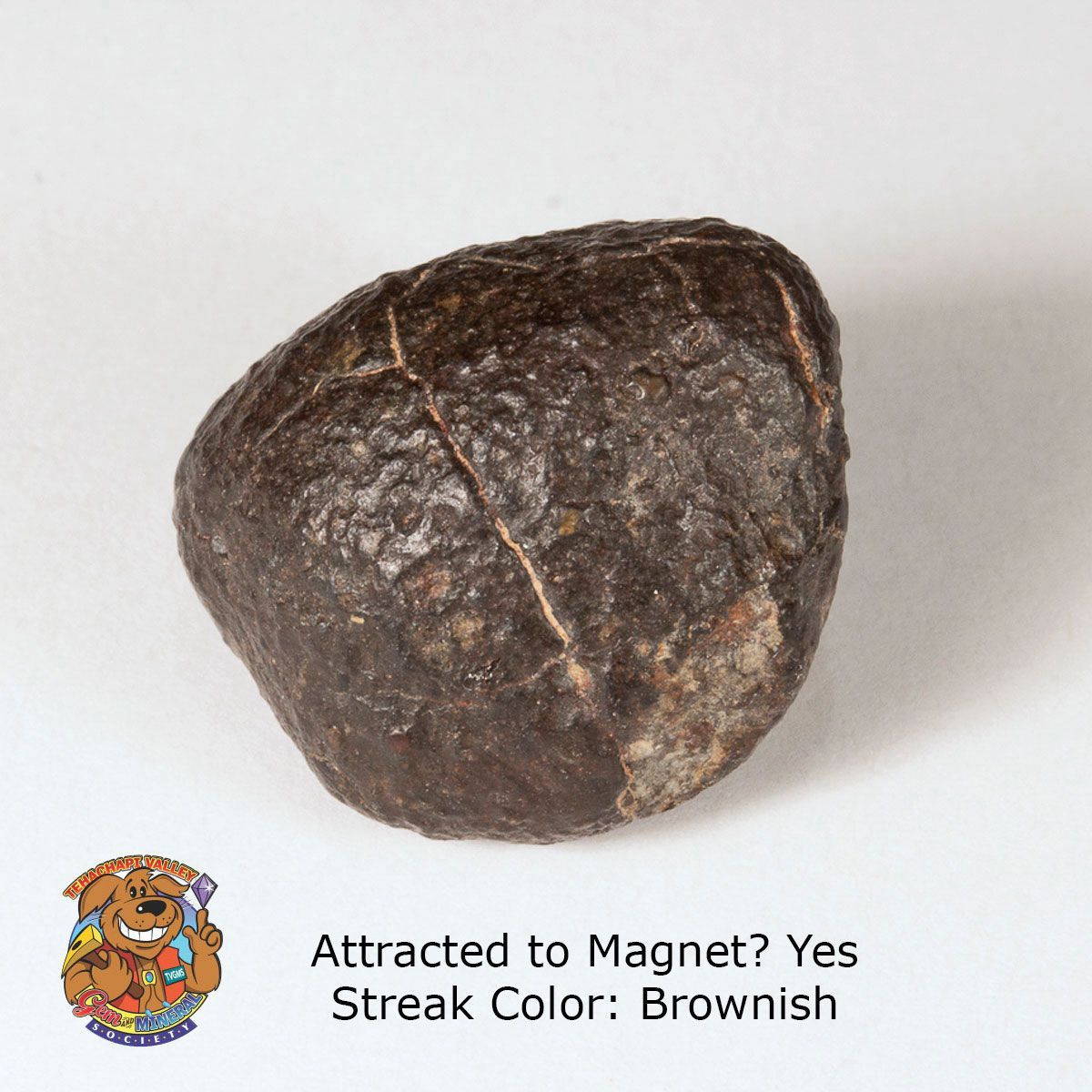
This is a true meteorite. It has a slightly weathered fusion crust that is now smooth. The cracks are a common feature of stone meteorites. They are often seen on fresh meteorites a result of the cooling of the fusion crust. Stone meteorites have a lumpy surface caused by the round chondrule structures they contain.
Stone B
Stone B
Not quite!
✓ This was the correct answer
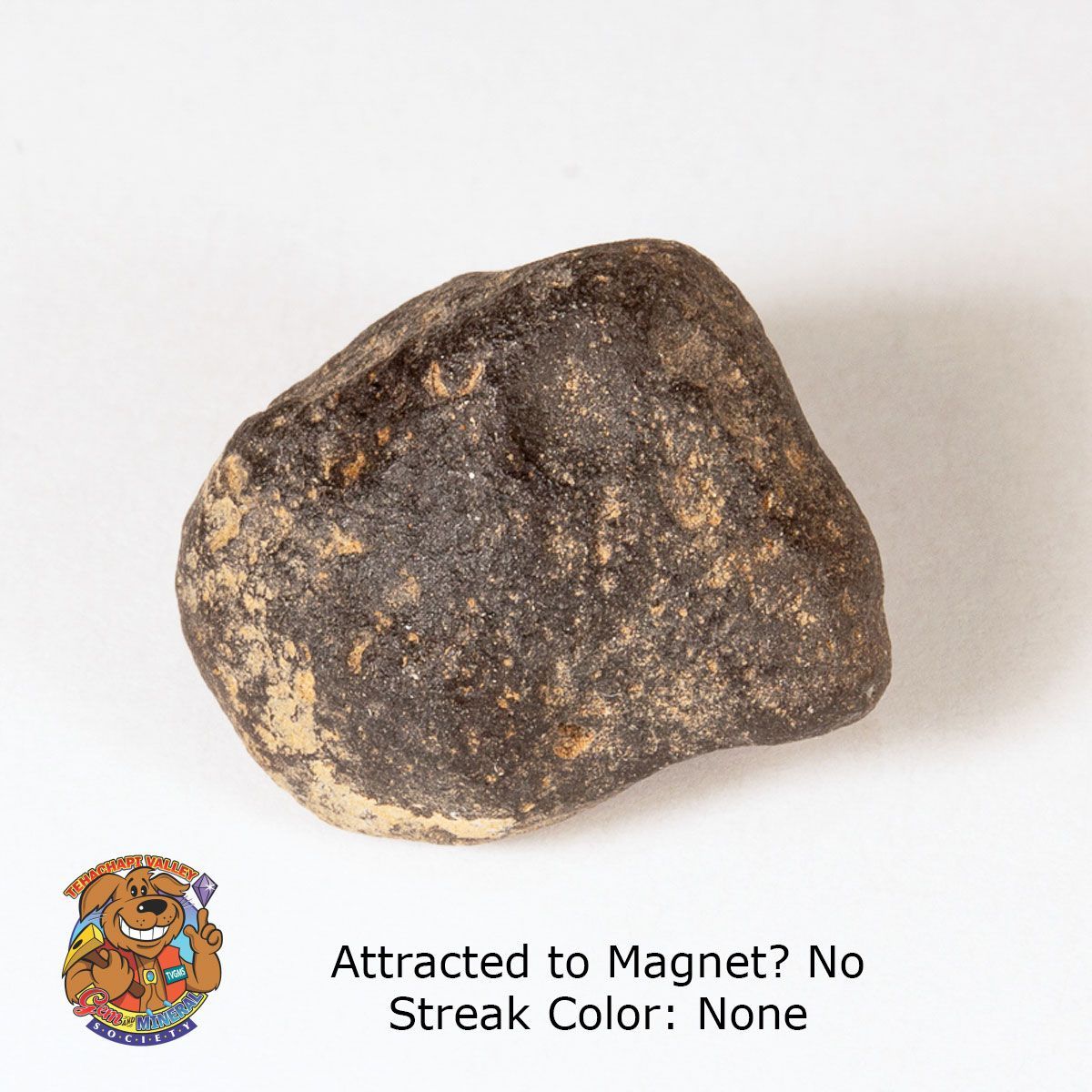
This is not a meteorite but is instead a Saffordite. These stones are obsidian. Because they are very black when seen on the ground and have a bumpy surface they look similar to stone meteorites and tektites. However, Saffordite are often transparent when held up to light. With the exception of rare pallasites, meteorites are not transparent. They are a volcanic natural glass.
Select which one is a Meteorite? (3 of 5)
Stone A
Stone A
Correct!
✓ This was the correct answer
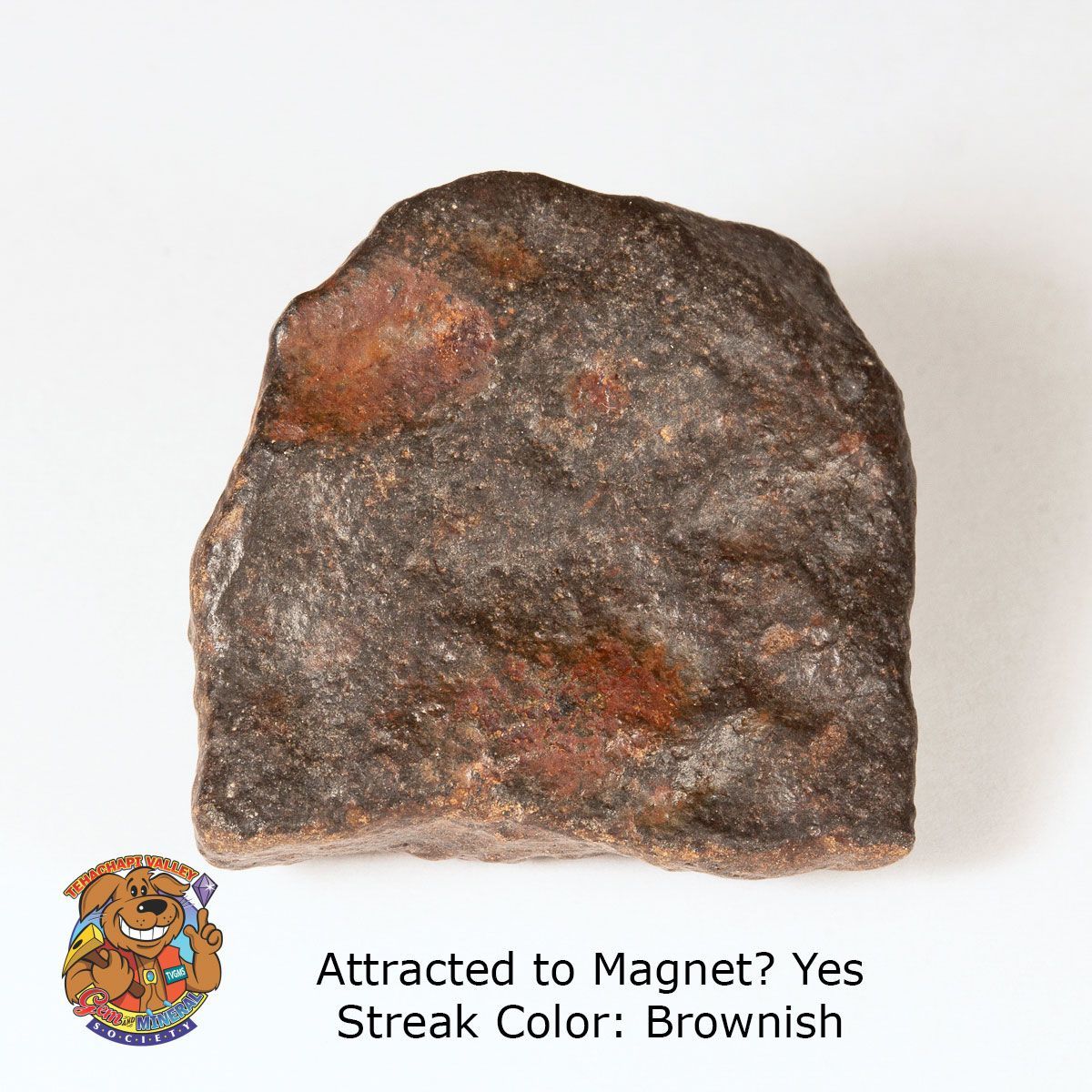
This is a genuine meteorite. It is a fragment which has broken from a larger meteorite over time. It is now brown in color. This fragmentation is a common occurrence. The iron found in almost all meteorites rusts in the Earth environment. The iron grains swell as they rust cracking and breaking down the stone until after ages it becomes unrecognizable.
Stone B
Stone B
Not quite!
✓ This was the correct answer
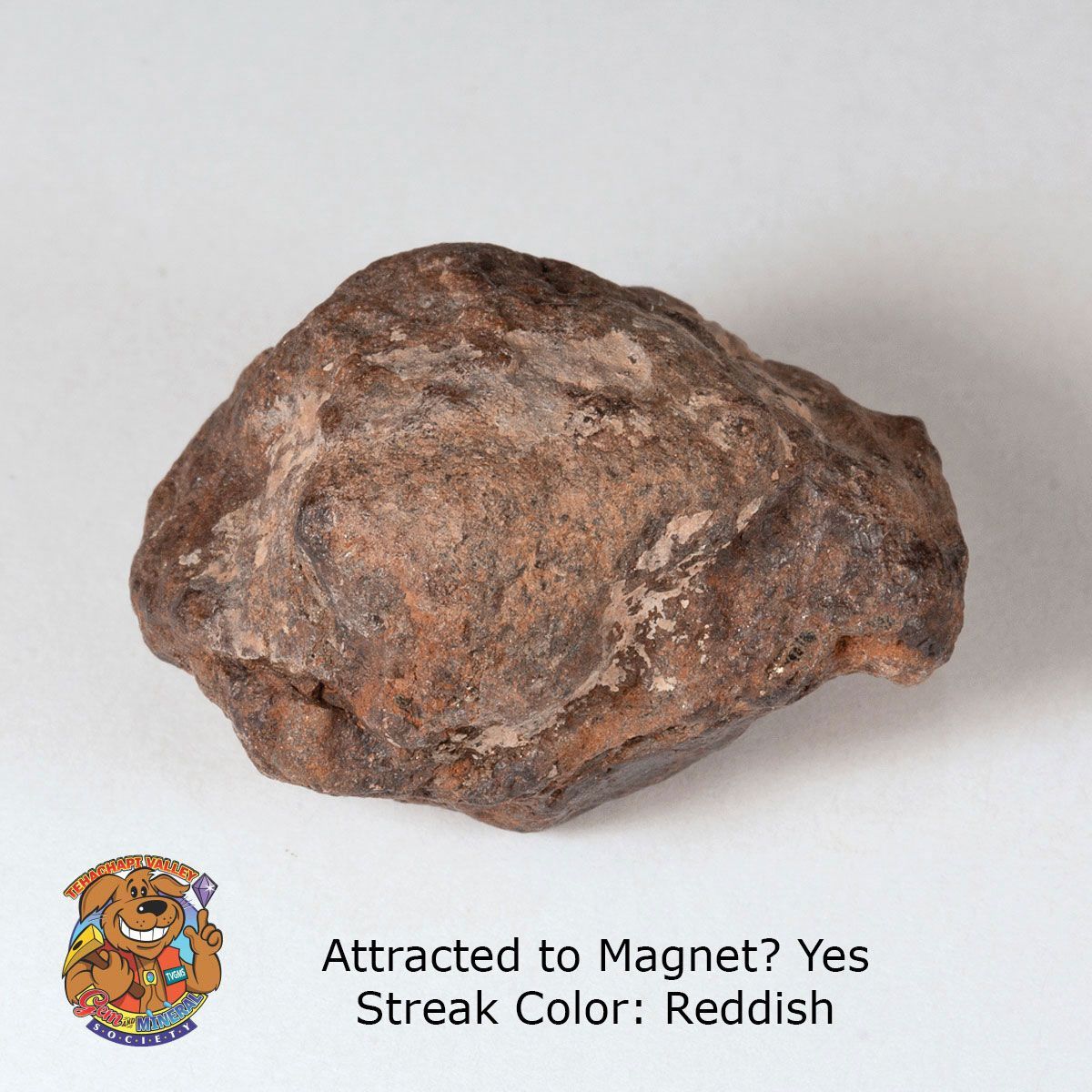
This is hematite another terrestrial iron mineral that is usually attracted to a magnet. It is often dark black but can be dark brown also. When ground it creates a red powder called rouge. It was used in make up and as the color used for cave paintings. But is not meteoritic. Stone meteorites nearly always create a brown powder when ground.
Select which one is a Meteorite? (4 of 5)
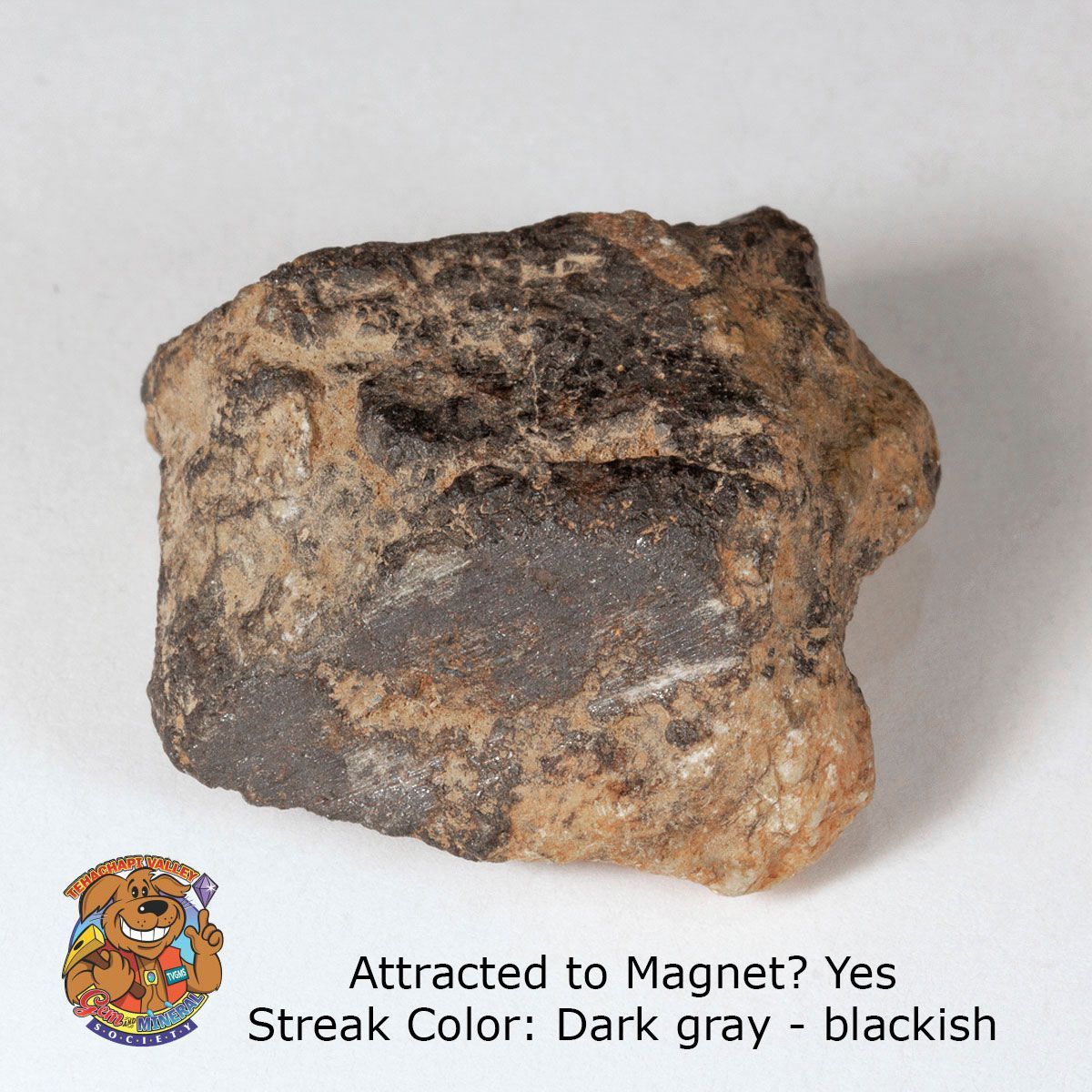
Stone A
Stone A
Not quite!
✓ This was the correct answer
This is a common terrestrial mineral called Magnetite. It is an iron rich mineral that is often black and responds to a magnet. It can also like this specimen have a brown weathered exterior. Some specimens of magnetite show crystal structure. It is a rock frequently mistaken for a meteorite.
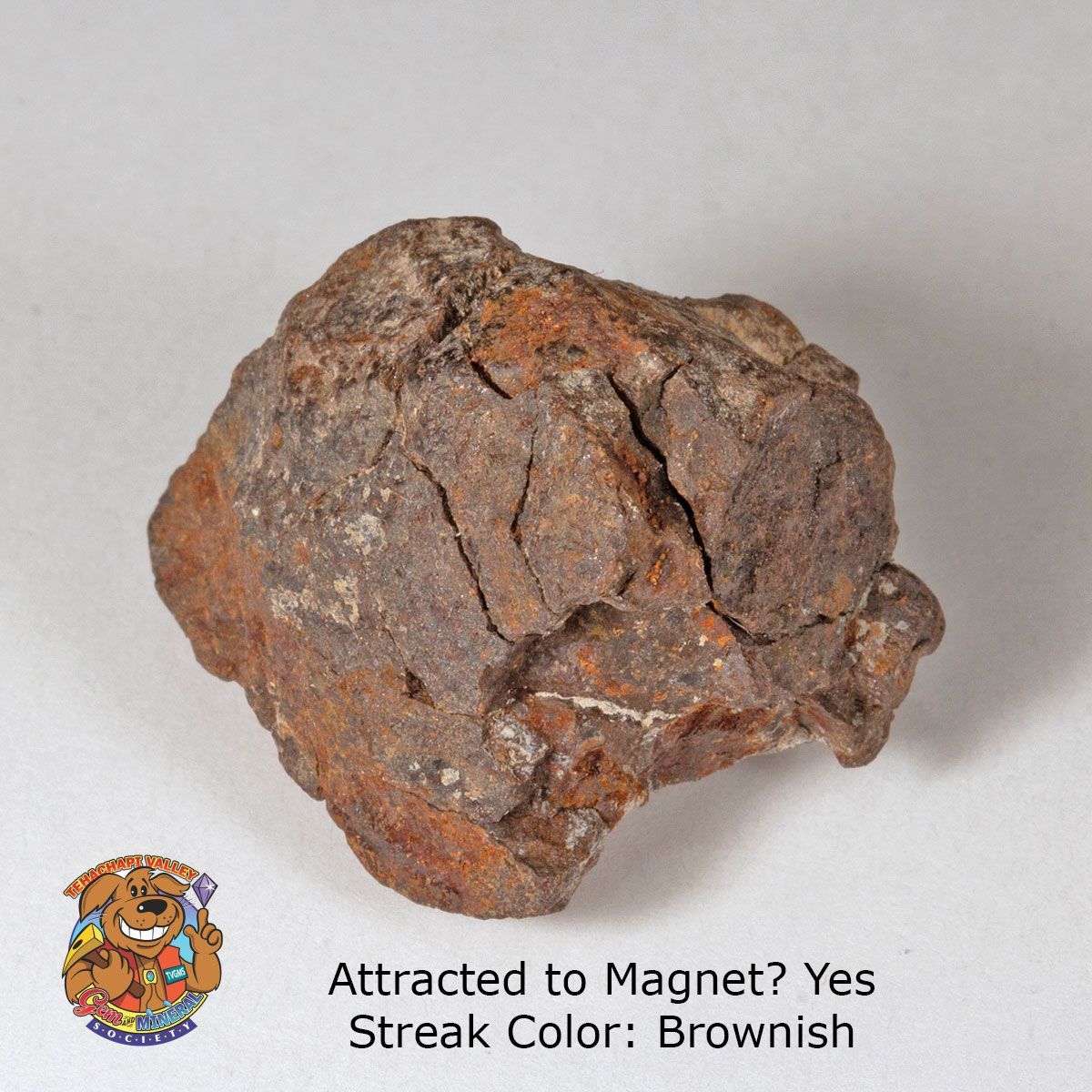
Stone B
Stone B
Correct!
✓ This was the correct answer
This is a corner of a meteorite showing weathered fusion crust and the darkened brown color. The color has changed from being on Earth for several thousand years. This is a common appearance for many meteorites found in desert areas.
Select which one is a Meteorite? (5 of 5)
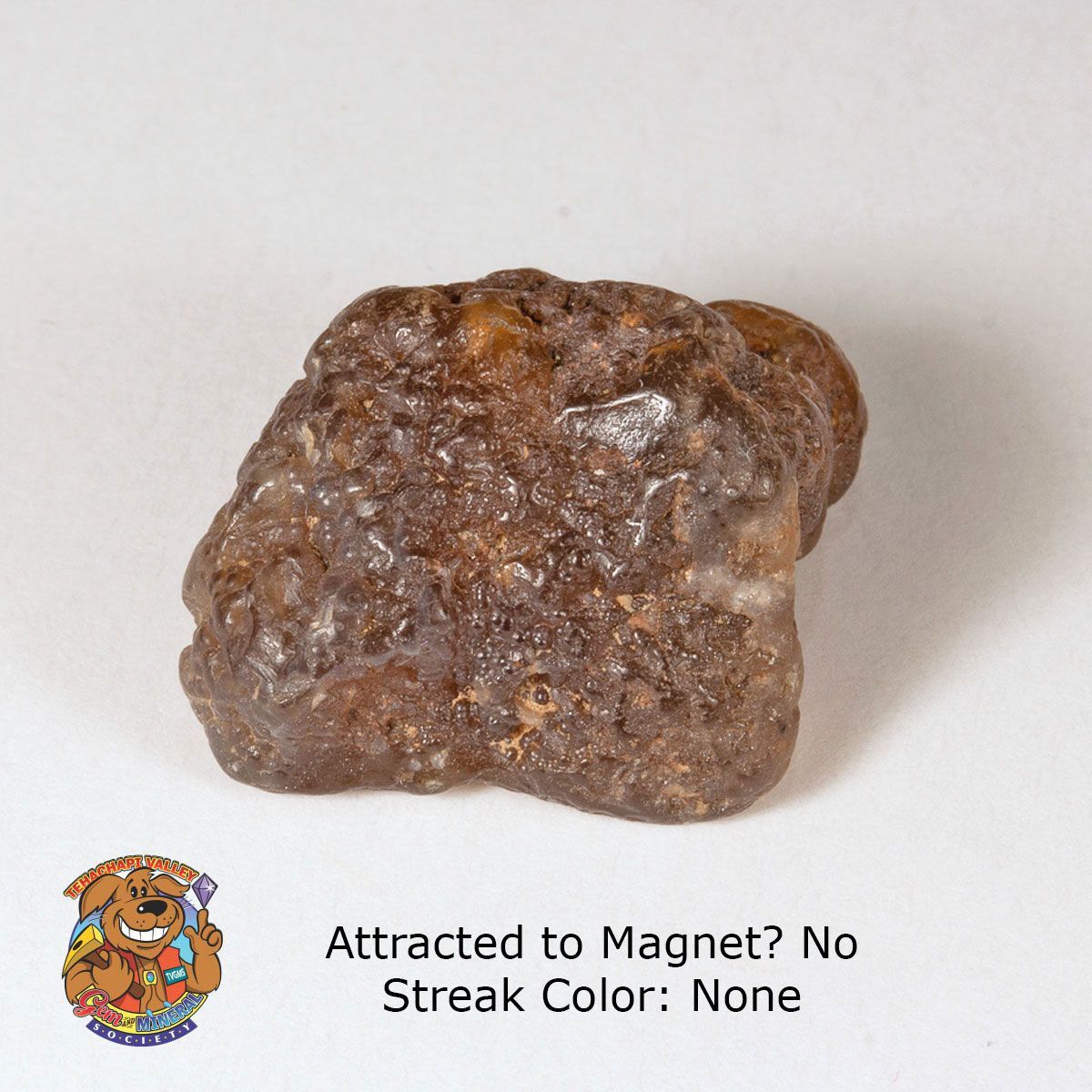
Stone A
Stone A
Not quite!
✓ This was the correct answer
This is an agate like rock with a black surface. It has a look of slag that can be confused for a meteorite on most its surface. The area of botryoidal agate that is tan colored is a give away that it is not slag or meteorite. The black bumpy surface on terrestrial rocks is often confused with true meteorites. Agate will not react to a magnet.
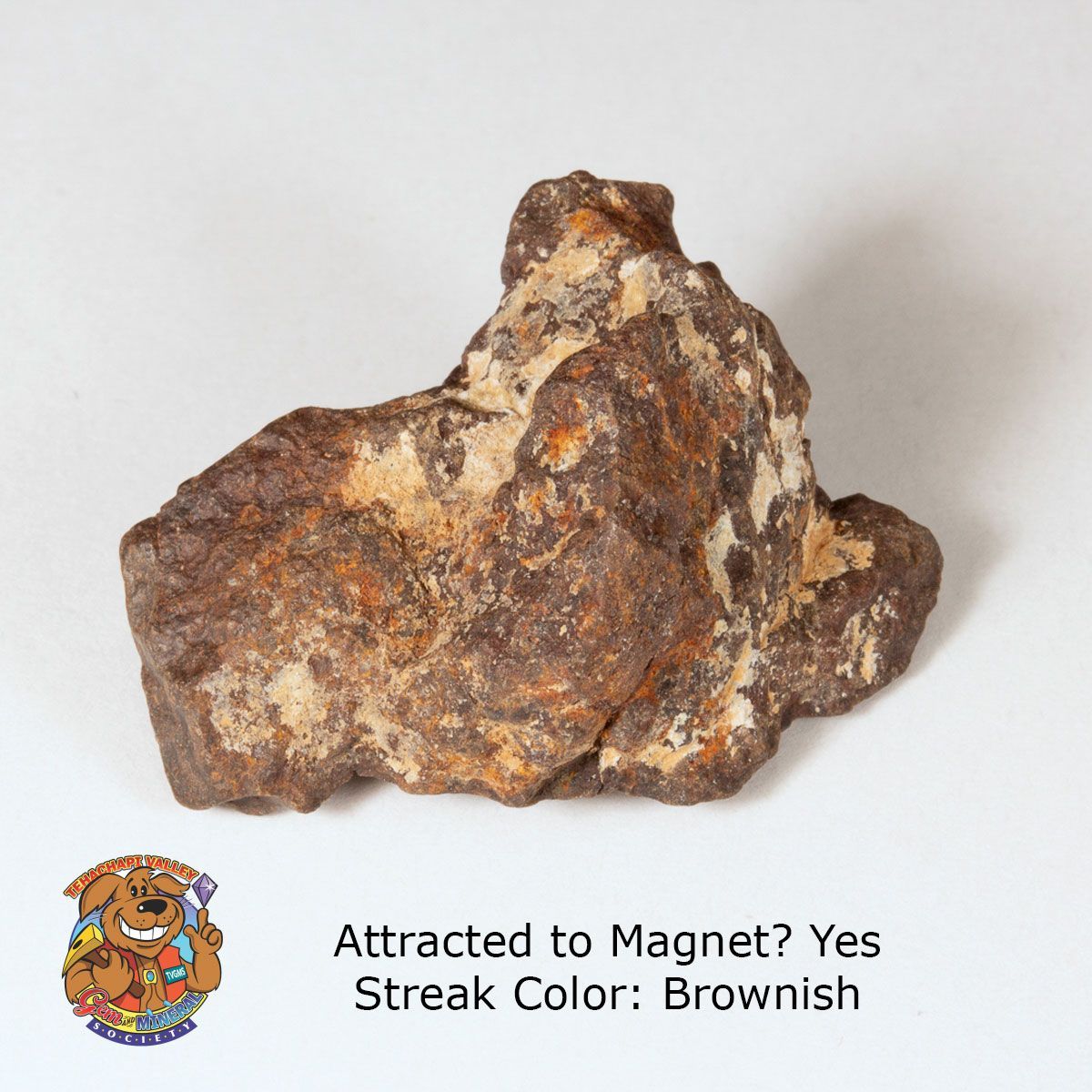
Stone B
Stone B
Correct!
✓ This was the correct answer
Meteorites receive a fusion crust passing through the atmosphere. Most stony meteorites have a black fusion crust when freshly fallen. Over time the fusion crust will weather and change color. It becomes more brown as water enters the meteorites rusting the iron grains of the space rock. Over time a patina called desert varnish can also form on meteorites darkening the stone. Caliche a calcium deposit like cement can also form. A small amount is seen on this meteorite.


Please remember that this webpage is just the beginning of your journey into the world of meteorite hunting. Finding specimens from space is rarely a matter of luck alone; true success in this field requires unwavering dedication, patience, and a continuous pursuit of learning. As you continue to study the unique characteristics of these amazing rocks from space, you will find that every find is a reward for your persistence and passion for the hunt.