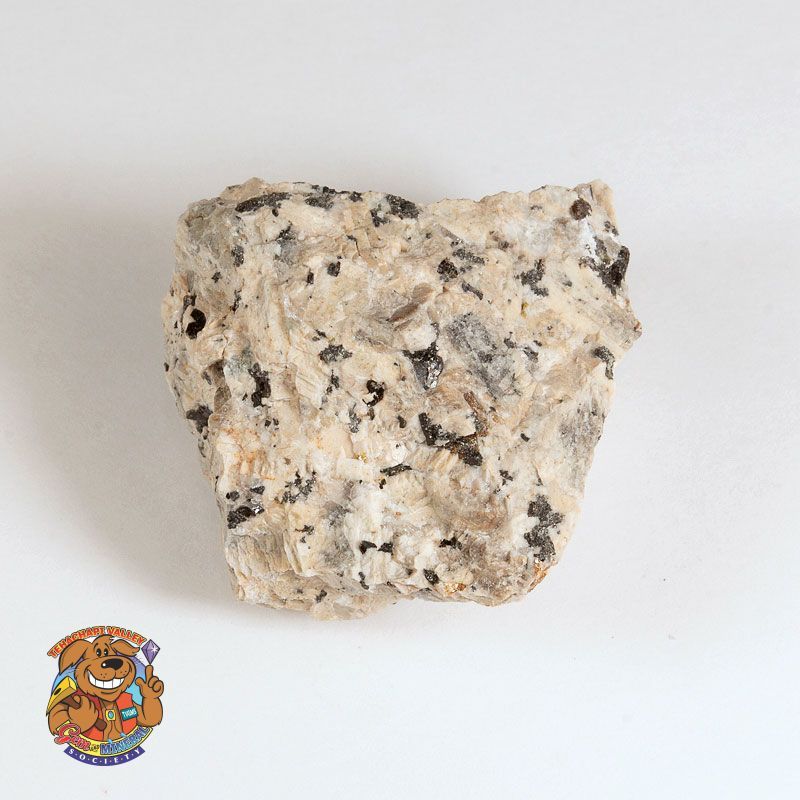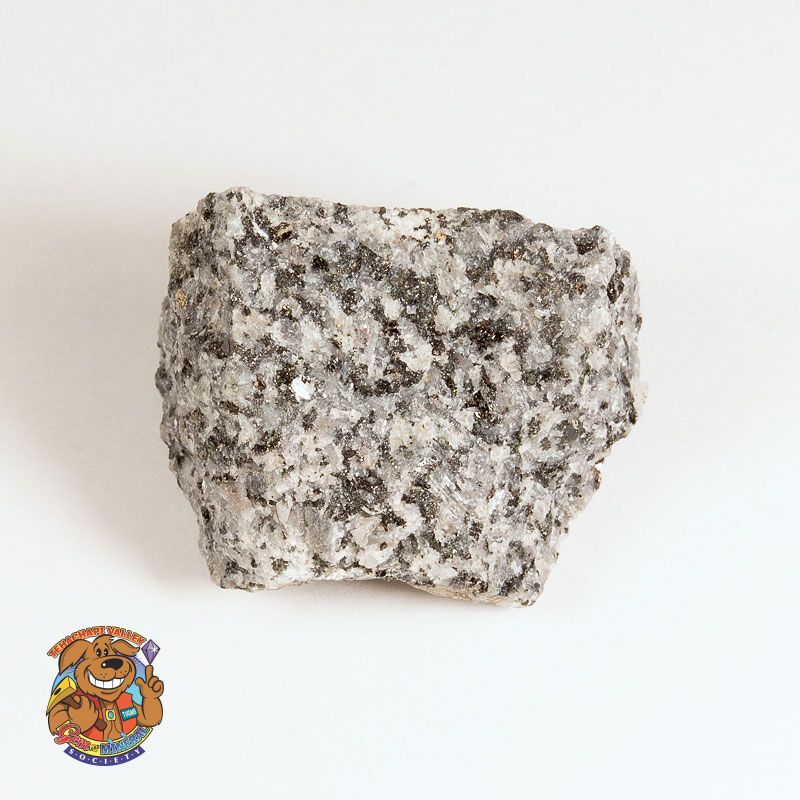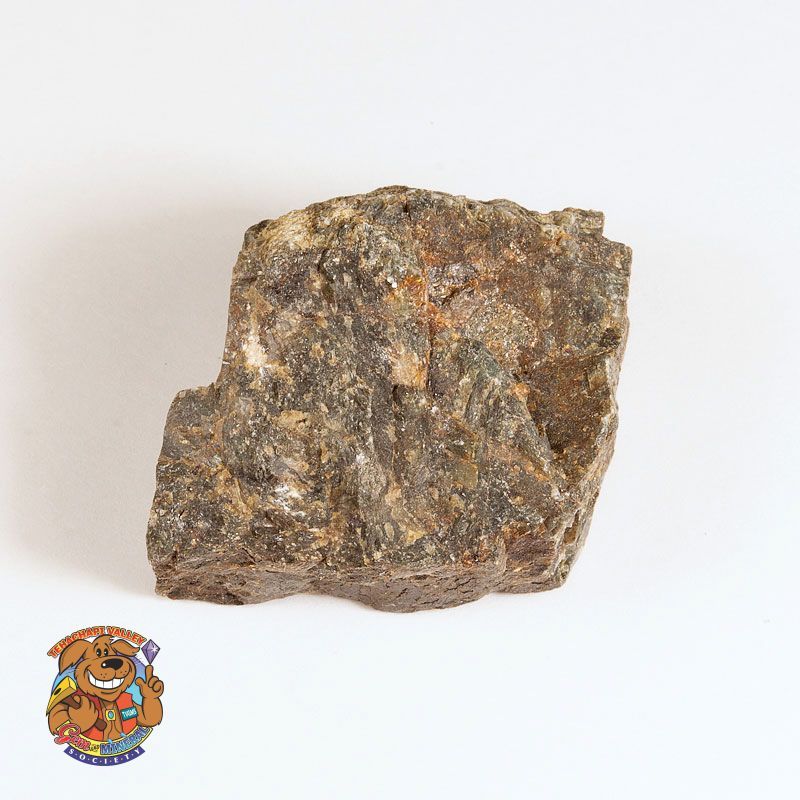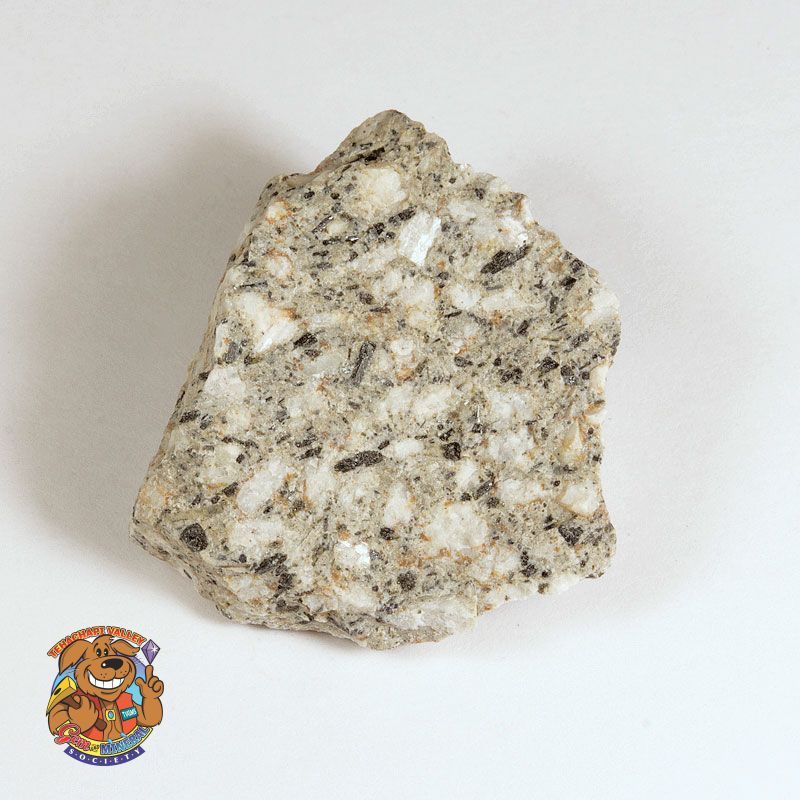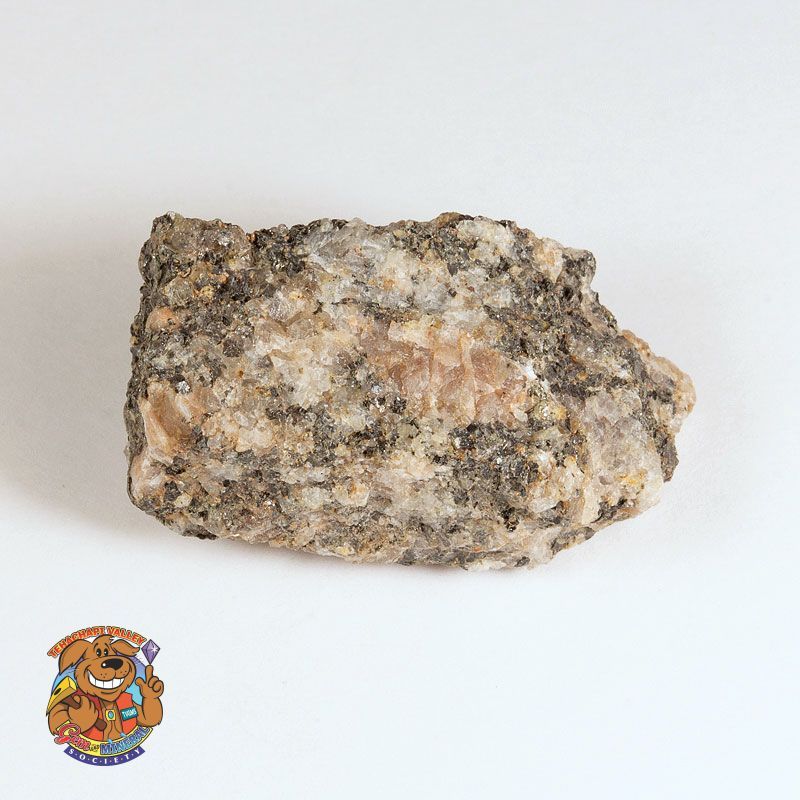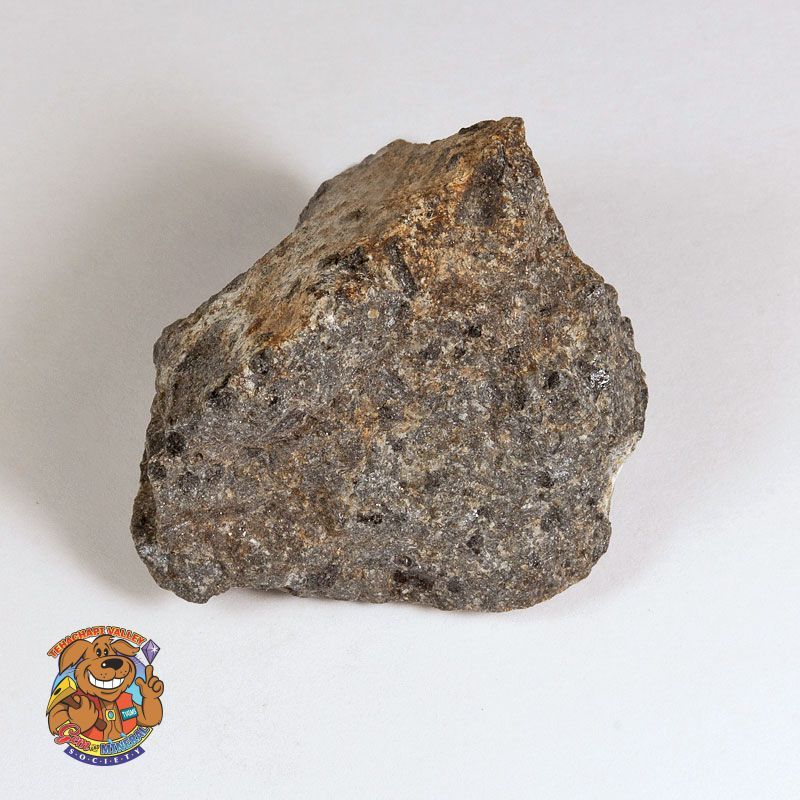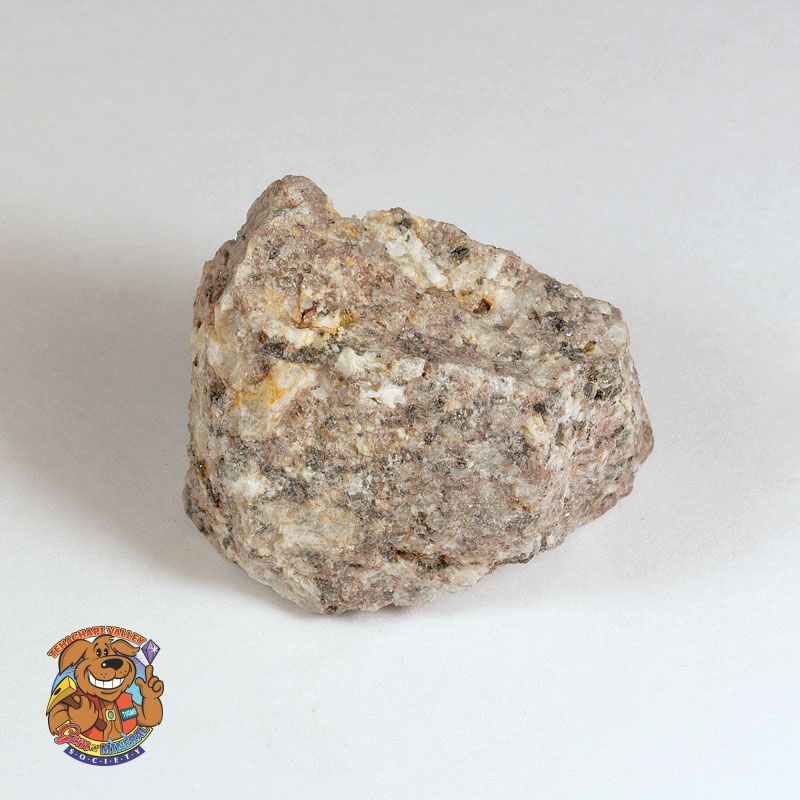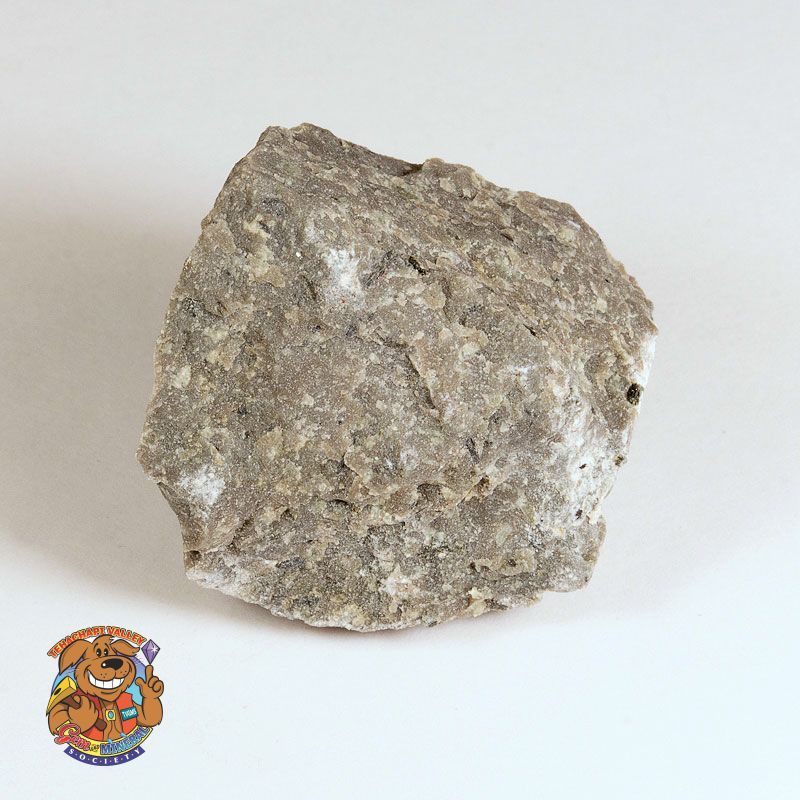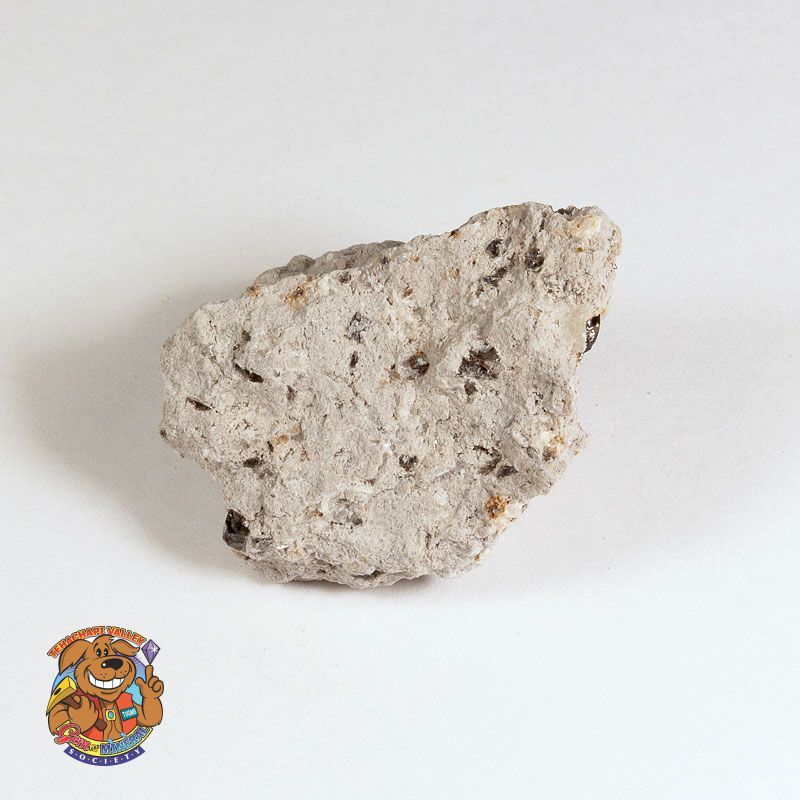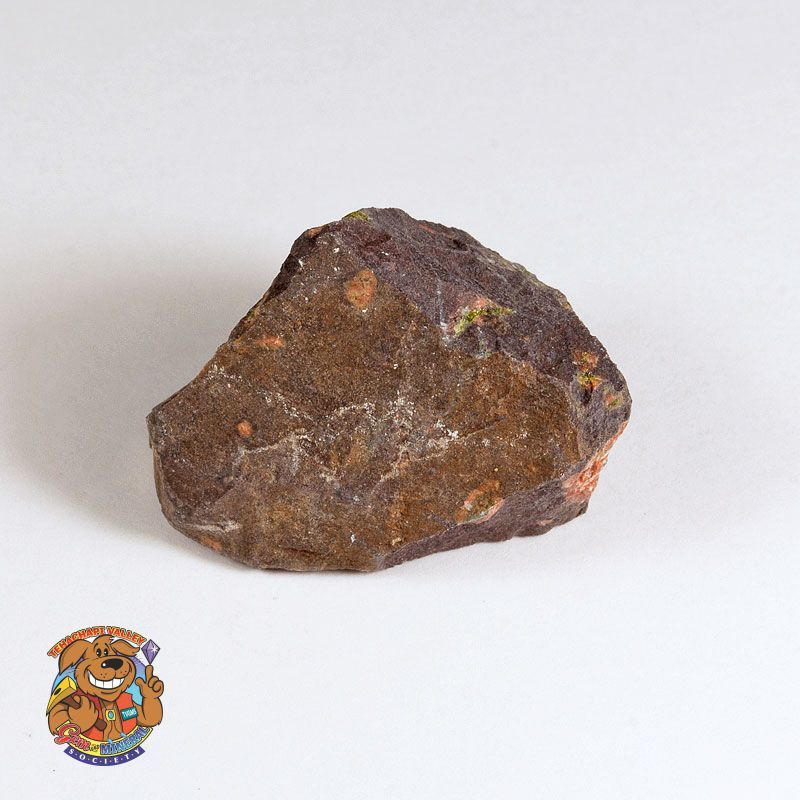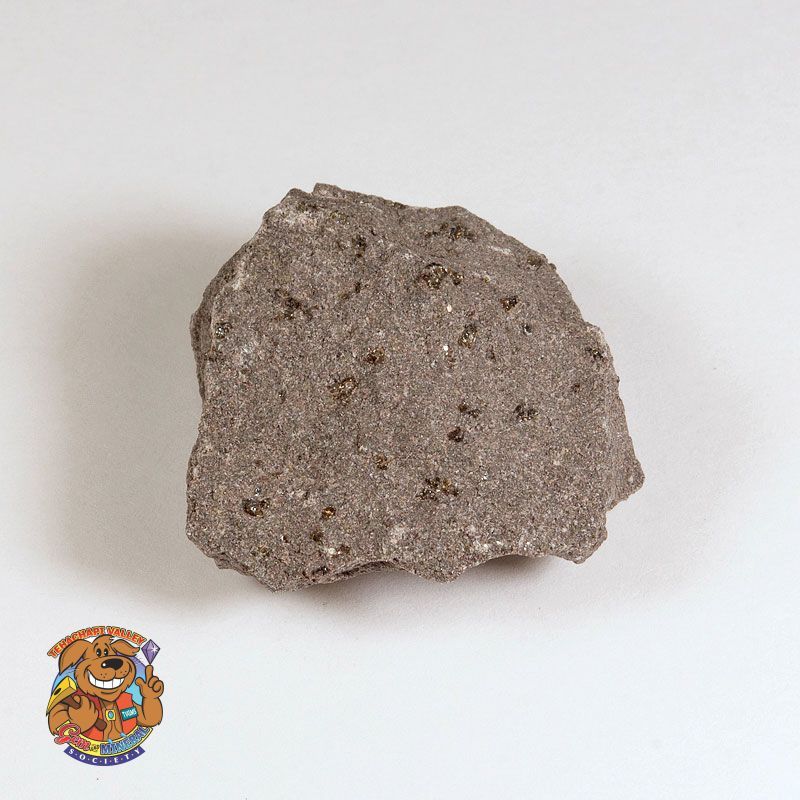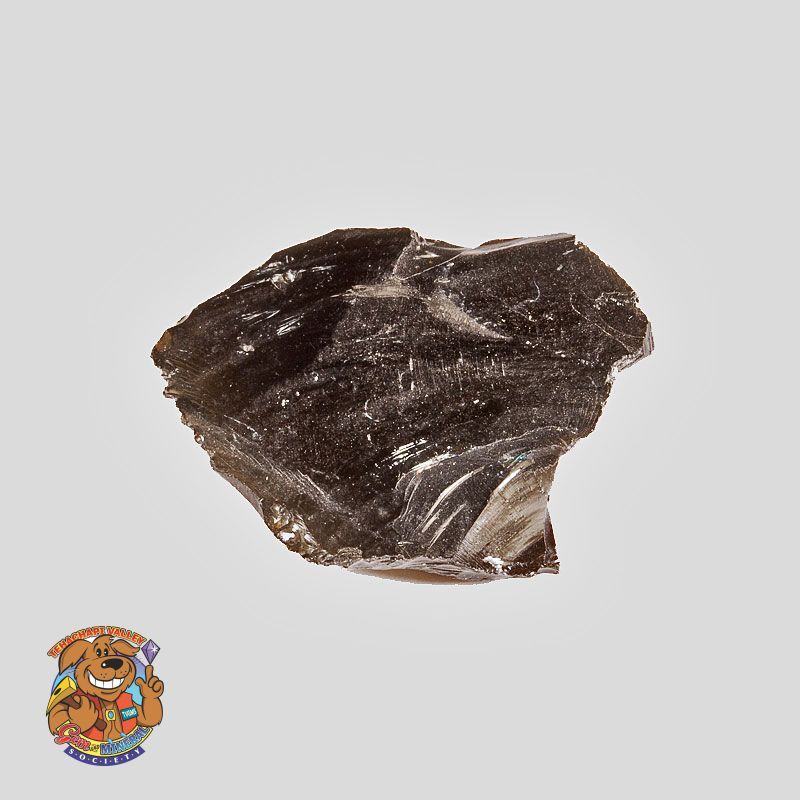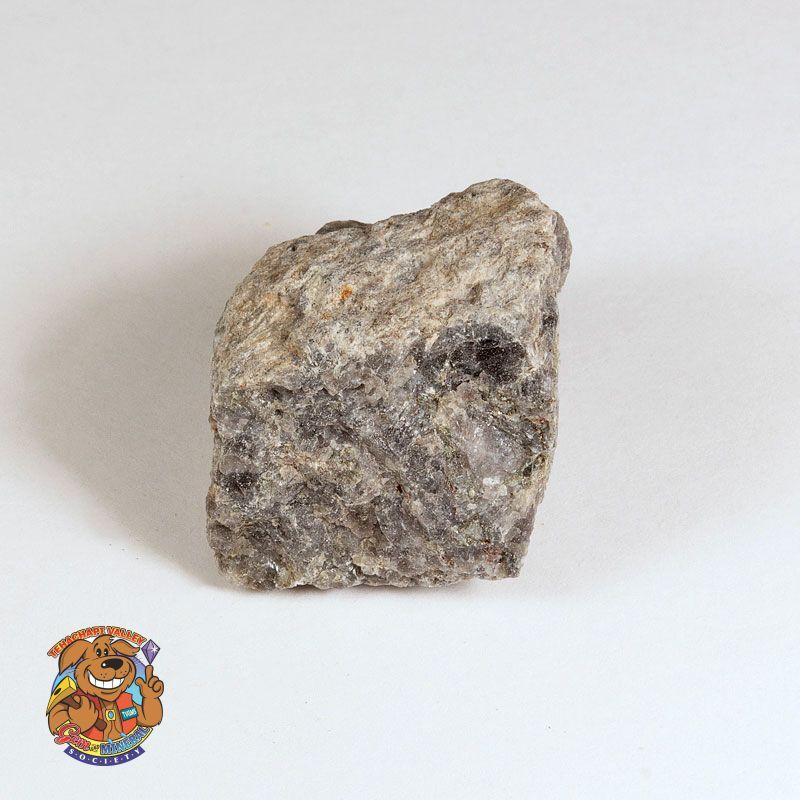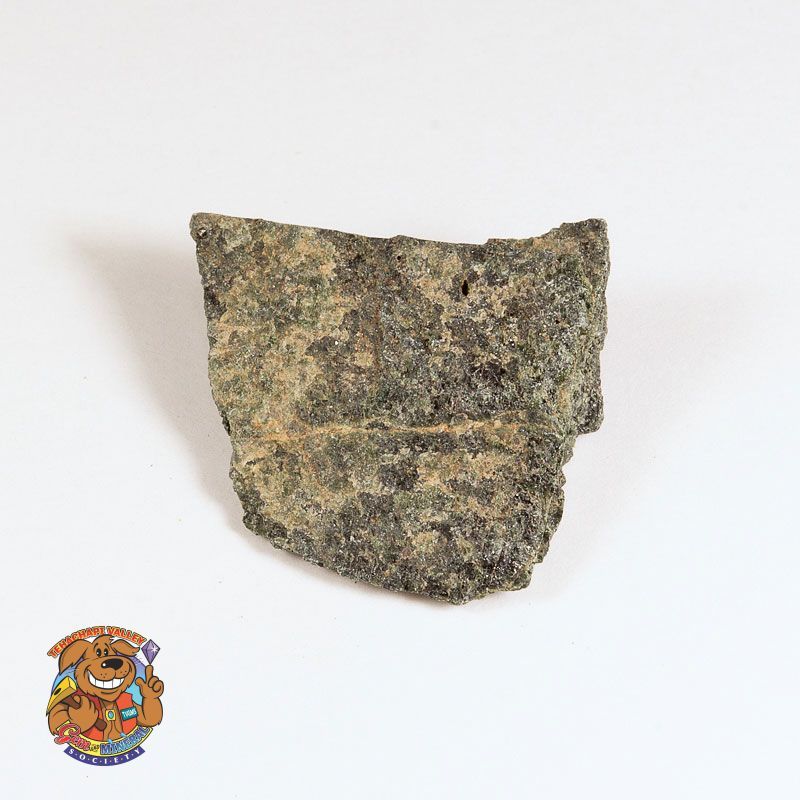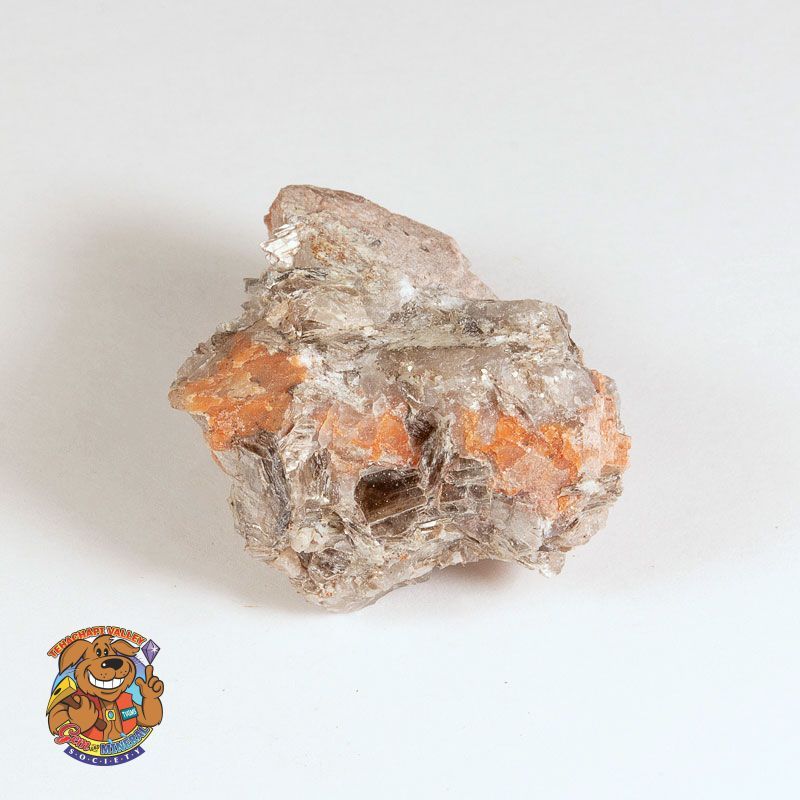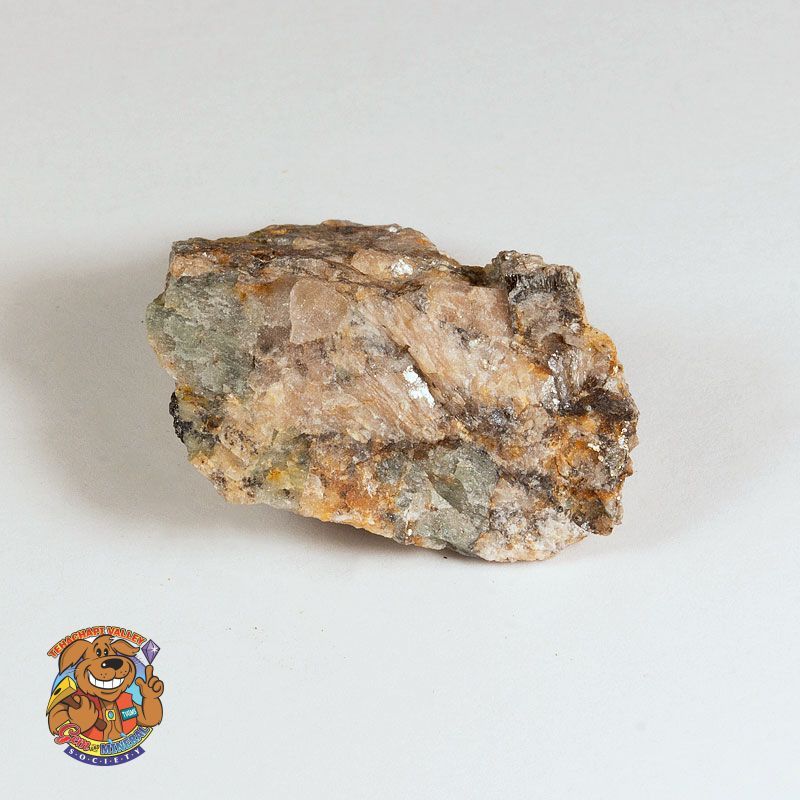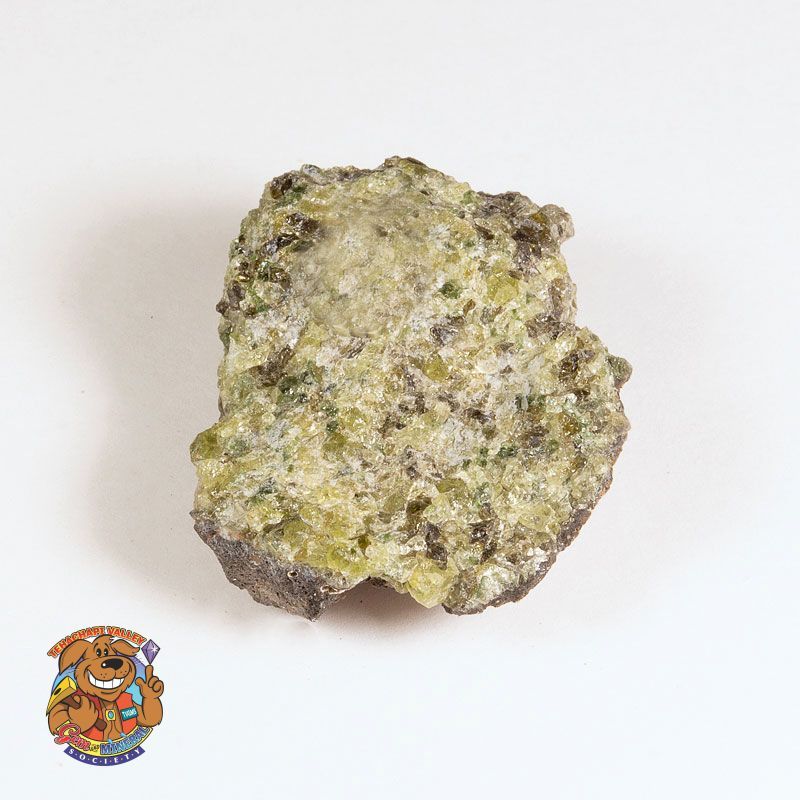


Igneous rocks Rocks formed from the cooling of molten rock. , derived from the Latin word ignis (meaning fire), are one of the three primary rock types that form the Earth's crust. These rocks are created through the cooling and solidification of molten material. This process begins as molten rock, known as magma Hot, melted rock located underground. , when it is located beneath the Earth's surface, or as lava Molten rock that has reached the Earth's surface. once it erupts onto the surface through volcanic activity.
The classification and physical characteristics of igneous rocks are determined primarily by their cooling rate and the environment in which they solidify.
Intrusive (Plutonic) Formations
When magma is trapped deep within the Earth's crust, it is insulated by surrounding rock layers. This environment causes the magma to cool extremely slowly, often over thousands or even millions of years. This prolonged cooling period allows ions to migrate to crystal lattices The organized, repeating structure of atoms in a crystal. , resulting in the growth of large, visible mineral grains.
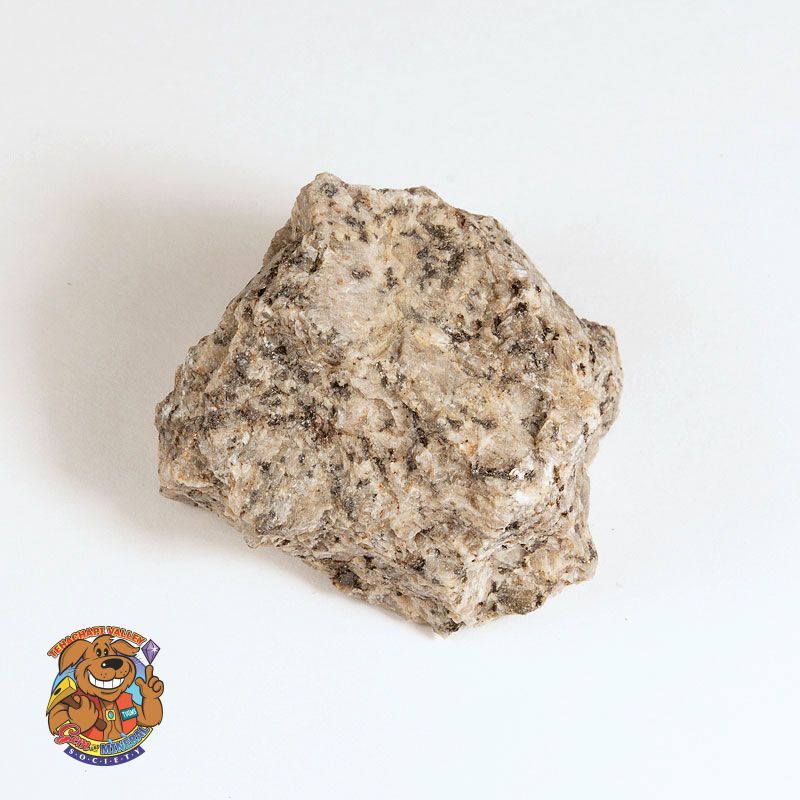
Rocks with this coarse-grained texture are known as intrusive Rocks that form inside the Earth from cooling magma. or plutonic Another name for intrusive rocks. rocks. Common examples include:
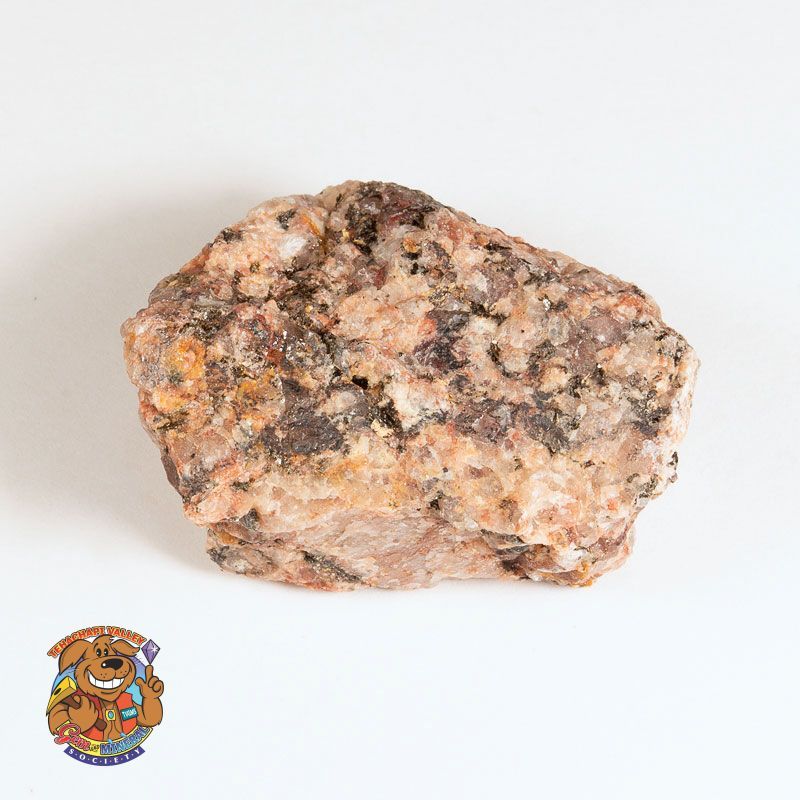
- Granite A common rock with large, colorful crystals. : A widespread, coarse-grained rock often containing quartz A hard, common mineral found in many rocks. and feldspar A very common group of minerals that make up much of the Earth's crust. .
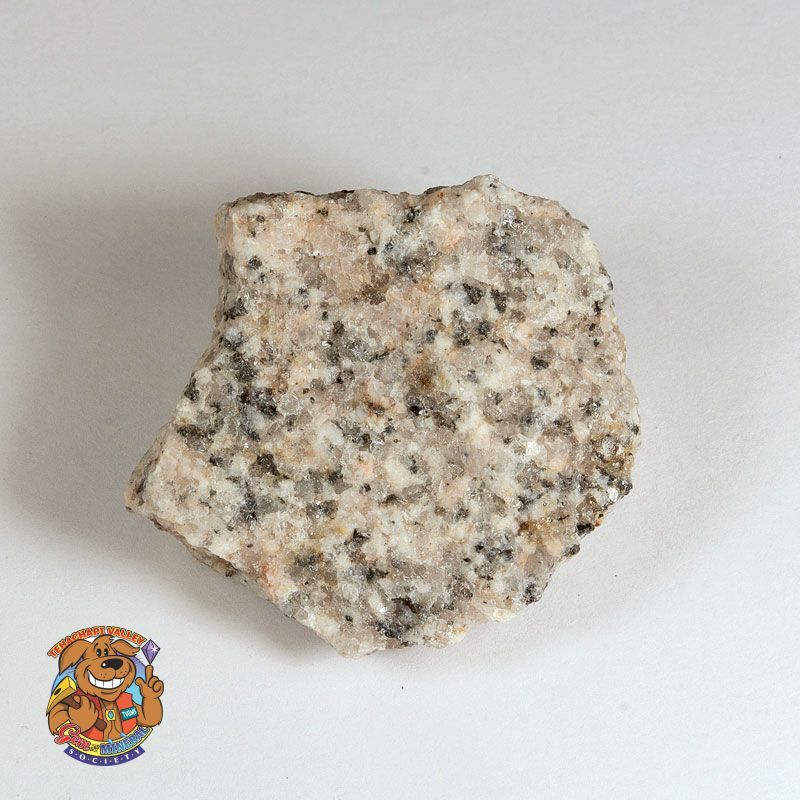
- Diorite A medium-grained rock with a salt-and-pepper look. : A medium-to-coarse-grained rock with a salt-and-pepper appearance.
- Gabbro A dark, heavy igneous rock. : A dark, dense, phaneritic rock composed primarily of pyroxene A group of dark-colored minerals. and plagioclase A common mineral found in many igneous rocks. .
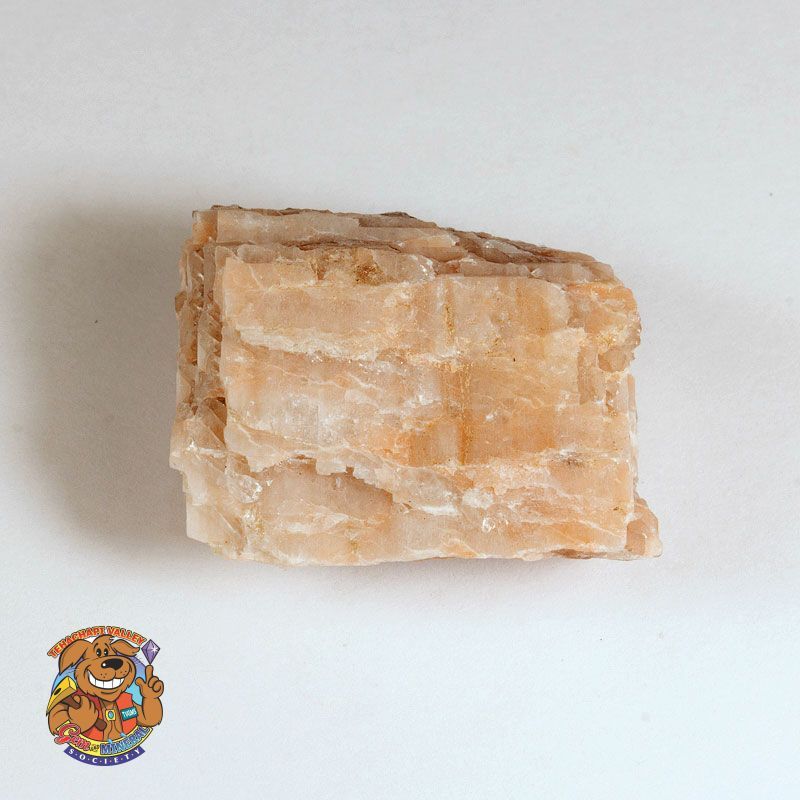
- Pegmatite An igneous rock with very large crystals. : A specialized type of intrusive rock characterized by exceptionally large crystals.
Extrusive (Volcanic) Formations
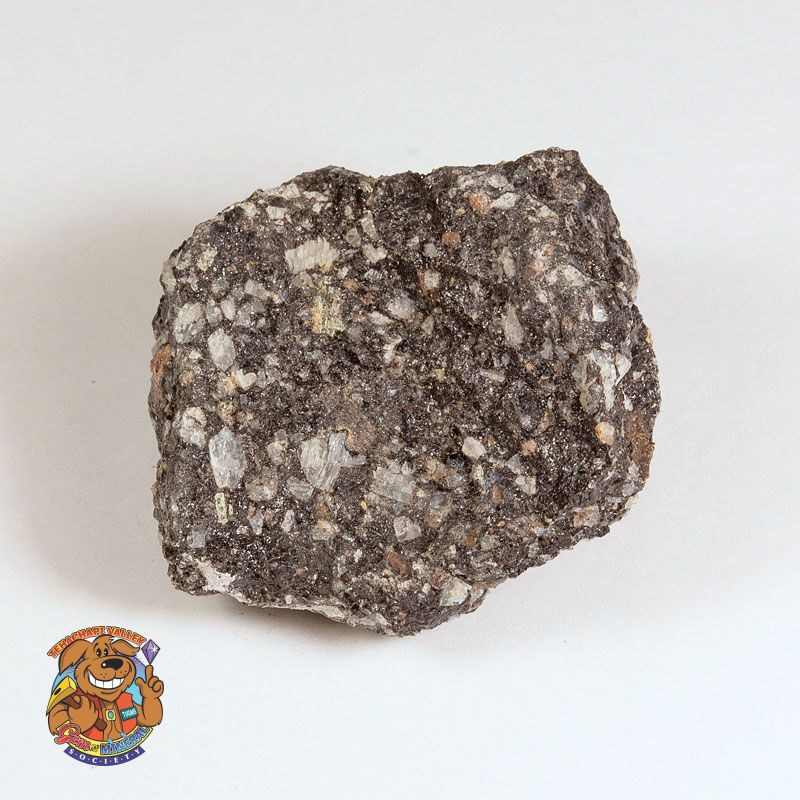
In contrast, when molten rock reaches the surface through volcanic Relating to volcanoes or volcanic activity. eruptions, it is exposed to much lower temperatures. This rapid drop in temperature causes lava to solidify quickly, leaving very little time for large crystals to develop. As a result, extrusive rocks typically have an aphanitic texture A rock texture where crystals are too small to see without a microscope. , meaning their crystals are too small to be seen with the naked eye.
Key examples of extrusive rocks include:
- Basalt A dark, fine-grained volcanic rock. : The most common volcanic rock, characterized by its dark color and fine-grained texture.
- Andesite An intermediate volcanic rock. and Rhyolite A felsic volcanic rock. : Intermediate and felsic rocks that reflect varying levels of silica A compound made of silicon and oxygen, a key part of many minerals. content and cooling speeds.
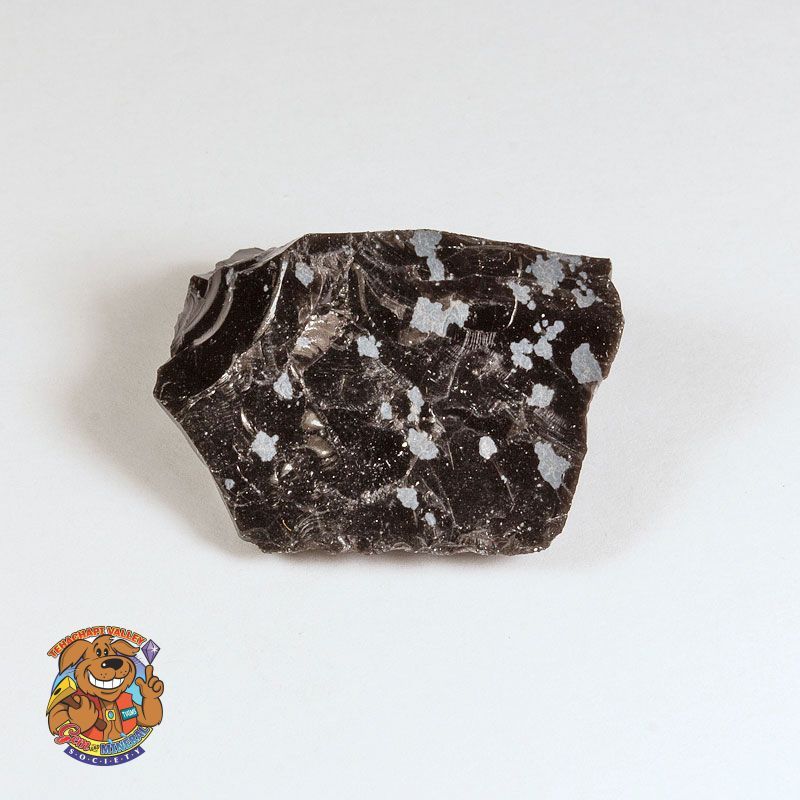
- Obsidian A smooth, black volcanic glass. : A unique form of volcanic glass that forms when lava cools so instantaneously that no crystalline structure can form at all.
Specialized Textures and Volcanic Products
The cooling process can also produce specialized textures based on the presence of dissolved gases and the speed of solidification:
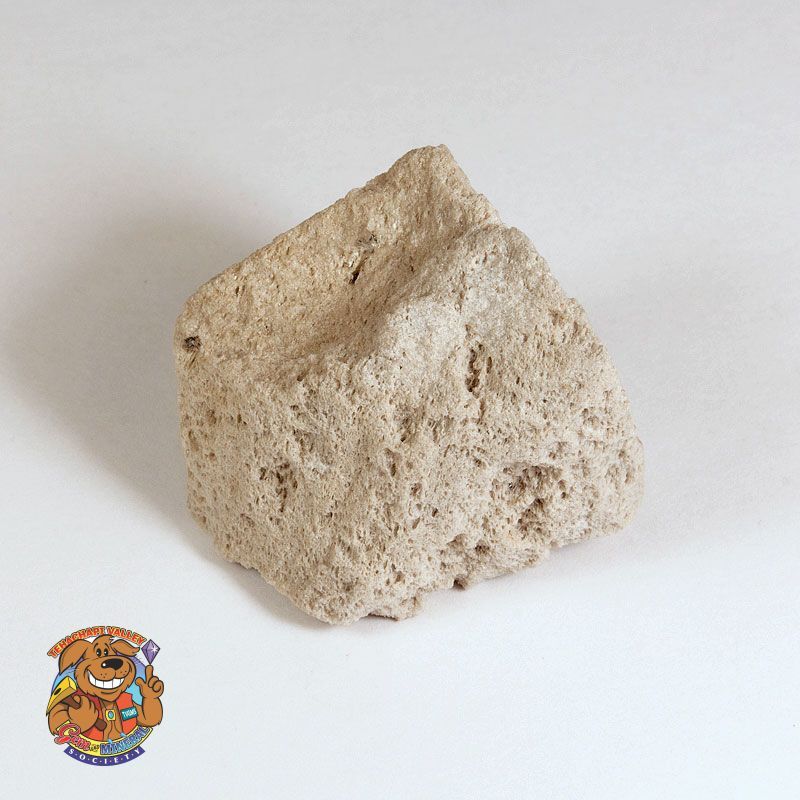
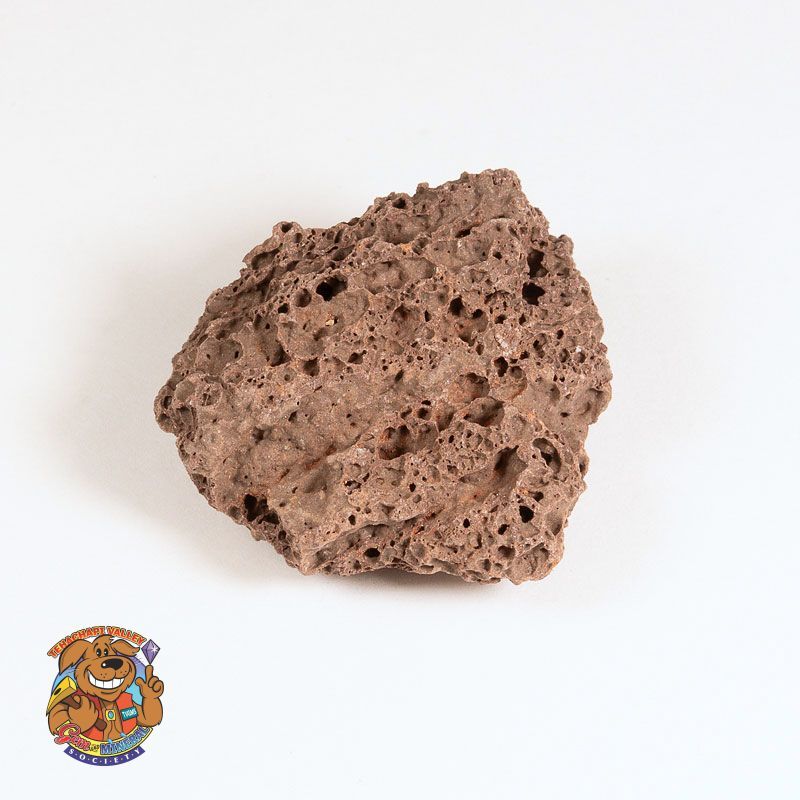
- Vesicular Texture A rock texture filled with small holes or bubbles. : During rapid eruptions, gas bubbles can become trapped within the cooling lava. This creates vesicles Small cavities or holes in a rock left by gas bubbles. (small cavities), resulting in lightweight, porous rocks like pumice A very light, frothy volcanic rock that can even float. and scoria A dark, bubbly volcanic rock. .
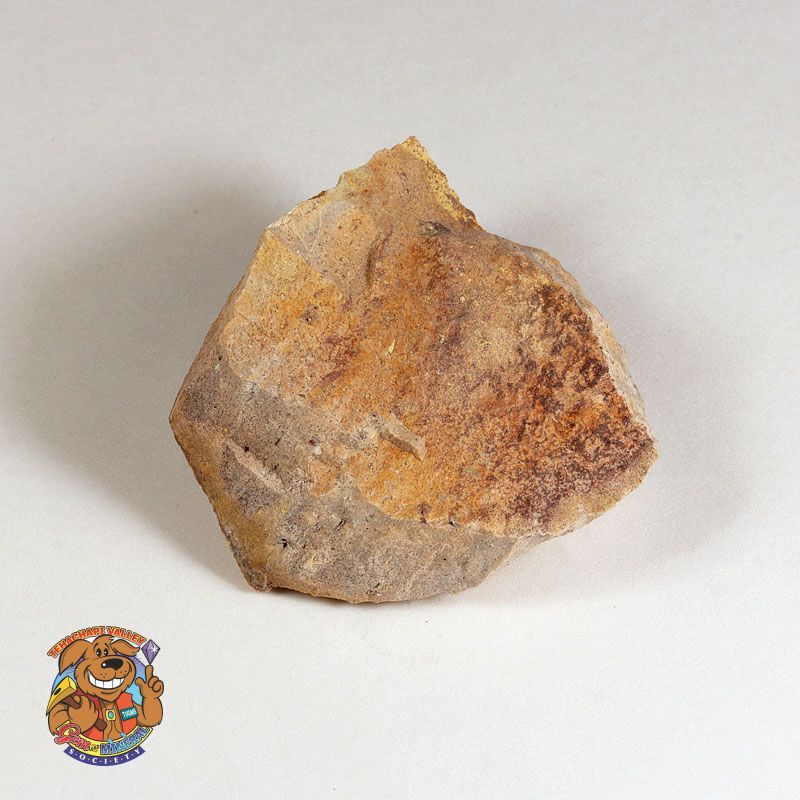
- Pyroclastic Material Fragments of rock and ash ejected during an eruption. : Violent volcanic eruptions can fragment rock and lava into various sizes. This includes volcanic ash, tuff A rock made from compacted volcanic ash. (consolidated ash), and other fragments that eventually settle and lithify into part of the Earth's crust.
By examining the crystal size, mineral composition, and presence of vesicles, geologists can reconstruct the thermal history and eruptive patterns of the volcanic events that created these rocks.