

Sedimentary Rock Information & Identification

Exploring Sedimentary Rocks: Nature’s Layers of History

What are Sedimentary Rocks?

Imagine Earth as a giant book where every page tells a story of the past. Sedimentary rocks are those pages. Unlike igneous rocks Rocks that form when hot, melted rock cools down and hardens. , which form from cooling magma Hot, liquid rock found underneath the Earth's surface. , sedimentary rocks are formed through a continuous cycle of weathering The process of breaking down rocks into smaller pieces. , erosion The movement of rock pieces by wind, water, or ice. , deposition When moved materials settle in a new location. , and lithification The process of turning loose sediment into solid rock. . These rocks are unique because they often contain fossils The preserved remains or traces of ancient life. and layers (called strata Distinct layers of sedimentary rock. ) that act as a time capsule, preserving evidence of ancient climates, oceans, and even prehistoric life.

How Do They Form? (The Process)

The journey of a sedimentary rock begins with weathering—the breaking down of existing rocks into smaller fragments called sediments Small pieces of rock, sand, or organic matter. . These fragments are transported by wind, water, or ice (erosion) and eventually settle in new locations (deposition). Over millions of years, the weight of accumulating layers squeezes the sediments together ( compaction The process of squeezing sediments together under heavy pressure. ), and minerals acting like natural glue fill the gaps ( cementation When minerals bind sediment particles together into solid rock. ). This entire process is known as lithification.

The Three Main Types

Sedimentary rocks are generally categorized into three groups based on how they are formed:

1. Clastic Rocks (The Fragments)

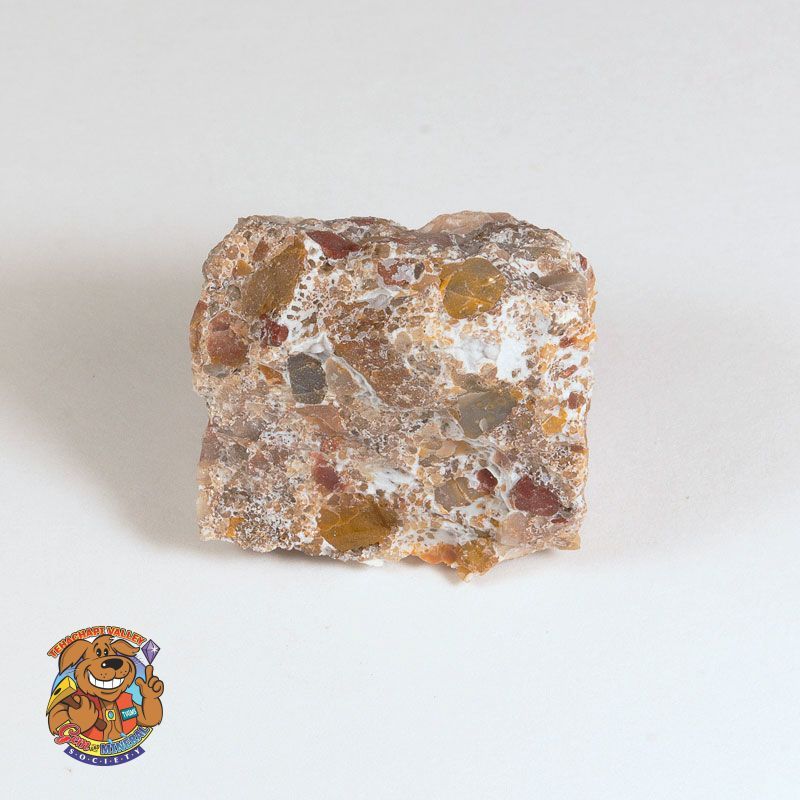
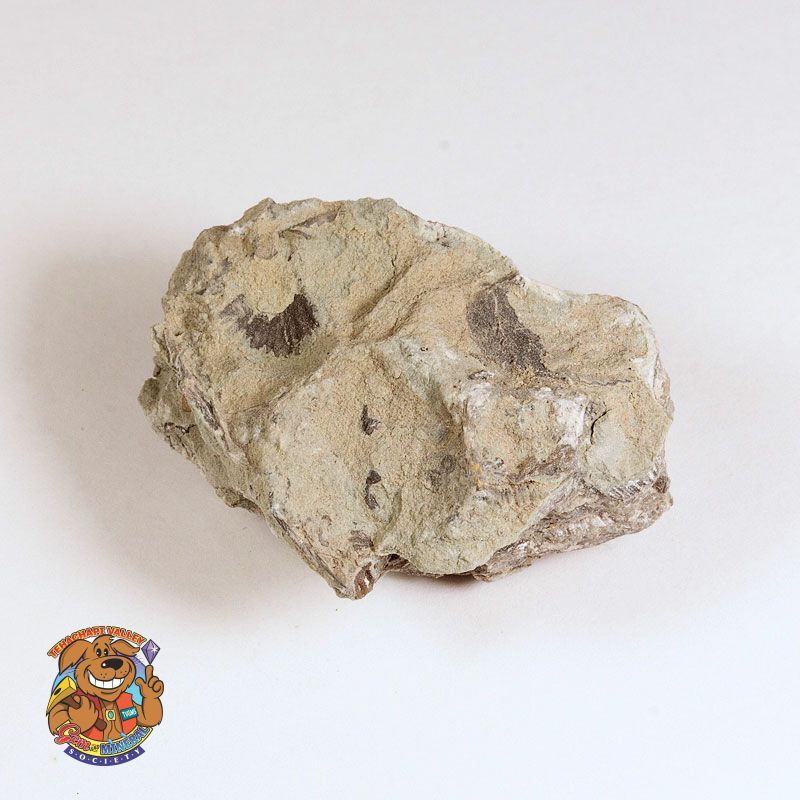
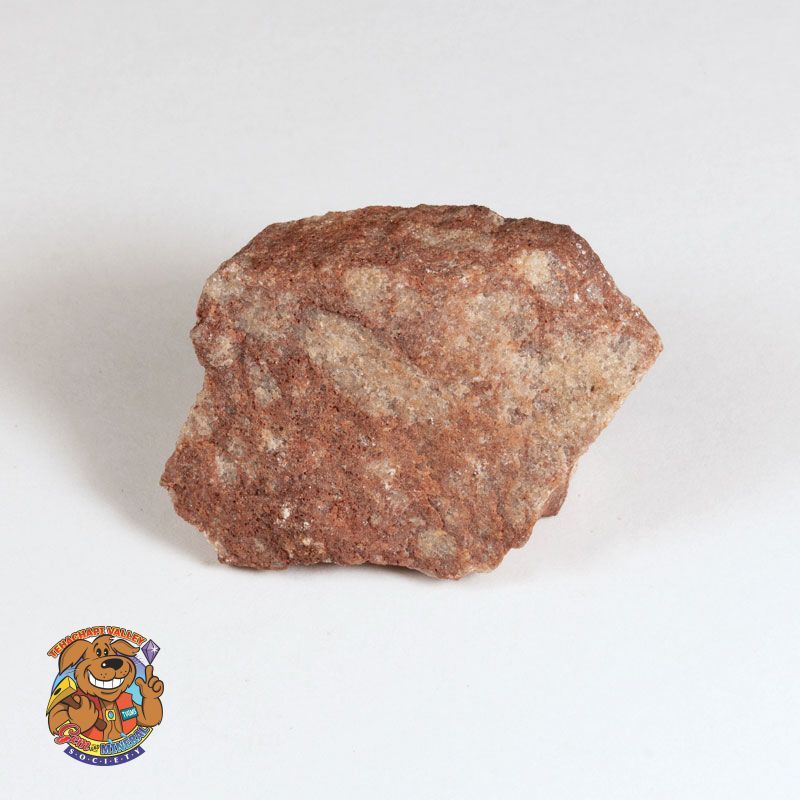
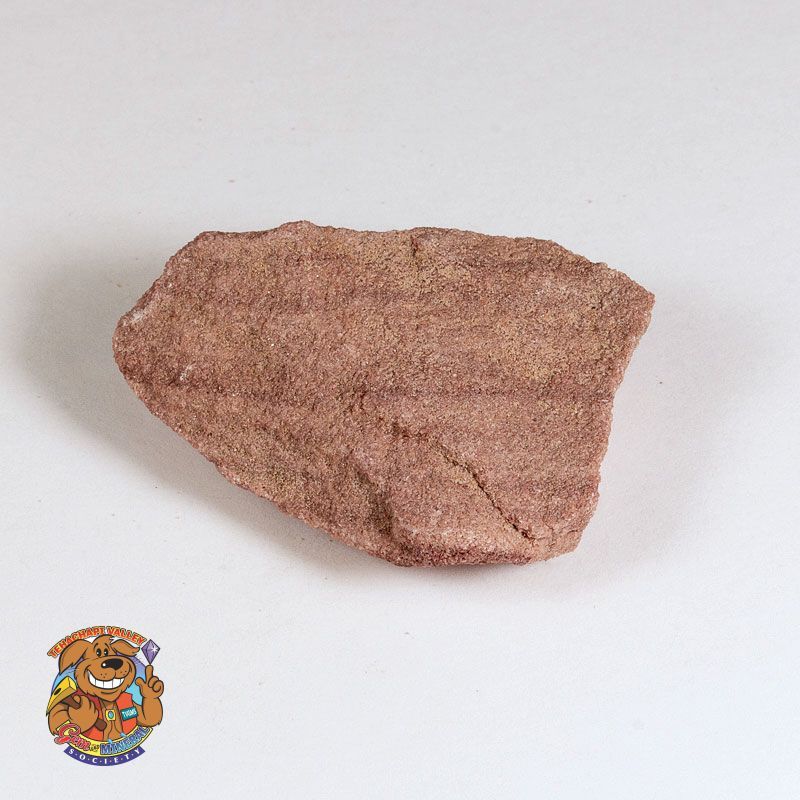
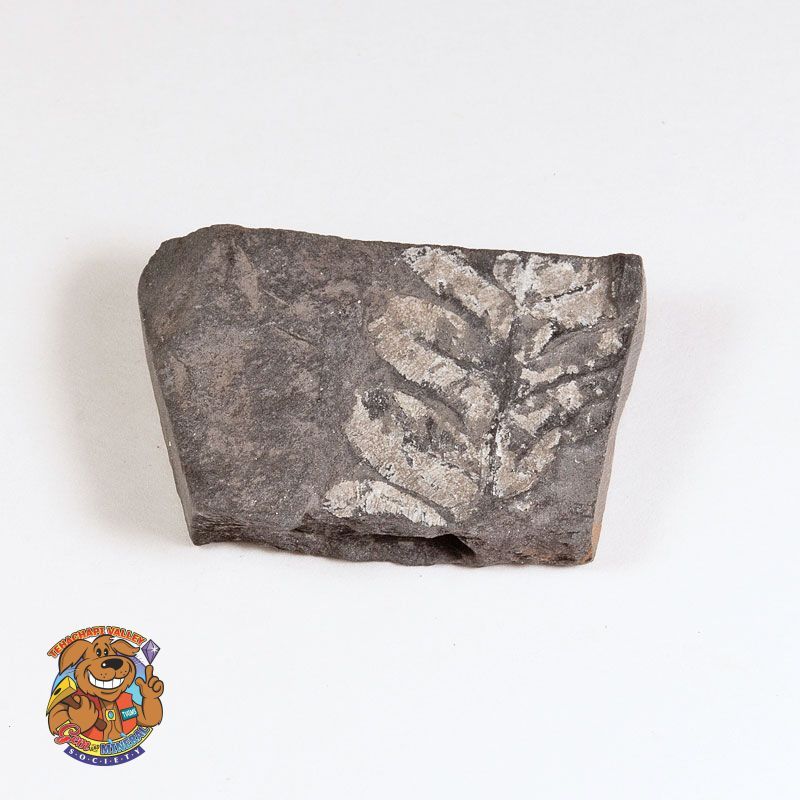
Clastic rocks are made from mechanical pieces of other rocks that have been broken off and glued back together. If the pieces are large and rounded, you might find a Quartz Pebble Conglomerate or a Mixed Pebble Conglomerate. If the fragments are sharp and angular, it is known as Breccia A type of rock made of large, sharp-edged rock fragments. . Other common examples include various types of Sandstone A rock made of small grains of sand. (such as Tar Sandstone or Argillaceous Sandstone ) and fine-grained Shale A soft, smooth rock made from very fine particles like clay. (like Carbonaceous "Paper" Shale ).

2. Chemical Rocks (The Precipitates)

These rocks form when mineral-rich water evaporates, leaving solid minerals behind. This process often happens in arid environments or ancient sea beds. Examples include Rock Salt, Rock Gypsum, and Chert. You can also find unique structures like Travertine or Calcareous Tufa, which form from the precipitation When minerals come out of a liquid solution and become solid. of calcium carbonate.

3. Biochemical & Organic Rocks (The Remains of Life)

These rocks are formed from the accumulation of organic matter, such as shells, bones, or even ancient plant debris. Because they involve biological processes, these rocks are often rich in fossils. Examples include:

  • Limestones A common sedimentary rock often made from calcium carbonate. : Ranging from Fossiliferous Limestone and Crinoidal Limestone to Oolitic Limestone.
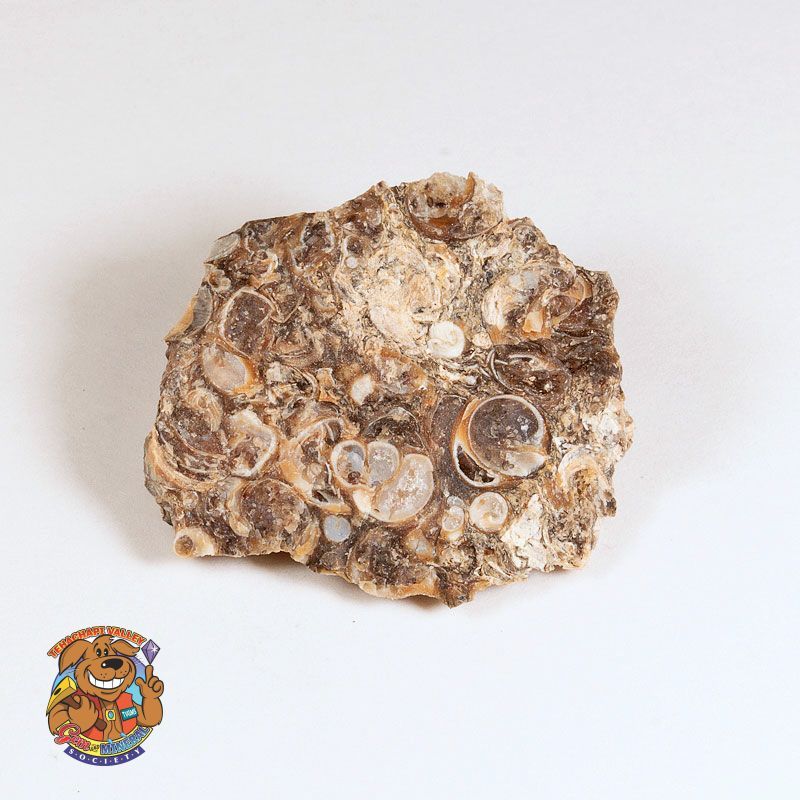
  • Biochemical Clastics: Such as Coquina (made of shell fragments) or Chalk.
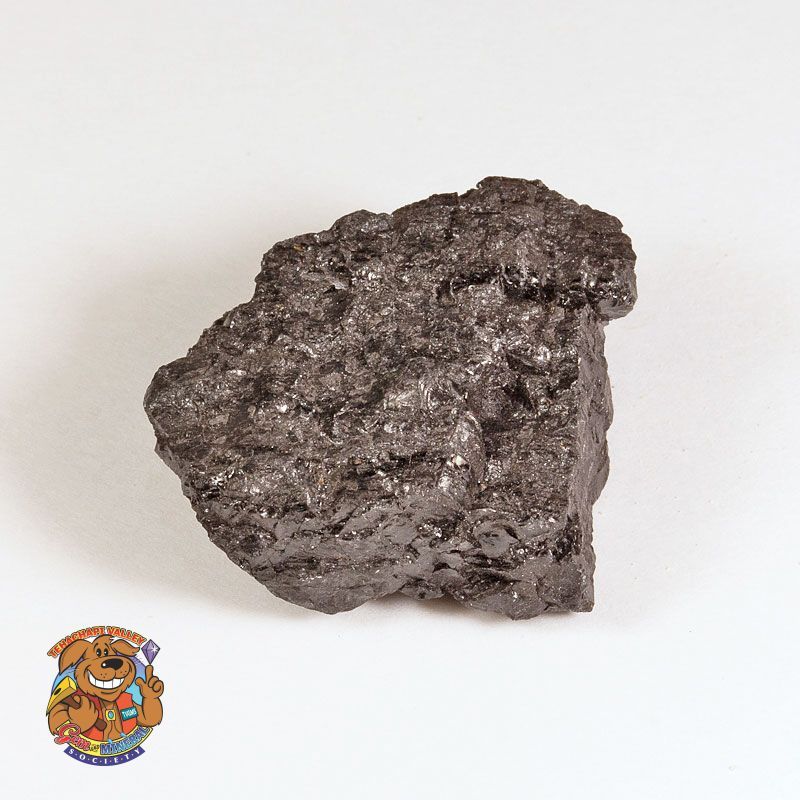
  • Organic Carbon: The most famous example is Bituminous Coal , which formed from the compressed remains of ancient swamp vegetation.
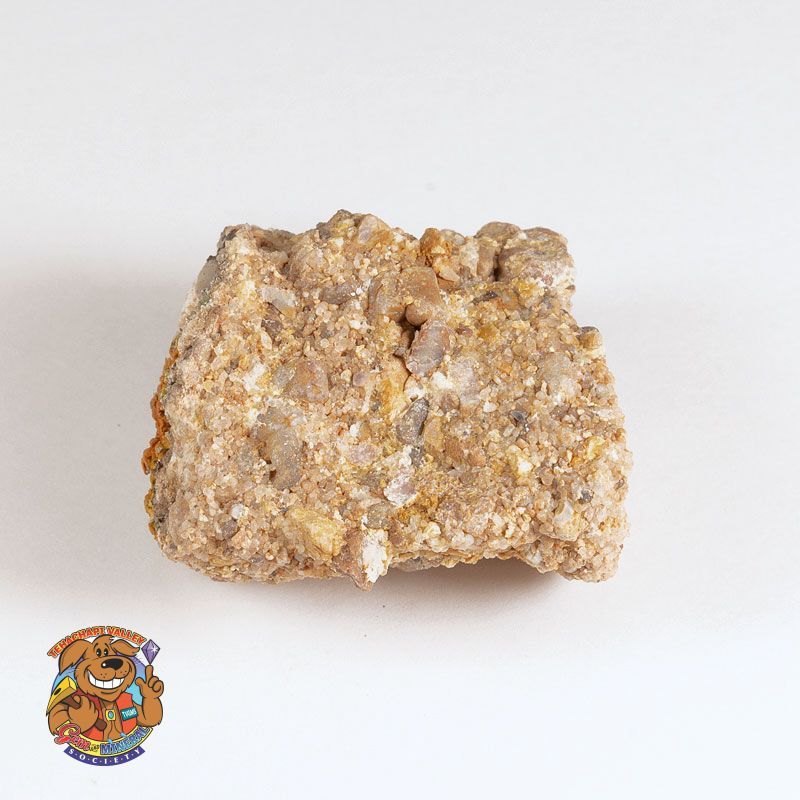
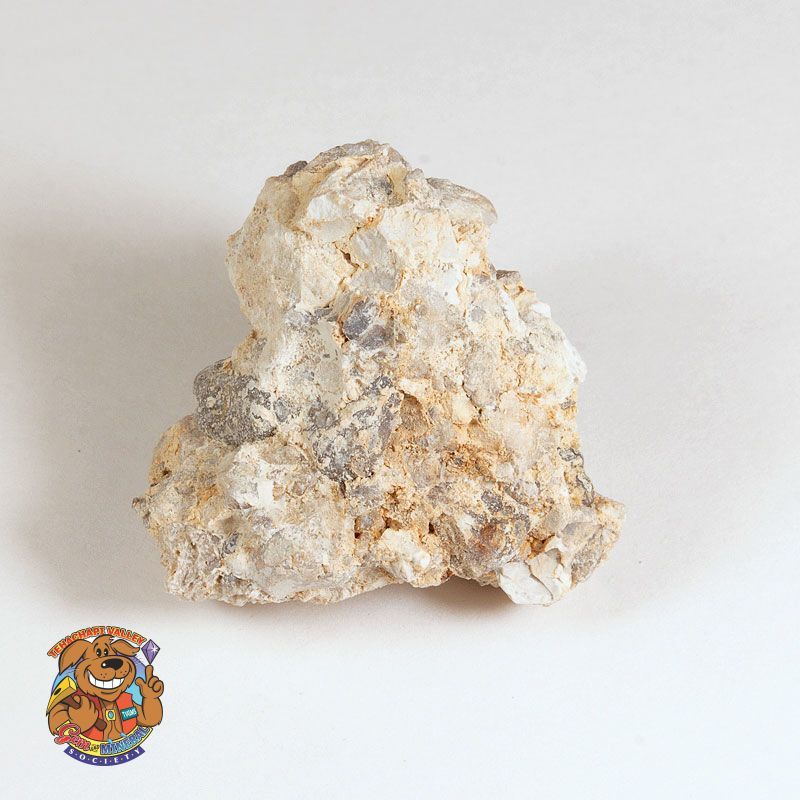
Visual Characteristics of Sedimentary Rocks


Rock Category Specific Texture Formation Process / Environment Visual/Physical Characteristics Grain / Crystal Size Common Examples
Clastic (Coarse-grained) Conglomeratic / Brecciated High-energy transport (e.g., fast-moving rivers, landslides, debris flows). Contains large, visible fragments; can be rounded (conglomerate) or angular (breccia). Large clasts (>2mm) Conglomerate, Breccia
Clastic (Medium-grained) Arenaceous Moderate energy transport (e.g., wind, beach waves, river currents). Gritty texture; individual grains are visible to the naked eye but small. Sand-sized grains Sandstone
Clastic (Fine-grained) Argillaceous / Fissile Low-energy deposition (e.g., still lakes, deep ocean, floodplains). Smooth or "muddy" appearance; often "fissile" (can split into thin, flat sheets). Microscopic / Clay-sized Shale, Mudstone, Siltstone
Chemical Crystalline / Evaporitic Precipitation from water due to evaporation or chemical changes in solution. Often shows interlocking crystals; may appear layered (evaporite beds). Variable crystal size Rock Salt (Halite), Gypsum
Biochemical / Organic Bioclastic / Fossiliferous Accumulation of organic matter or biological remains (shells, skeletons) in marine/lacustrine settings. Presence of visible fossils, shells, or dark, carbon-rich organic material. Variable (Fragmented to Microscopic) Limestone, Coal, Chalk

Can You Identify These Sedimentary Rocks?

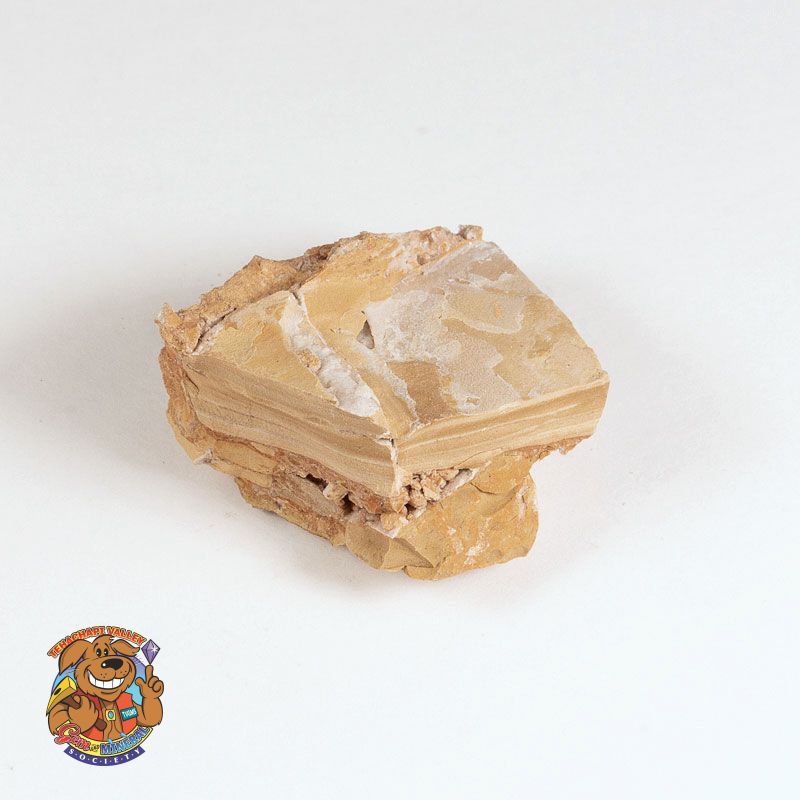
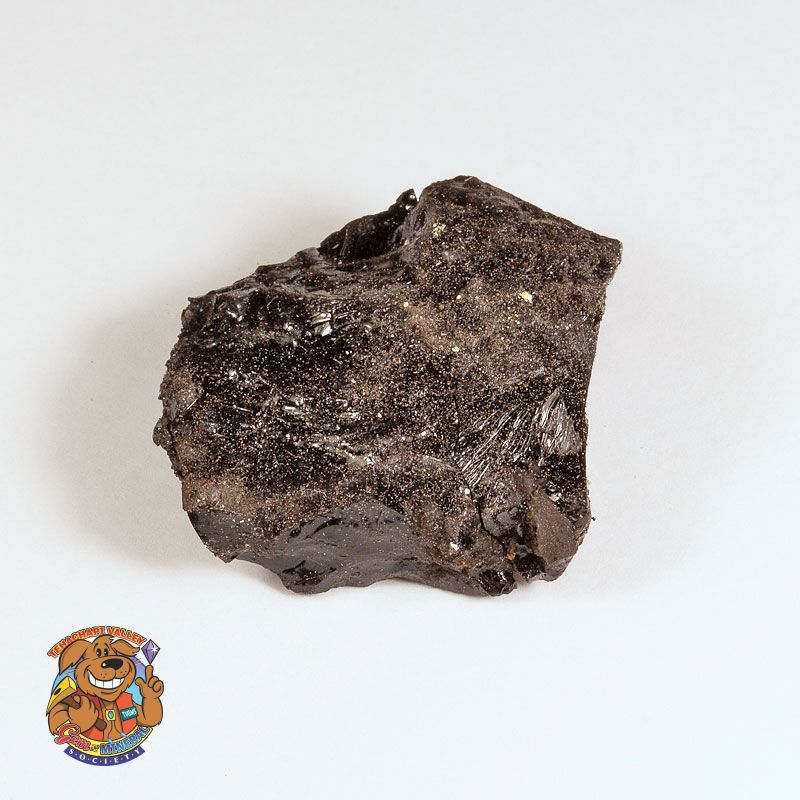
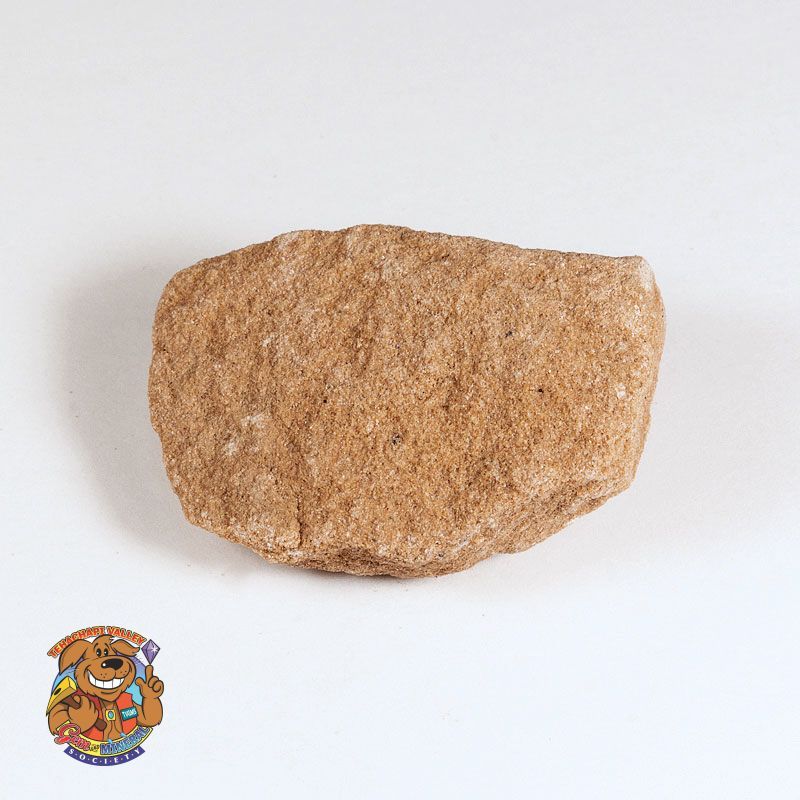
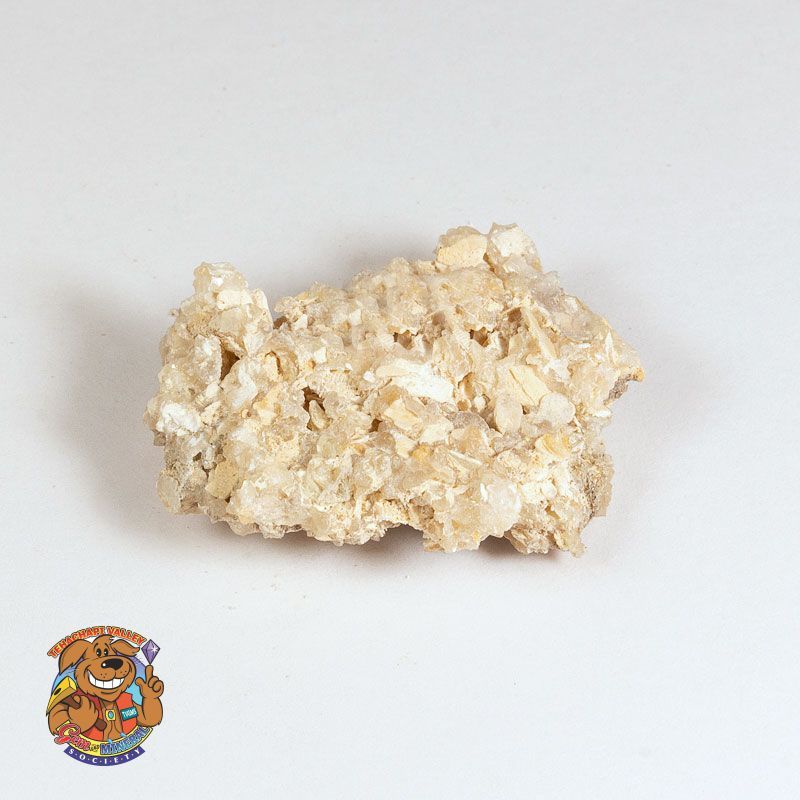
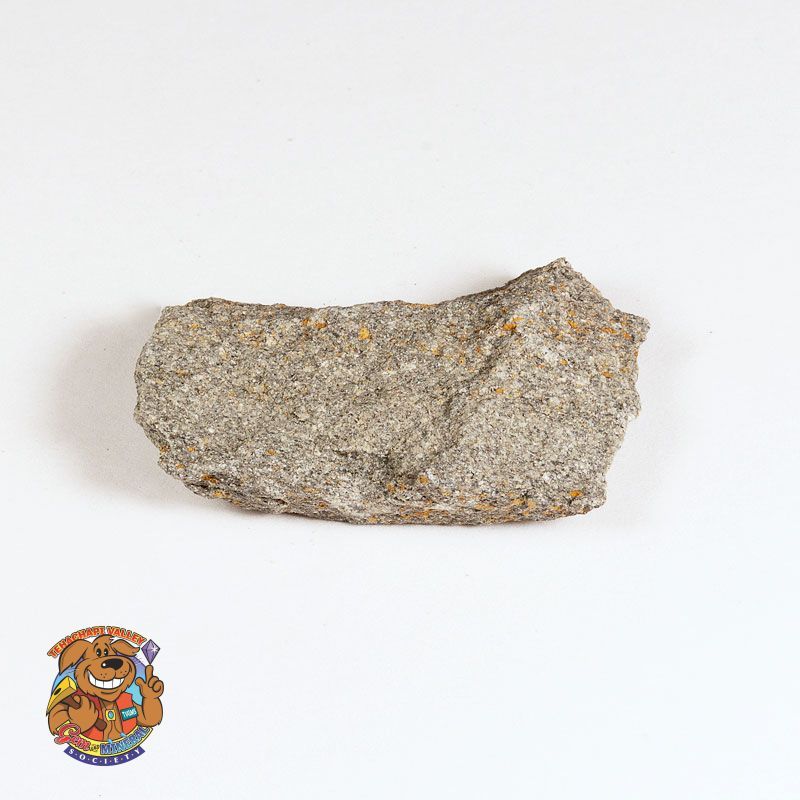
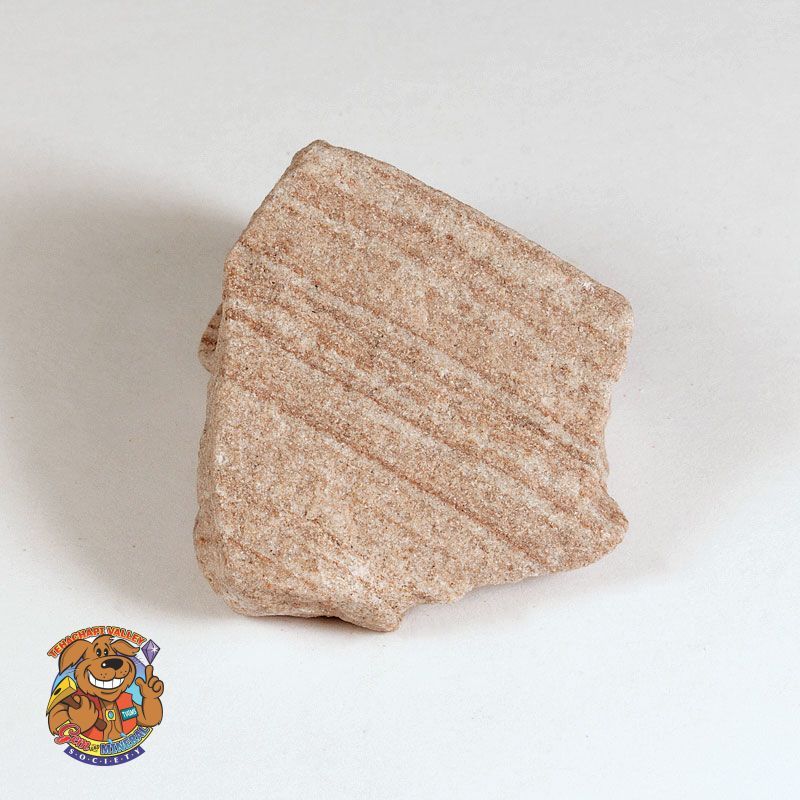
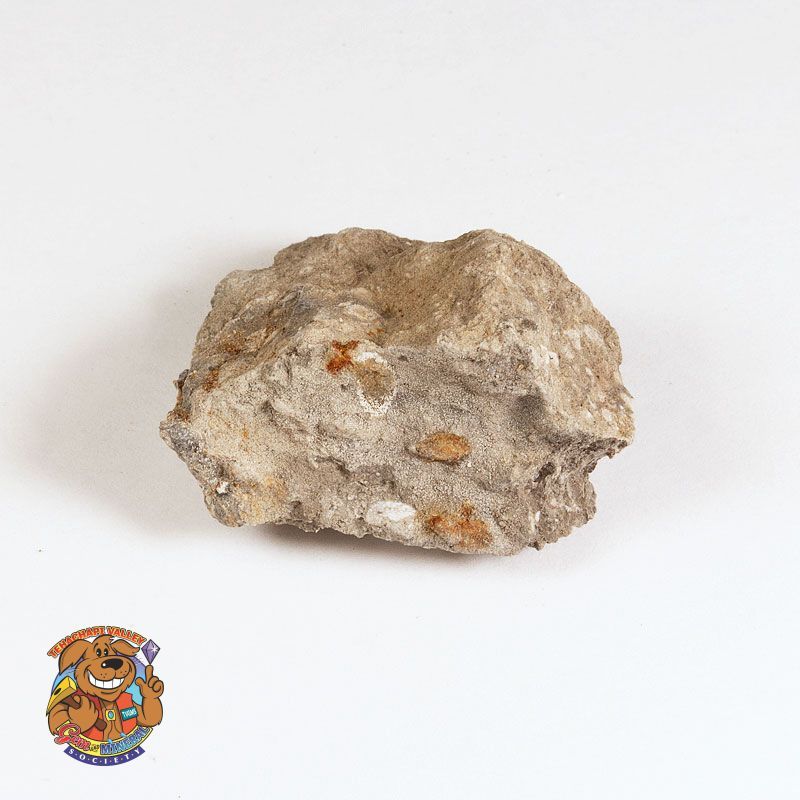
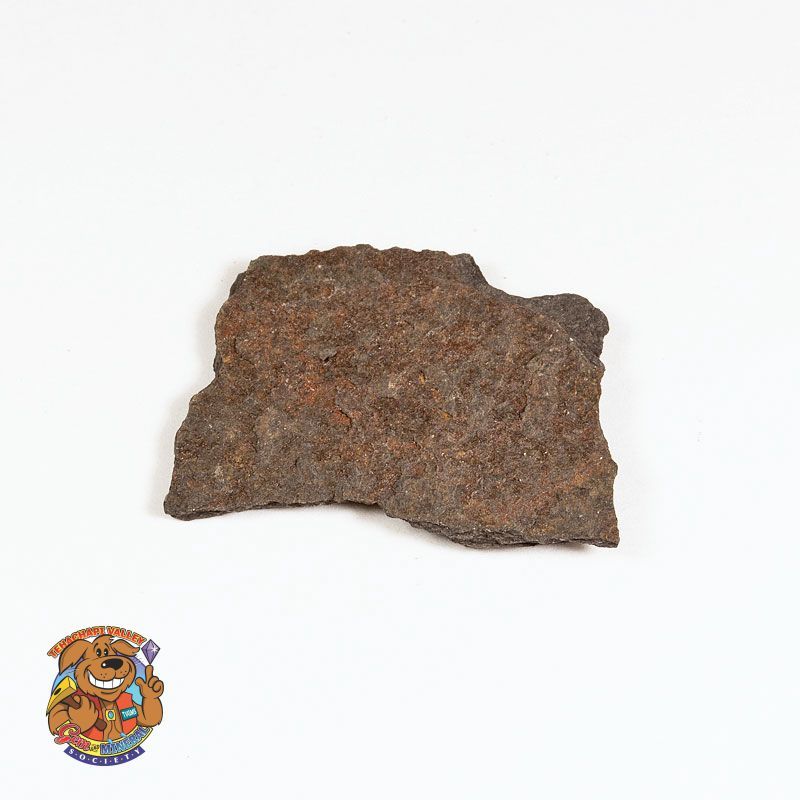
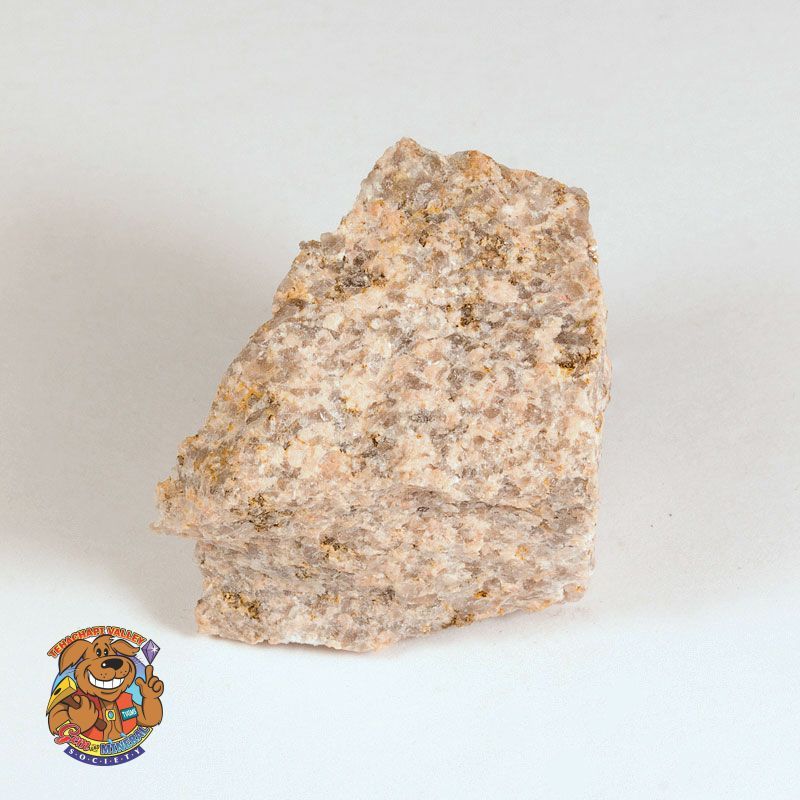
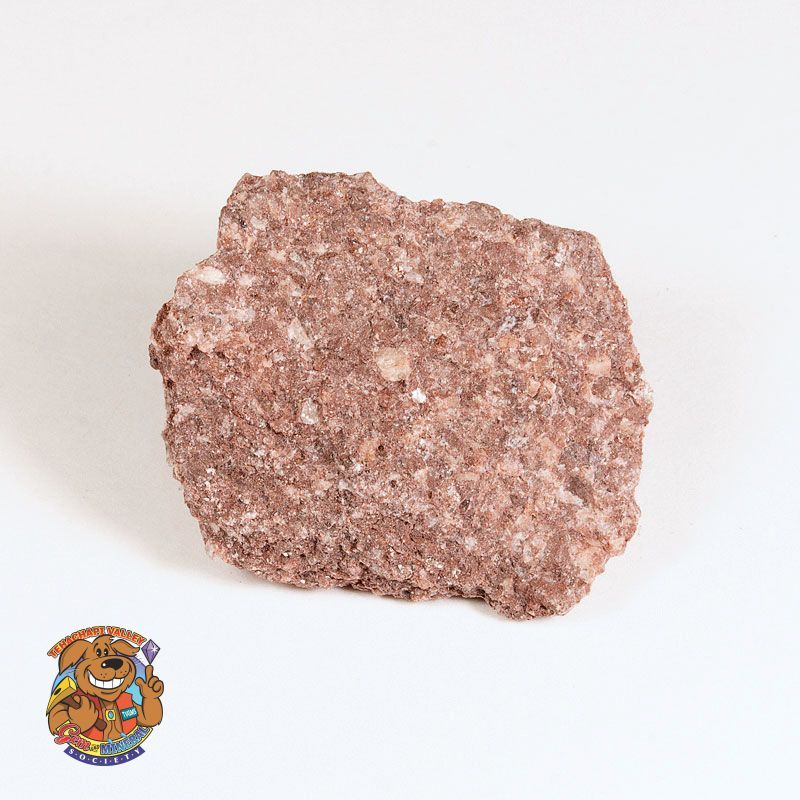
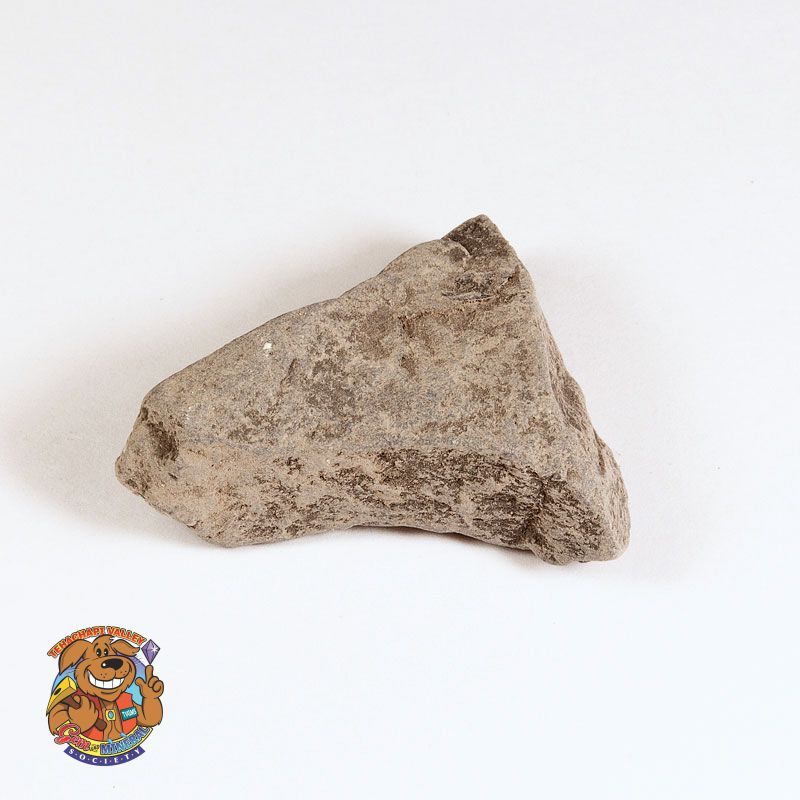
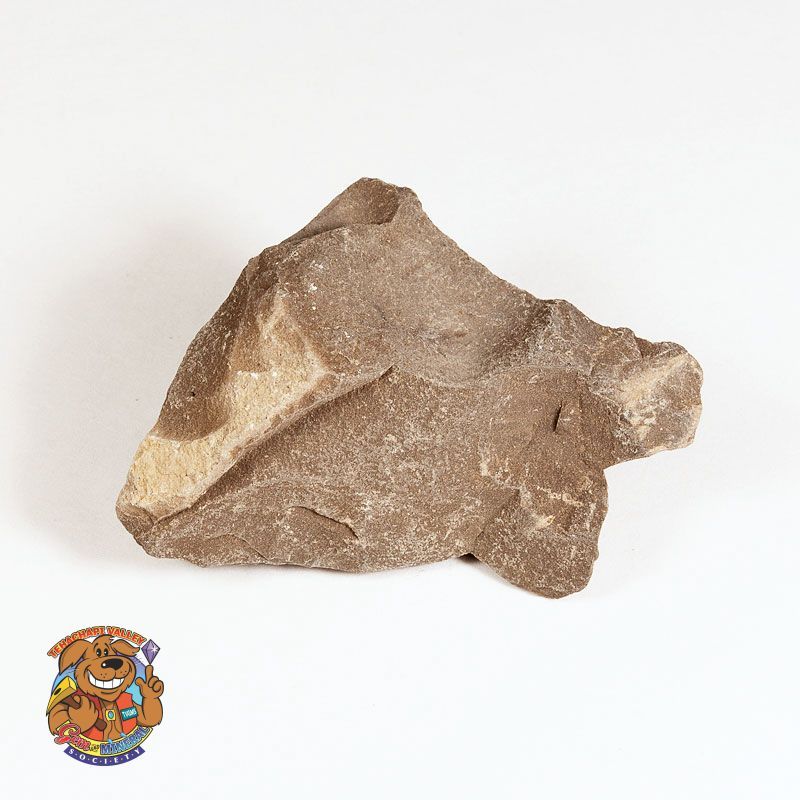
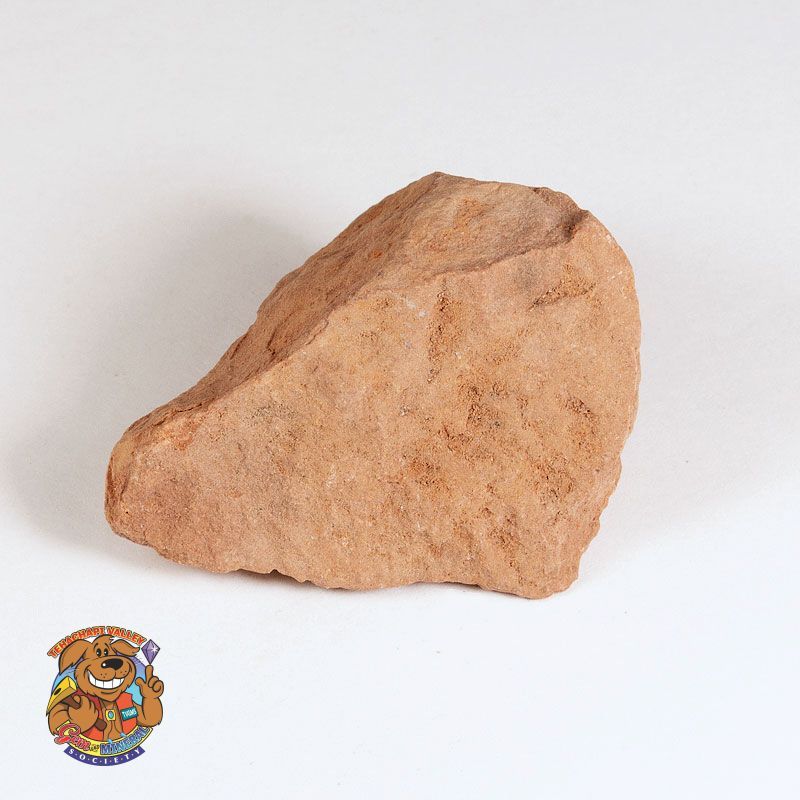
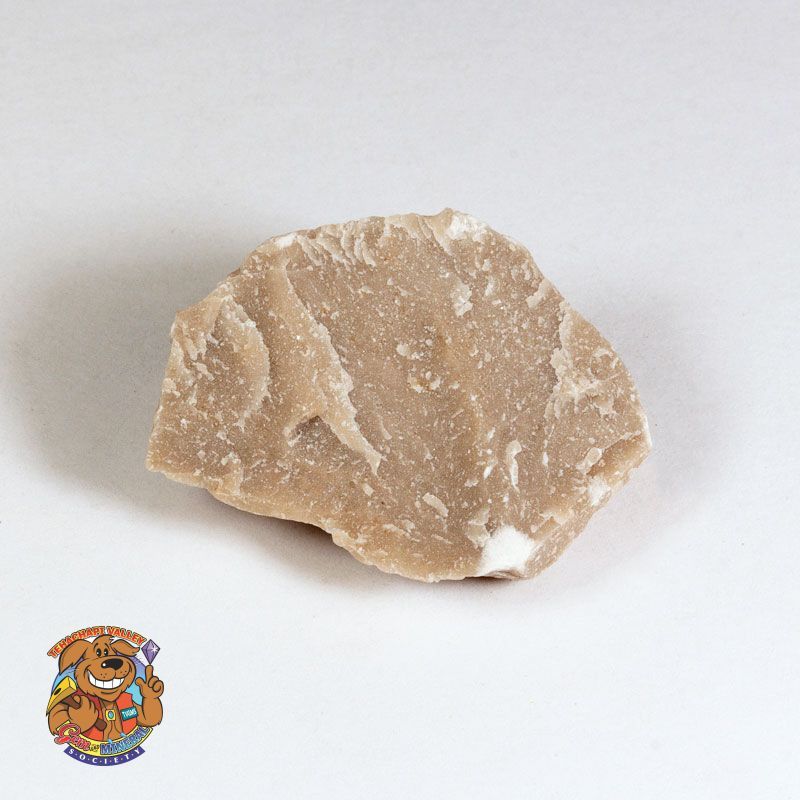
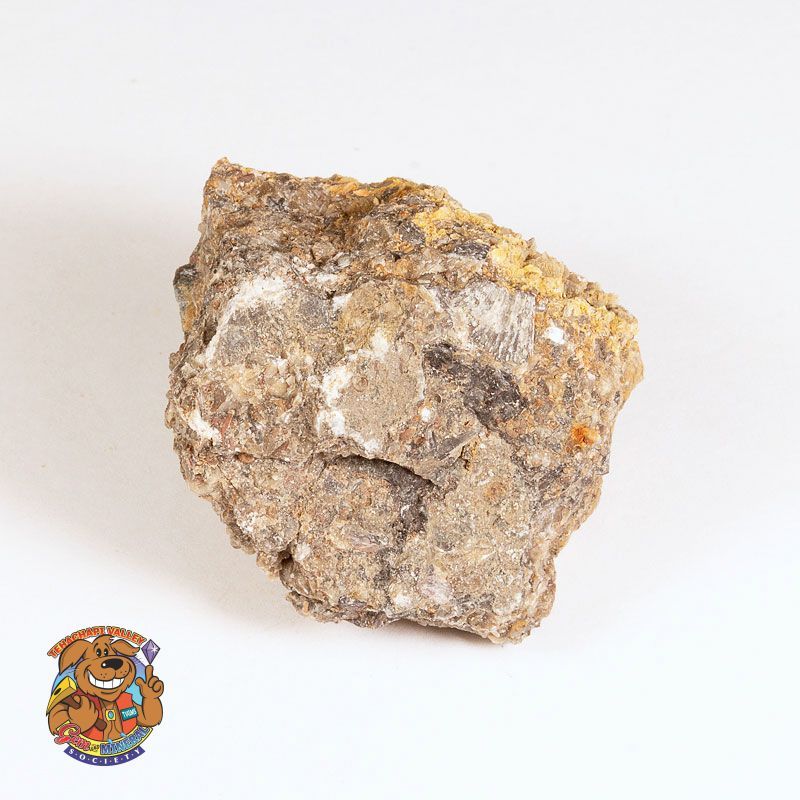
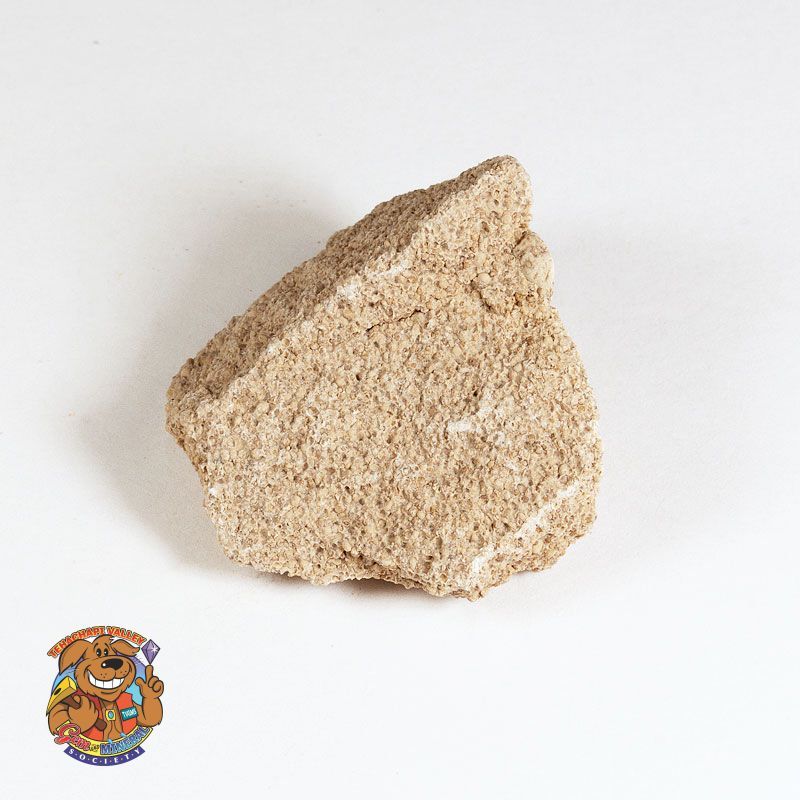
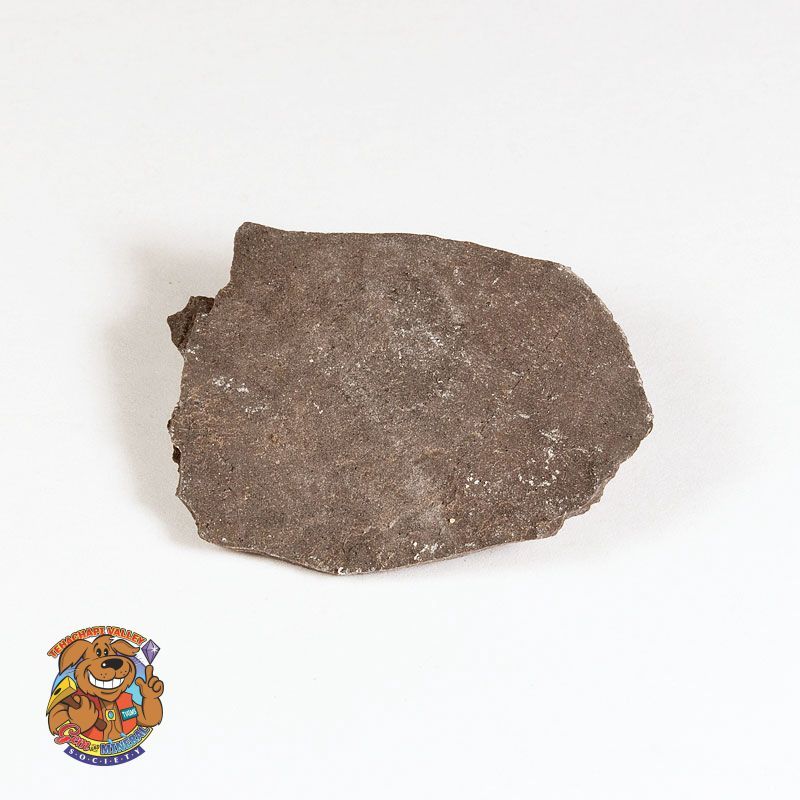
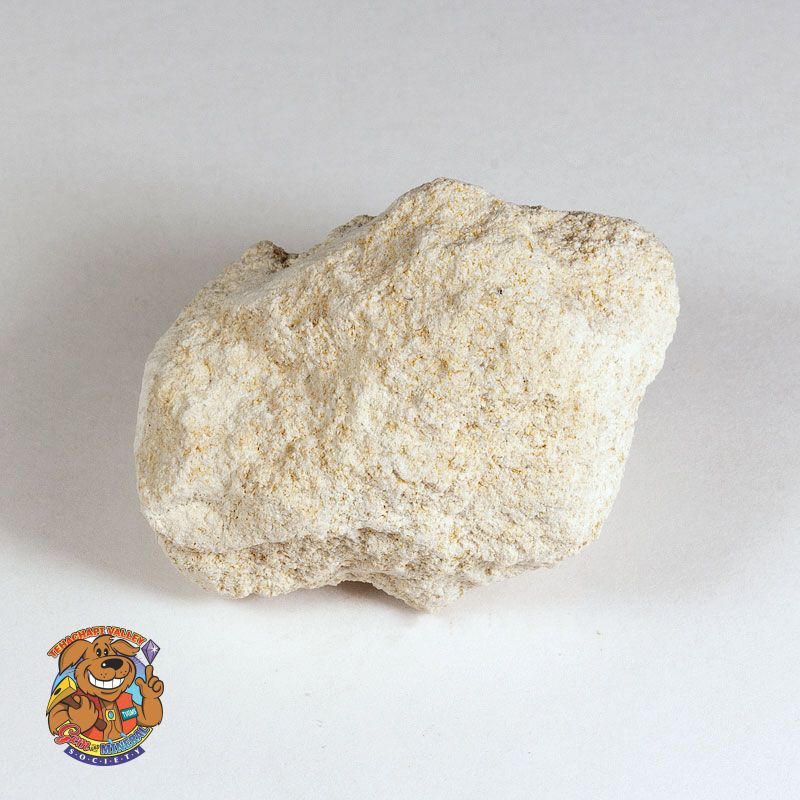
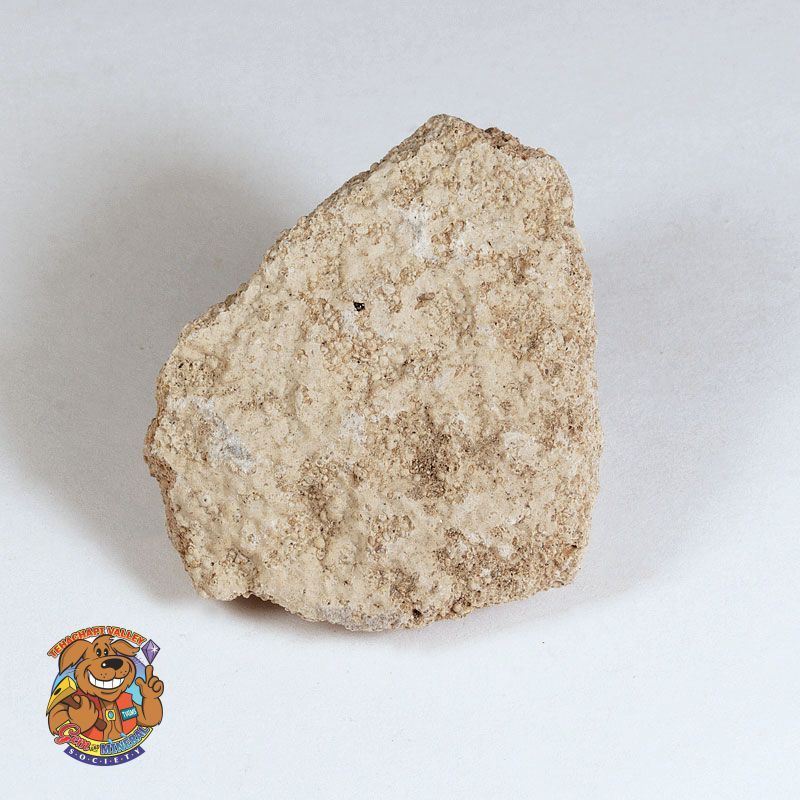
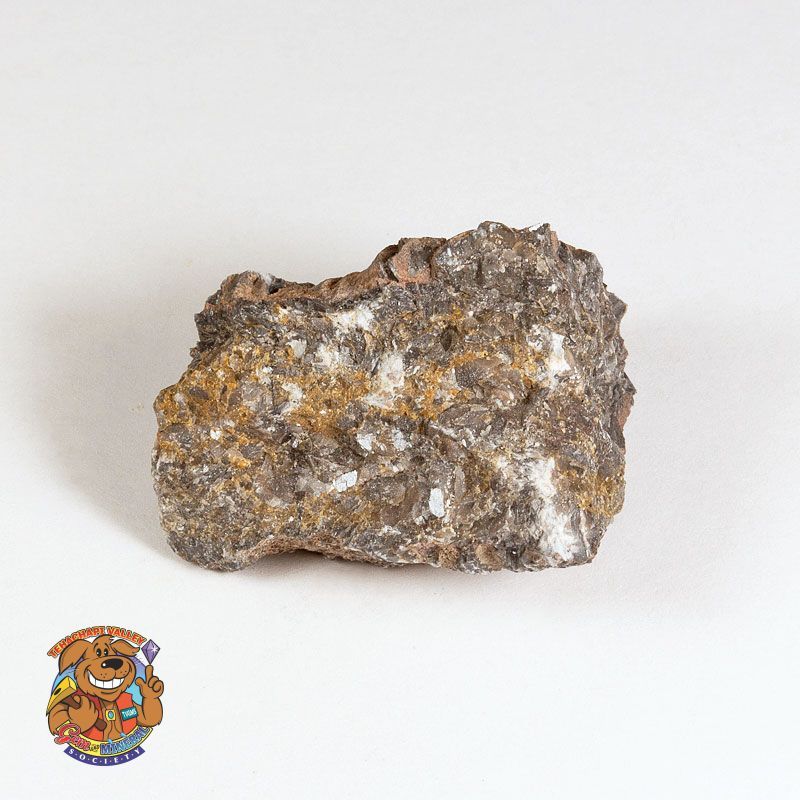
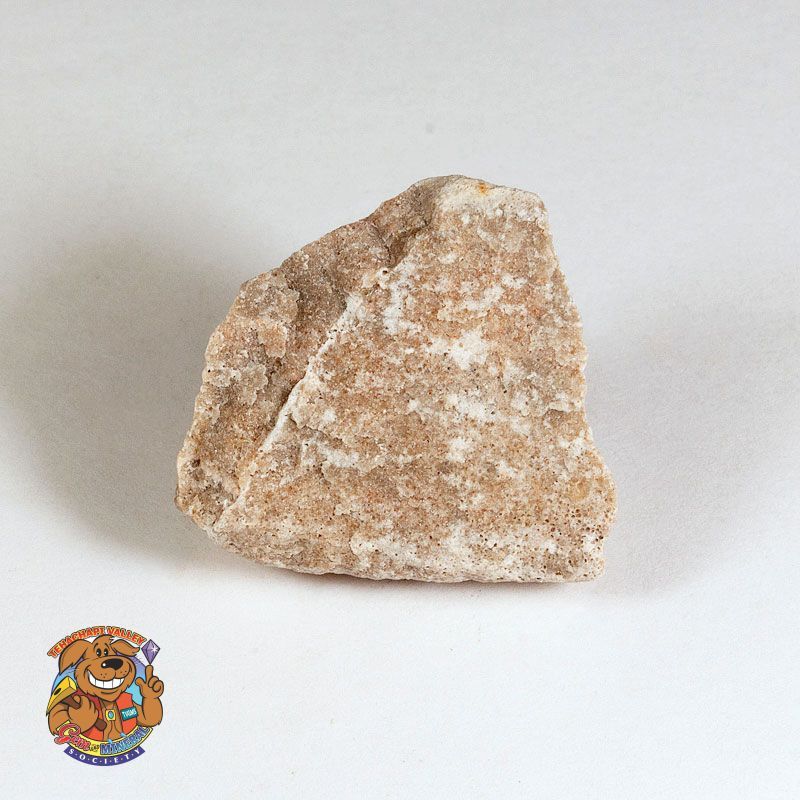
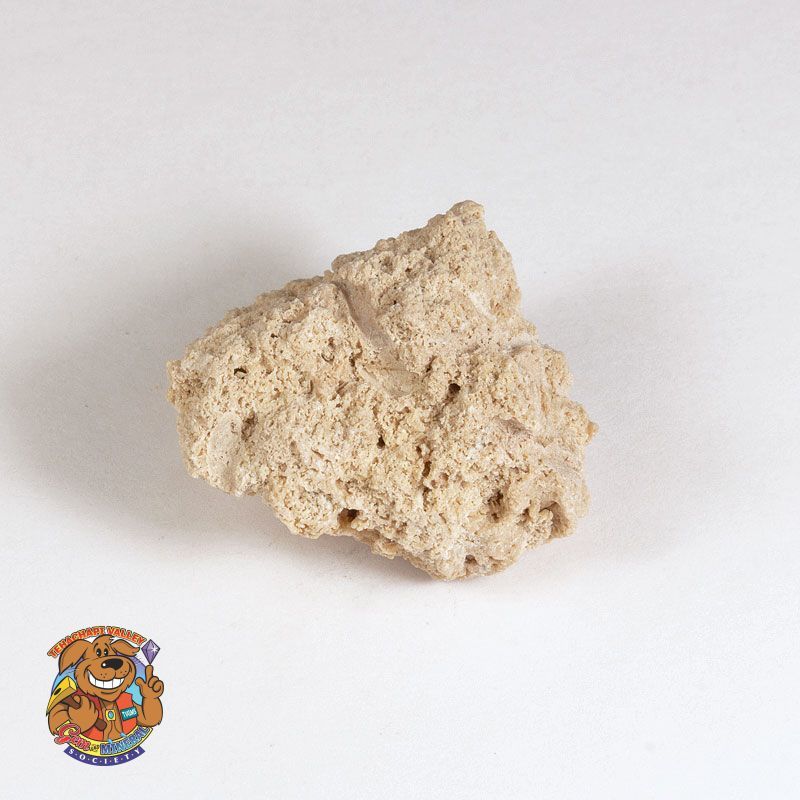
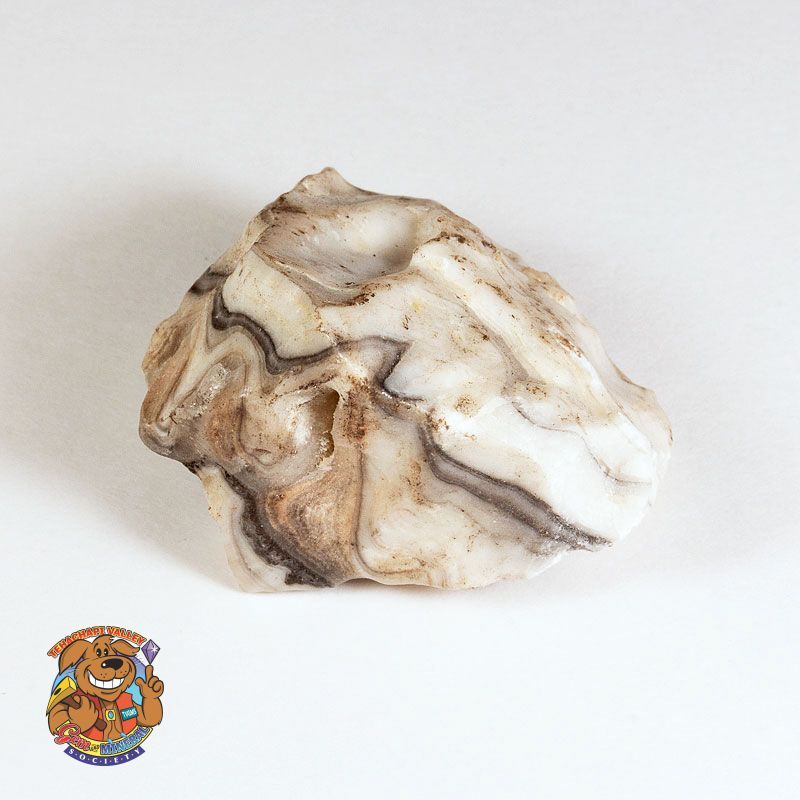
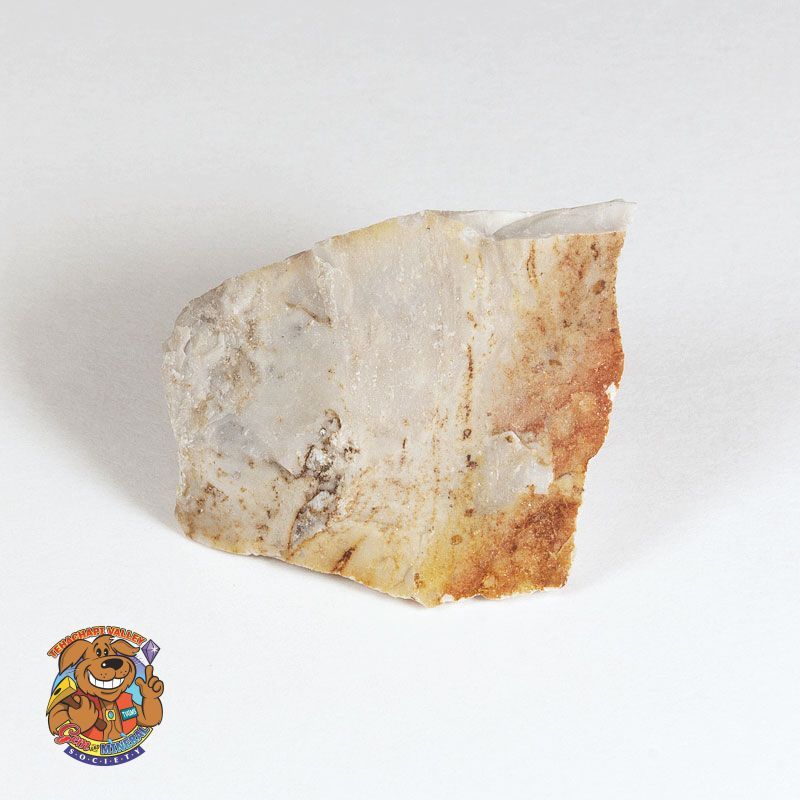
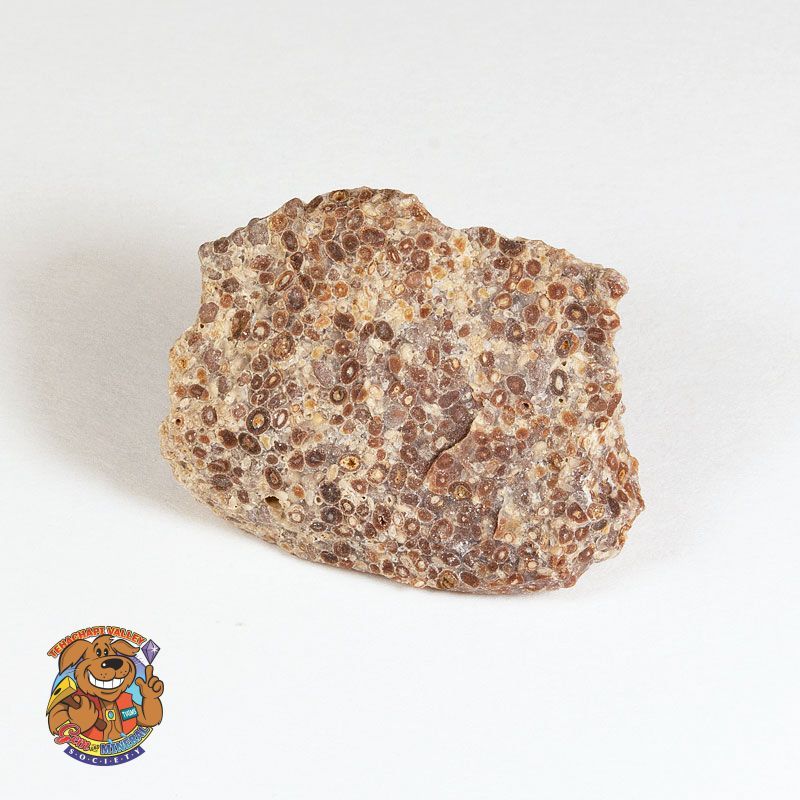
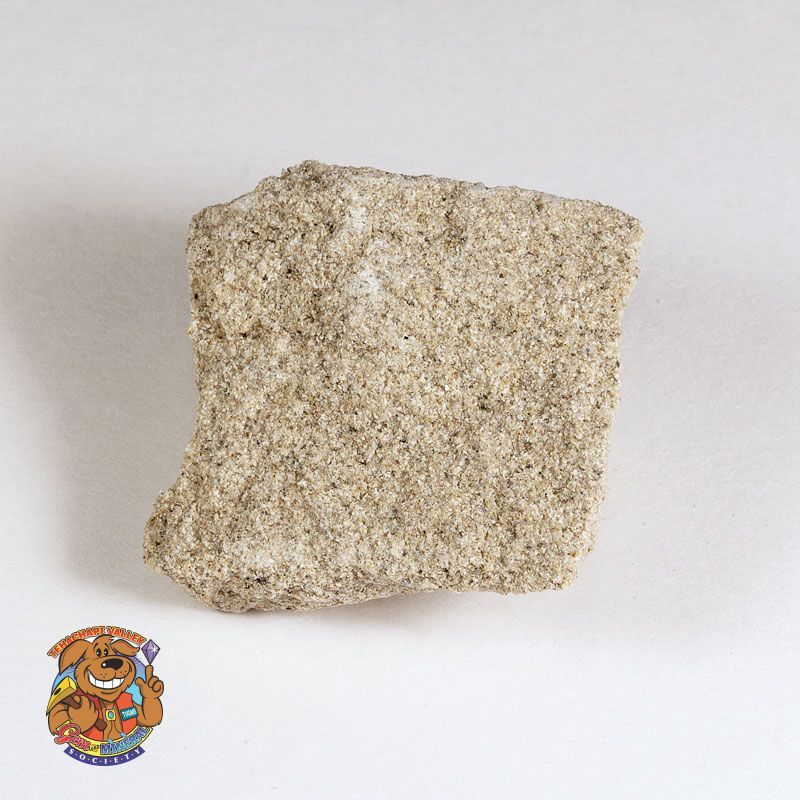
Ready to test your skills? Take our Sedimentary Rock Flip-Card Quiz! Look closely at the specimen pictured, guess the sedimentary rock, and flip the card to reveal the answer and a brief description. It’s an interactive way to turn reading into active learning!

MIXED PEBBLE CONGLOMERATE

MIXED PEBBLE CONGLOMERATE

Specimen #: 31

Location: Larimer Co., Colorado

Rock Type: Sedimentary

Description: A sedimentary rock composed of various rounded pebbles.

QUARTZ PEBBLE CONGLOMERATE

QUARTZ PEBBLE CONGLOMERATE

Specimen #: 32

Location: Jackson Co., Colorado

Rock Type: Sedimentary

Description: A conglomerate dominated by rounded quartz fragments.

JASPER CONGLOMERATE

JASPER CONGLOMERATE

Specimen #: 33

Location: Pennington Co., South Dakota

Rock Type: Sedimentary

Description: A sedimentary rock containing smooth, colorful jasper pebbles.

FOSSIL CLAY LIMESTONE

FOSSIL CLAY LIMESTONE

Specimen #: 34

Location: Franklin Co., Indiana

Rock Type: Sedimentary

Description: A lime-rich rock containing visible organic impressions.

BRECCIA CHERT

BRECCIA CHERT

Specimen #: 35

Location: Oklahoma

Rock Type: Sedimentary

Description: This microcrystalline silica rock is composed of angular fragments embedded in a fine-grained matrix.

FOSSILIFEROUS CHERT

FOSSILIFEROUS CHERT

Specimen #: 36

Location: Wamsutter, Wyoming

Rock Type: Sedimentary

Description: Microcrystalline silica containing embedded fossils.

BRECCIA

BRECCIA

Specimen #: 37

Location: Shackelford Co., Texas

Rock Type: Sedimentary

Description: A sedimentary rock composed of angular fragments.

TAR SANDSTONE

TAR SANDSTONE

Specimen #: 38

Location: Saskatchewan, Canada

Rock Type: Sedimentary

Description: Sandstone containing heavy deposits of bitumen or tar.

FERRUGINOUS SANDSTONE

FERRUGINOUS SANDSTONE

Specimen #: 39

Location: Larimer Co., Colorado

Rock Type: Sedimentary

Description: Sandstone containing high amounts of iron oxides.

COQUINA

COQUINA

Specimen #: 40

Location: Jacksonville, Florida

Rock Type: Sedimentary

Description: A sedimentary rock composed primarily of shell fragments.

BANDED FERRUGINOUS SANDSTONE

BANDED FERRUGINOUS SANDSTONE

Specimen #: 41

Location: Guernsey, Wyoming

Rock Type: Sedimentary

Description: Sandstone with visible layers of iron-rich minerals.

ARGILLACEOUS SANDSTONE

ARGILLACEOUS SANDSTONE

Specimen #: 42

Location: Larimer Co., Colorado

Rock Type: Sedimentary

Description: Sandstone containing a significant amount of clay.

BANDED SANDSTONE

BANDED SANDSTONE

Specimen #: 43

Location: New Mexico

Rock Type: Sedimentary

Description: This sedimentary rock displays distinct, alternating layers of varying mineral composition or grain size.

FOSSILIFEROUS CHERT

FOSSILIFEROUS CHERT

Specimen #: 44

Location: Iowa

Rock Type: Sedimentary

Description: A hard, silica-rich rock containing fossilized remains.

CARBONACEOUS

CARBONACEOUS "PAPER" SHALE

Specimen #: 45

Location: Missouri

Rock Type: Sedimentary

Description: Extremely thin, dark shale rich in organic carbon.

ARKOSIC CONGLOMERATE

ARKOSIC CONGLOMERATE

Specimen #: 46

Location: Colorado

Rock Type: Sedimentary

Description: This sedimentary rock consists of rounded clasts containing a high proportion of feldspar.

ARKOSE

ARKOSE

Specimen #: 47

Location: Boulder Co., Colorado

Rock Type: Sedimentary

Description: A coarse-grained sandstone rich in feldspar.

CALCAREOUS SHALE

CALCAREOUS SHALE

Specimen #: 48

Location: Larimer Co., Colorado

Rock Type: Sedimentary

Description: A fine-grained shale containing calcium carbonate.

CARBONACEOUS FOSSIL SHALE

CARBONACEOUS FOSSIL SHALE

Specimen #: 49

Location: Pennsylvania

Rock Type: Sedimentary

Description: Dark, organic-rich shale containing fossil fragments.

OIL SHALE (MARLSTONE)

OIL SHALE (MARLSTONE)

Specimen #: 50

Location: Rifle, Colorado

Rock Type: Sedimentary

Description: A fine-grained sedimentary rock containing kerogen.

FERRUGINOUS CLAYSTONE

FERRUGINOUS CLAYSTONE

Specimen #: 51

Location: Larimer Co., Colorado

Rock Type: Sedimentary

Description: A clay-rich rock containing iron oxides.


LIMESTONE (MICRITE)

LIMESTONE (MICRITE)

Specimen #: 52

Location: Larimer Co., Colorado

Rock Type: Sedimentary

Description: A fine-grained, microcrystalline limestone.

FOSSIL LIMESTONE (BIOSPARITE)

FOSSIL LIMESTONE (BIOSPARITE)

Specimen #: 53

Location: Missouri

Rock Type: Sedimentary

Description: Limestone composed of biological skeletal fragments.

OOLITIC LIMESTONE

OOLITIC LIMESTONE

Specimen #: 54

Location: Red Desert, Wyoming

Rock Type: Sedimentary

Description: Limestone containing small, spherical ooids.

ARGILLACEOUS LIMESTONE

ARGILLACEOUS LIMESTONE

Specimen #: 55

Location: New Mexico

Rock Type: Sedimentary

Description: This carbonate sedimentary rock contains a significant amount of clay-sized particles.

FOSSIL LIMESTONE (BIOMICRITE)

FOSSIL LIMESTONE (BIOMICRITE)

Specimen #: 56

Location: Austin, Texas

Rock Type: Sedimentary

Description: A fine-grained limestone of biological origin.

FOSSIL OOLITIC LIMESTONE

FOSSIL OOLITIC LIMESTONE

Specimen #: 57

Location: Tipton, Wyoming

Rock Type: Sedimentary

Description: A combination of ooids and fossilized organic material.

CRINOIDAL LIMESTONE

CRINOIDAL LIMESTONE

Specimen #: 58

Location: Pecos, New Mexico

Rock Type: Sedimentary

Description: Limestone rich in crinoid stem fragments.

DOLOMITIC LIMESTONE

DOLOMITIC LIMESTONE

Specimen #: 59

Location: Larimer Co., Colorado

Rock Type: Sedimentary

Description: A sedimentary rock consisting of a mixture of the minerals calcite and dolomite.

CALCAREOUS TUFA

CALCAREOUS TUFA

Specimen #: 60

Location: Hot Springs, South Dakota

Rock Type: Sedimentary

Description: A porous limestone formed by calcium carbonate precipitation.
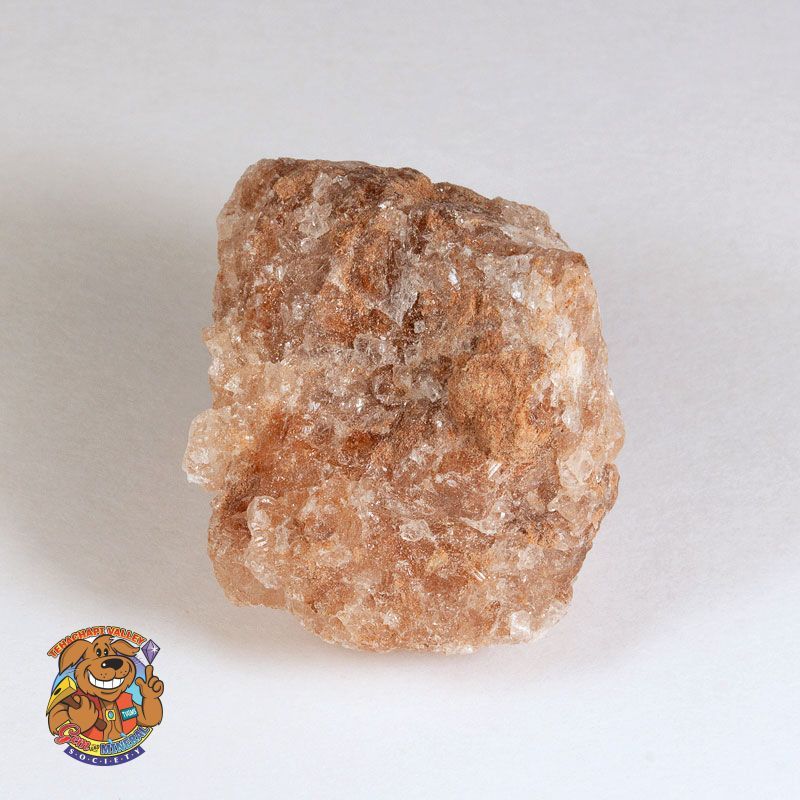
TRAVERTINE

TRAVERTINE

Specimen #: 61

Location: Jay-em, Wyoming

Rock Type: Sedimentary

Description: A form of limestone deposited by mineral springs.

CHERT

CHERT

Specimen #: 62

Location: Kansas City, Missouri

Rock Type: Sedimentary

Description: A hard, fine-grained sedimentary rock made of silica.

ROCK SALT

ROCK SALT

Specimen #: 63

Location: Redmond, Utah

Rock Type: Sedimentary

Description: An evaporite mineral composed of halite.

ROCK GYPSUM

ROCK GYPSUM

Specimen #: 64

Location: Larimer Co., Colorado

Rock Type: Sedimentary

Description: A soft sulfate mineral formed by evaporation.
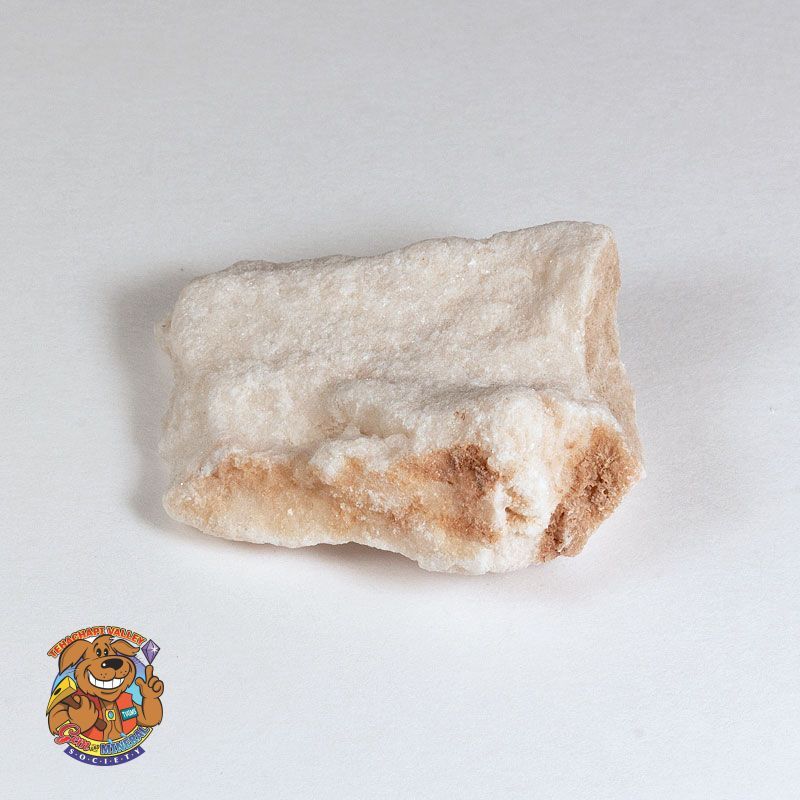
SILICEOUS OOLITE

SILICEOUS OOLITE

Specimen #: 65

Location: Wamsutter, Wyoming

Rock Type: Sedimentary

Description: An oolitic rock with high silica content.
C. CALCAREOUS OOLITE

C. CALCAREOUS OOLITE

Specimen #: 66

Location: Kentucky

Rock Type: Sedimentary

Description: A fine-grained carbonate rock with small ooids.

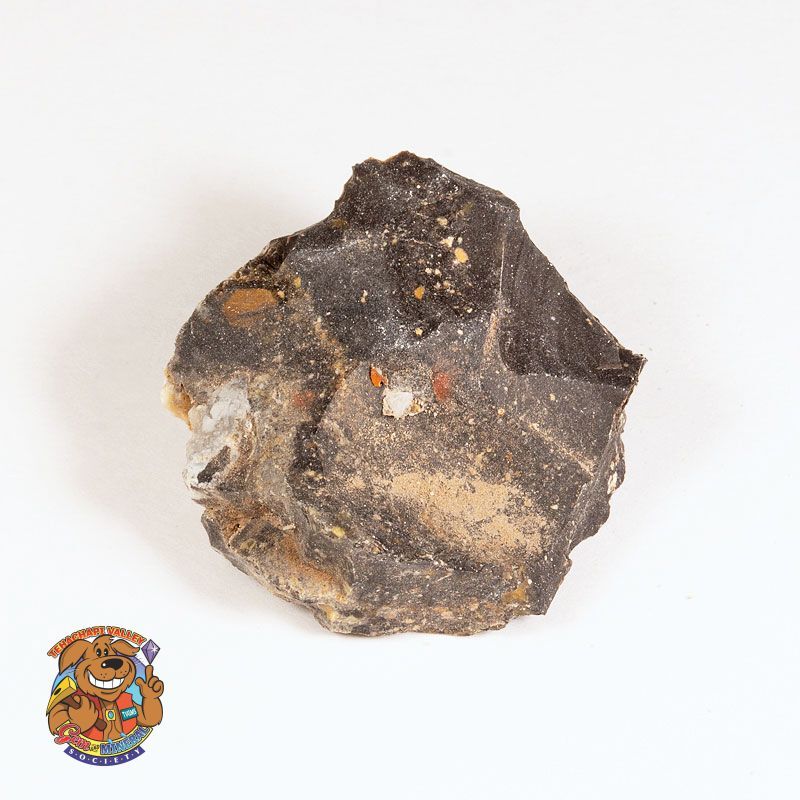
CHERT/FLINT

CHERT/FLINT

Specimen #: 67

Location: W. Virginia

Rock Type: Sedimentary

Description: A hard, cryptocrystalline form of silica.

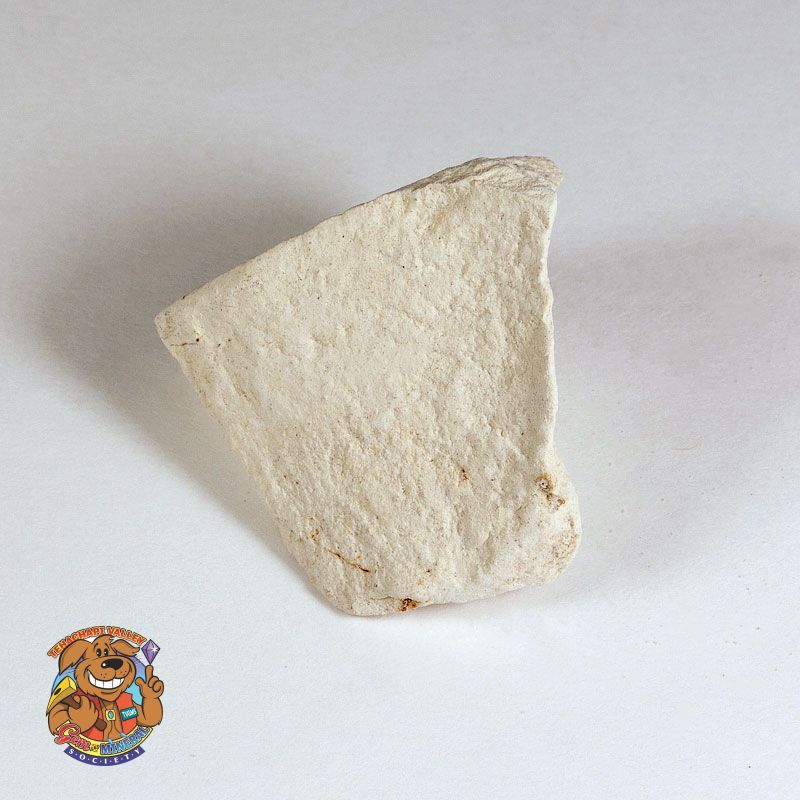
CHALK

CHALK

Specimen #: 68

Location: Kansas

Rock Type: Sedimentary

Description: A soft, white, porous form of limestone.

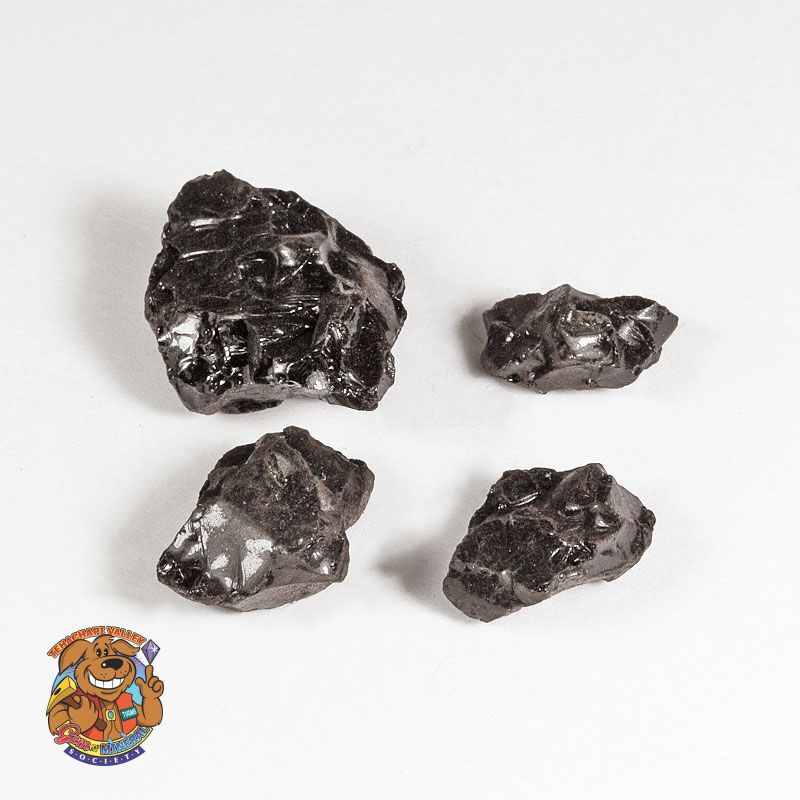
BITUMINOUS COAL

BITUMINOUS COAL

Specimen #: 69

Location: Erie, Colorado

Rock Type: Sedimentary

Description: A low-grade coal with a high bitumen content.

ASPHALTUM (GILSONITE)

ASPHALTUM (GILSONITE)

Specimen #: 70

Location: Grand Junction, Colorado

Rock Type: Sedimentary

Description: A naturally occurring, viscous form of petroleum.