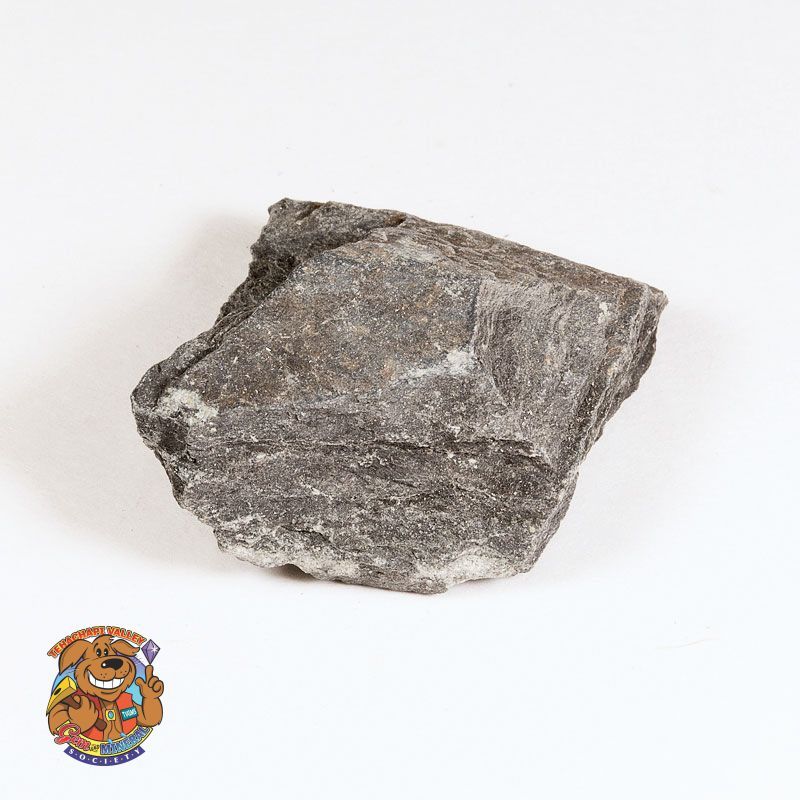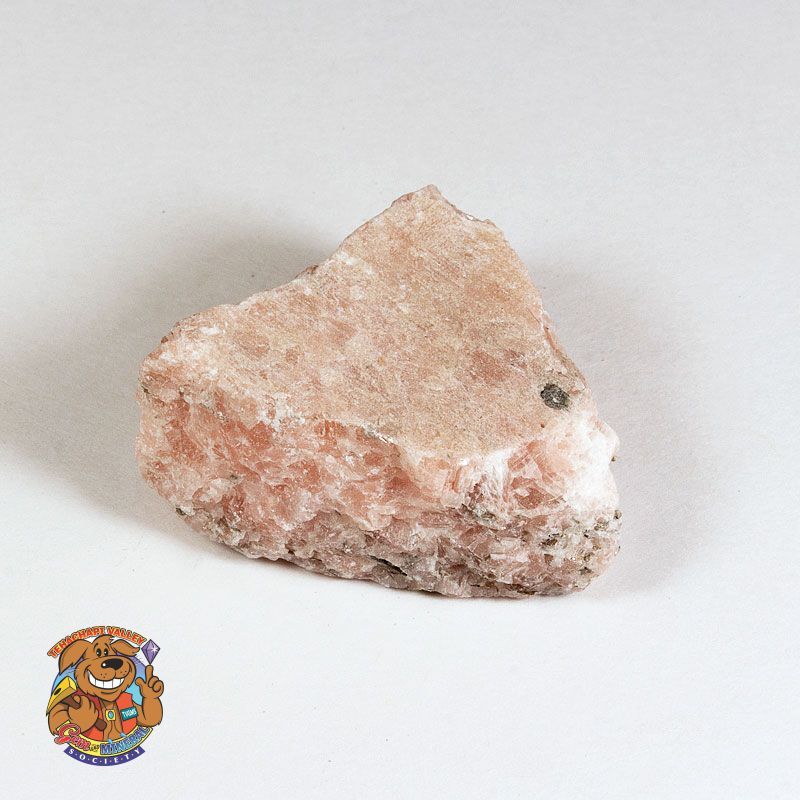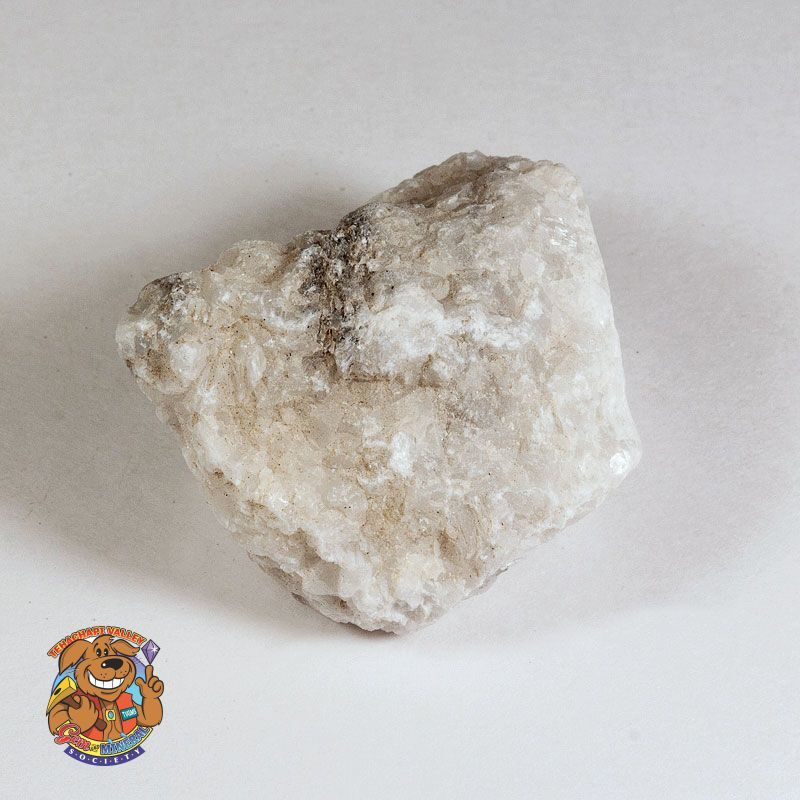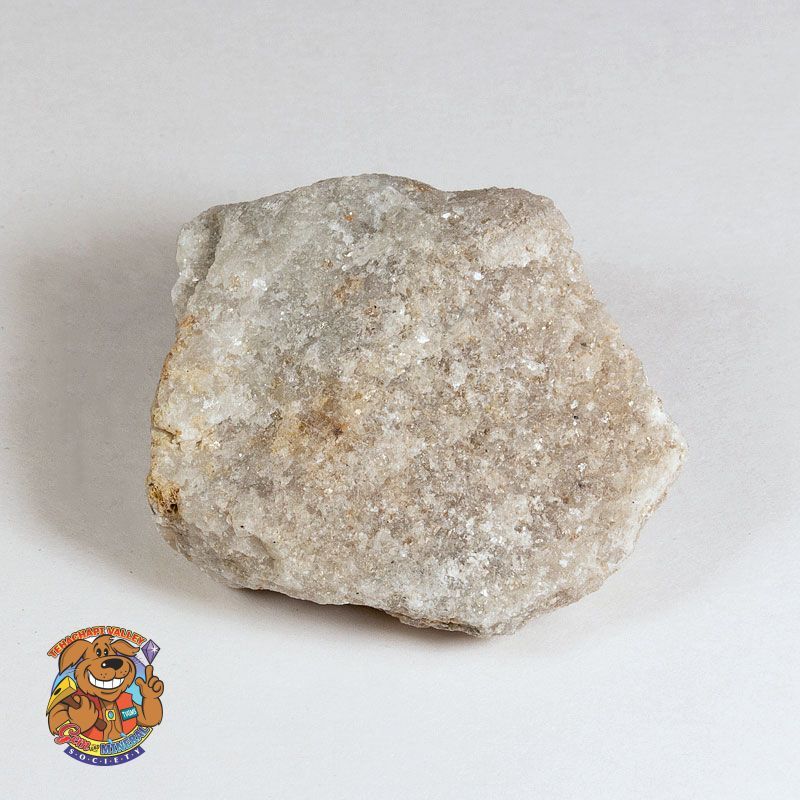


Have you ever wondered how a plain piece of limestone A sedimentary rock often made from tiny sea shells and calcium. can transform into a beautiful, crystalline marble A hard, shiny rock often used for statues and countertops. , or how dull shale A soft, fine-grained rock made from compressed mud. can become shimmering slate A hard, flat rock that is easy to split into thin sheets. ? This process is known as metamorphism The process of changing rocks using heat and pressure without melting them. , and the rocks created are called metamorphic rocks Rocks that have been physically or chemically changed by intense heat and pressure. . Unlike igneous rocks Rocks formed when hot, liquid material cools down and hardens. , which form from cooling magma Hot, melted rock found deep underground. , metamorphic rocks are "recycled" existing rocks. Through intense heat and extreme pressure, the minerals within a rock chemically change and physically rearrange without ever fully melting into liquid.
How Metamorphism Happens
Metamorphism generally occurs through two main processes:
- Regional Metamorphism: This happens on a massive scale, usually where tectonic plates The huge, moving pieces of Earth's outer shell. collide. The immense pressure from these mountain-building events forces minerals to realign. This process often creates foliated rocks Rocks that have visible layers or bands. , which have a layered or banded appearance.
- Contact Metamorphism: This occurs when rocks are "baked" by the heat of nearby magma. Because this is driven more by temperature than by intense pressure, it typically produces non-foliated rocks Rocks that do not have a layered or banded look. , which lack a layered structure.
The Two Main Types of Metamorphic Rocks
1. Foliated Rocks (The Layered Look)
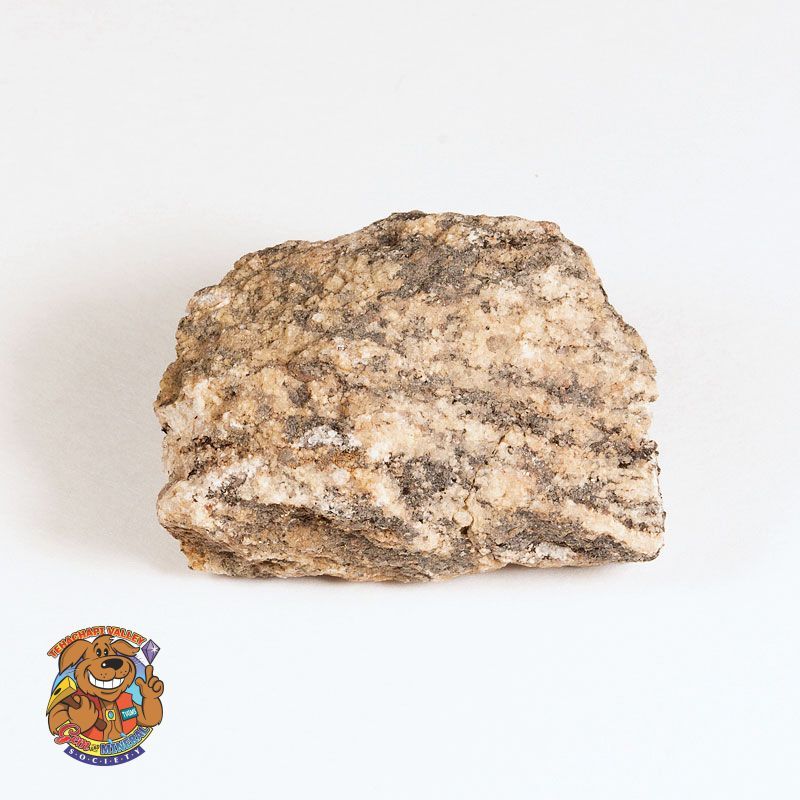
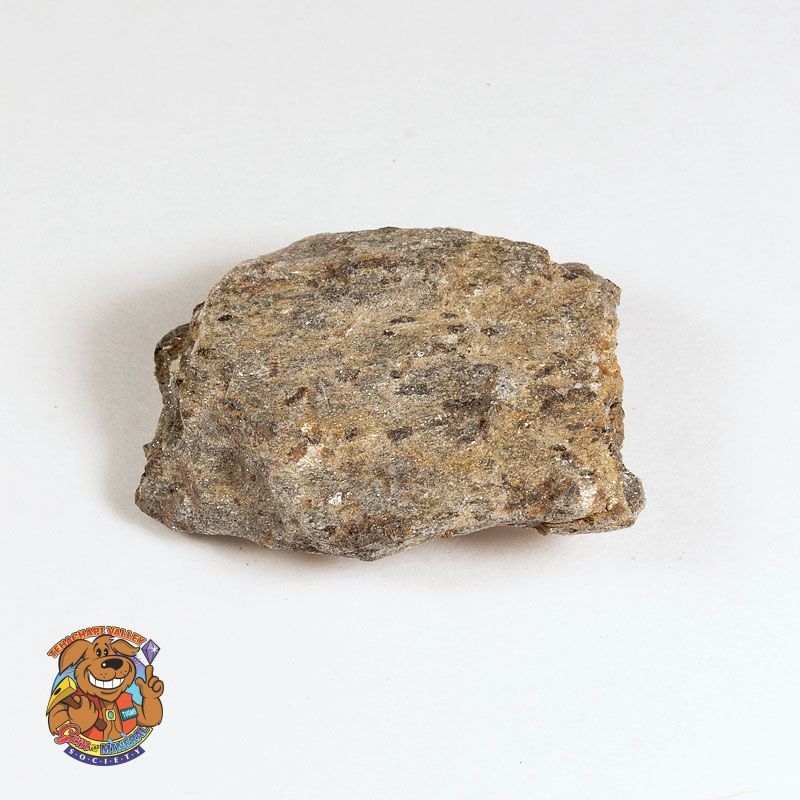
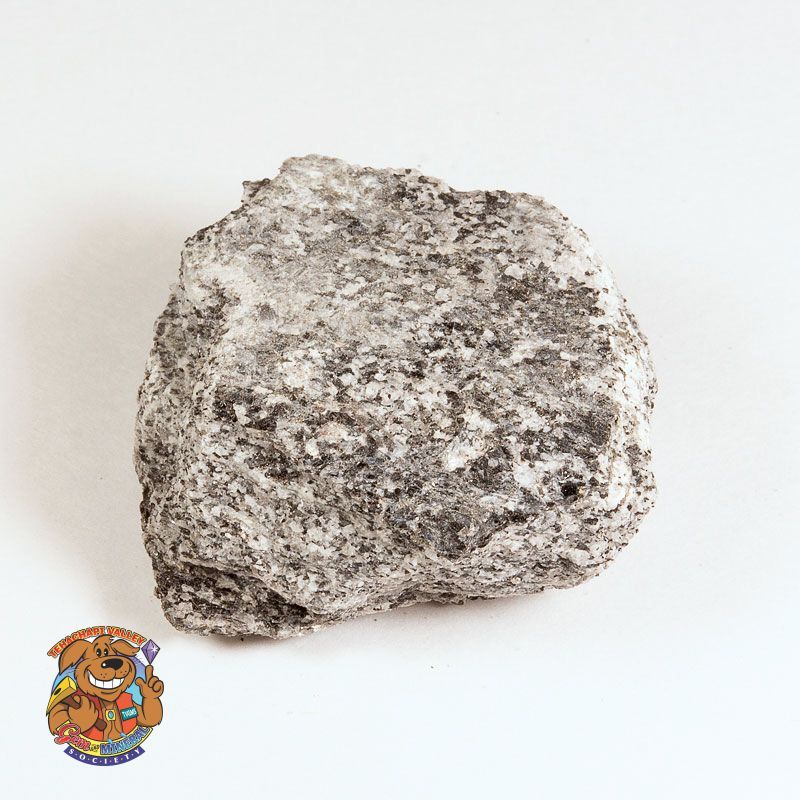
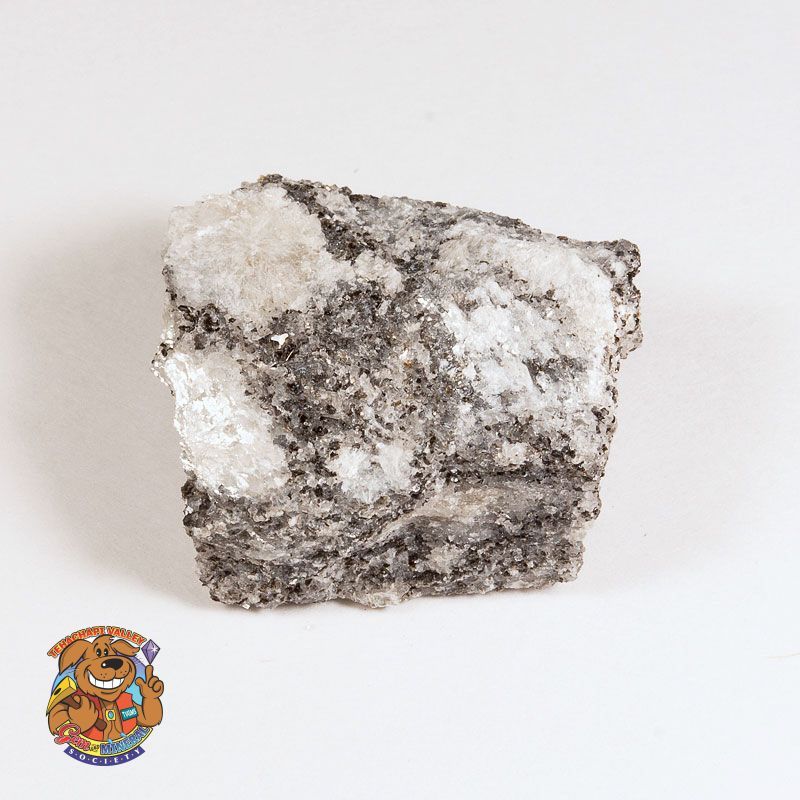
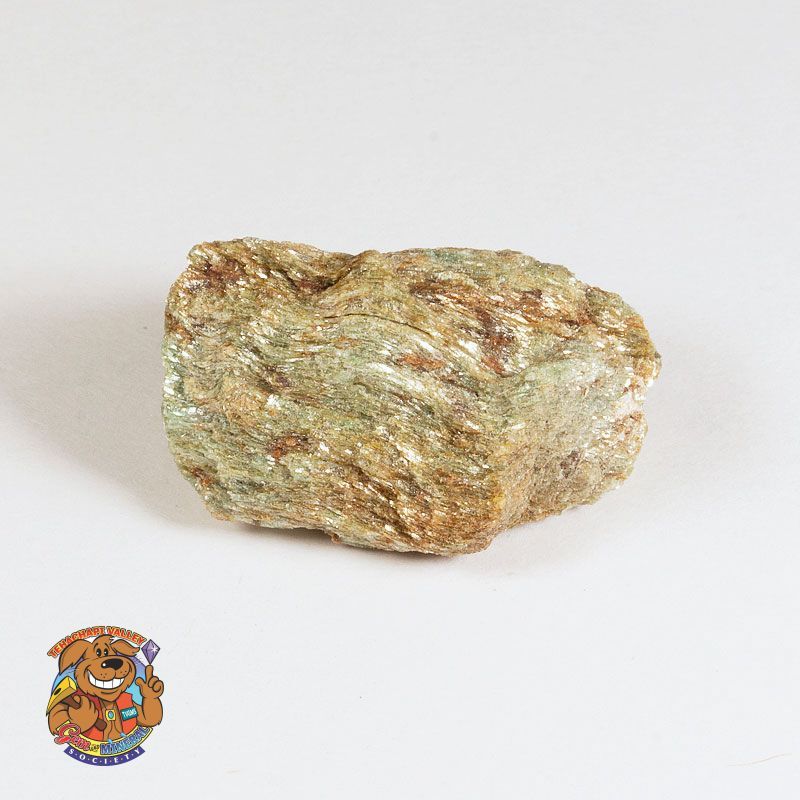
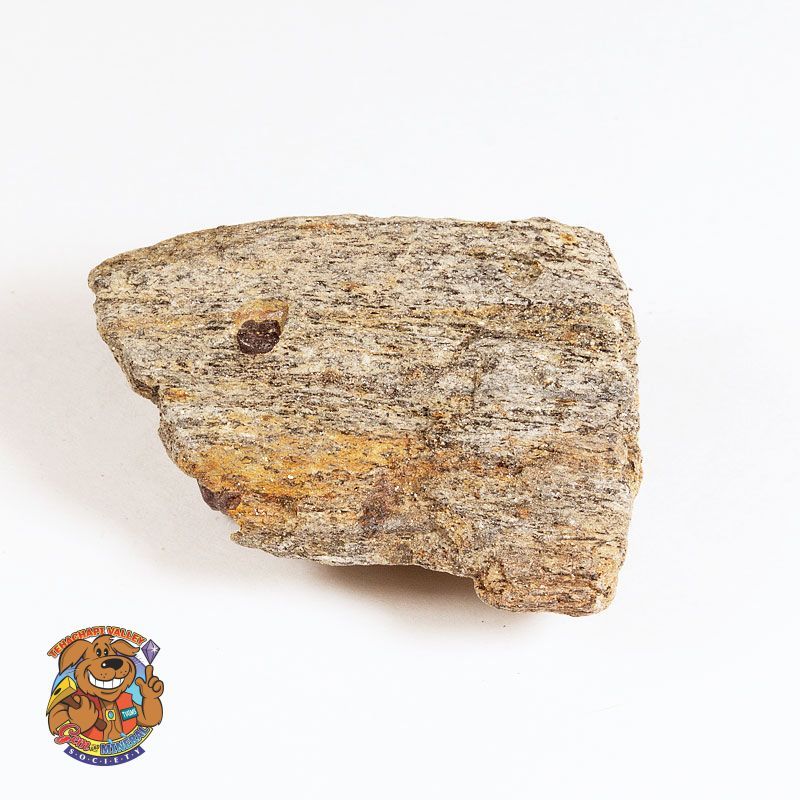
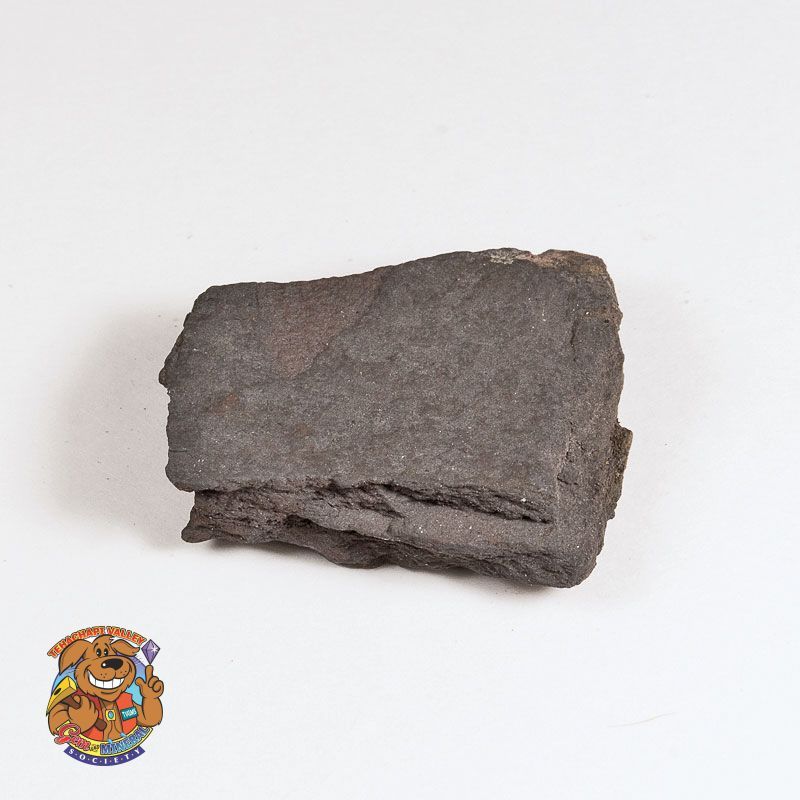
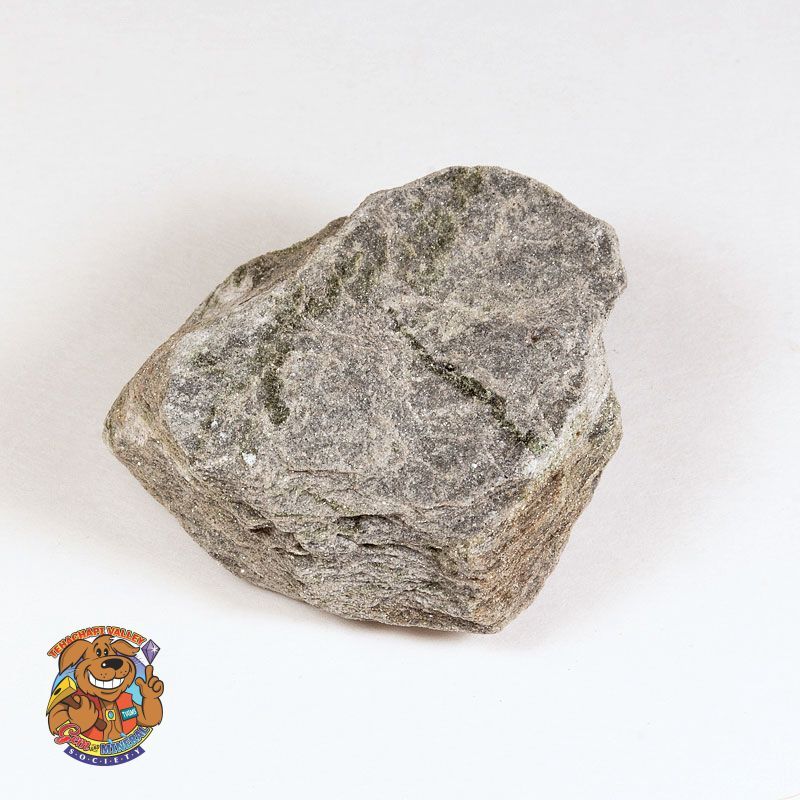
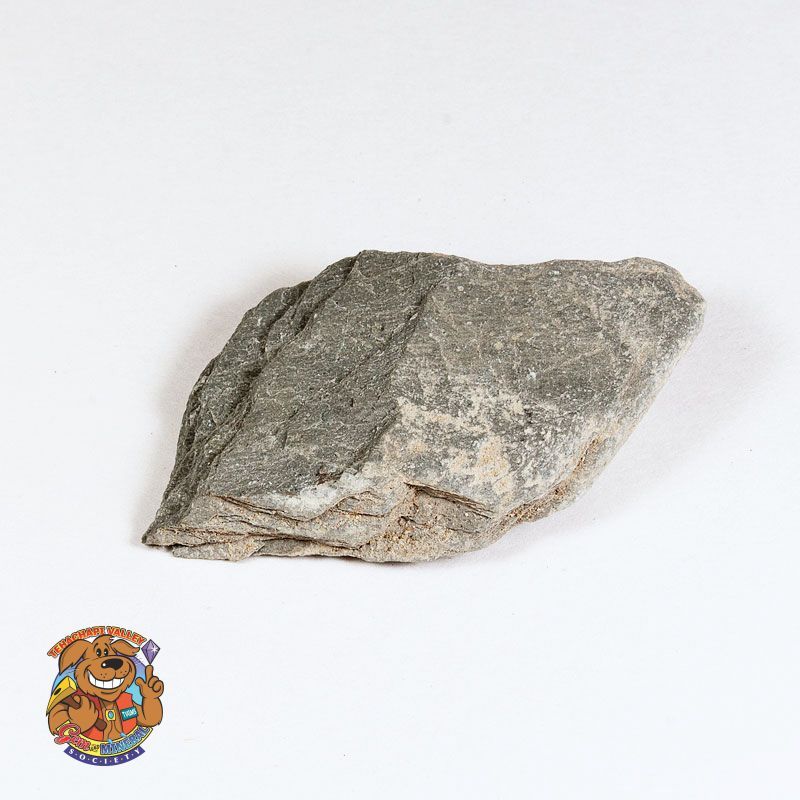
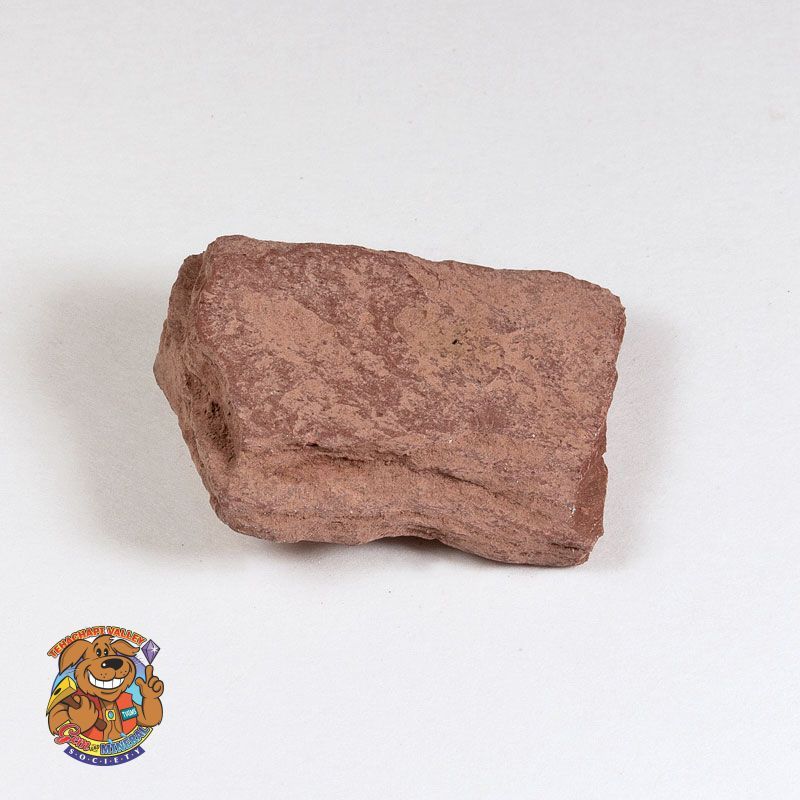
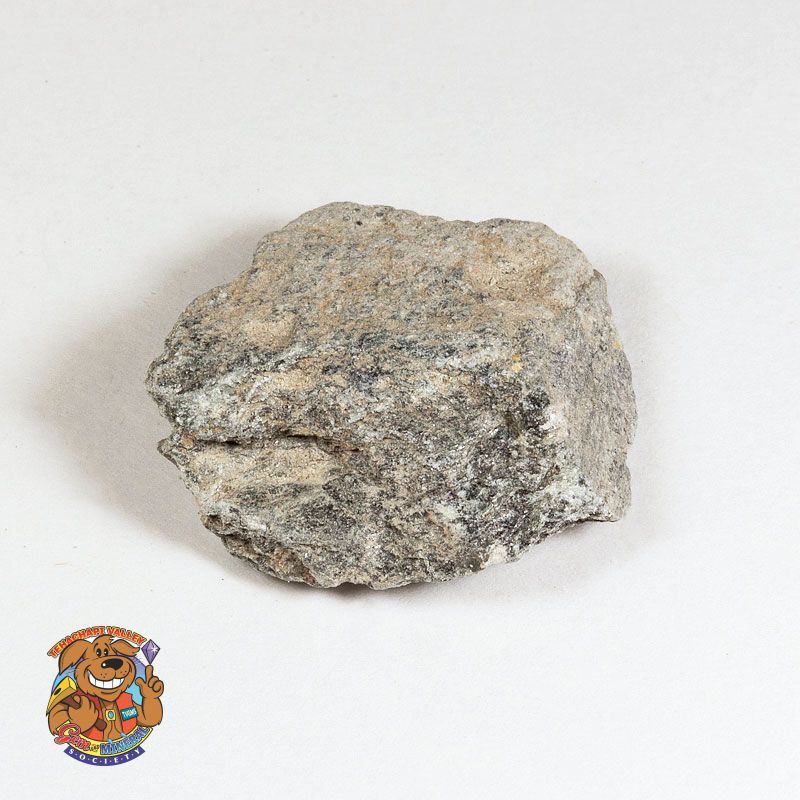
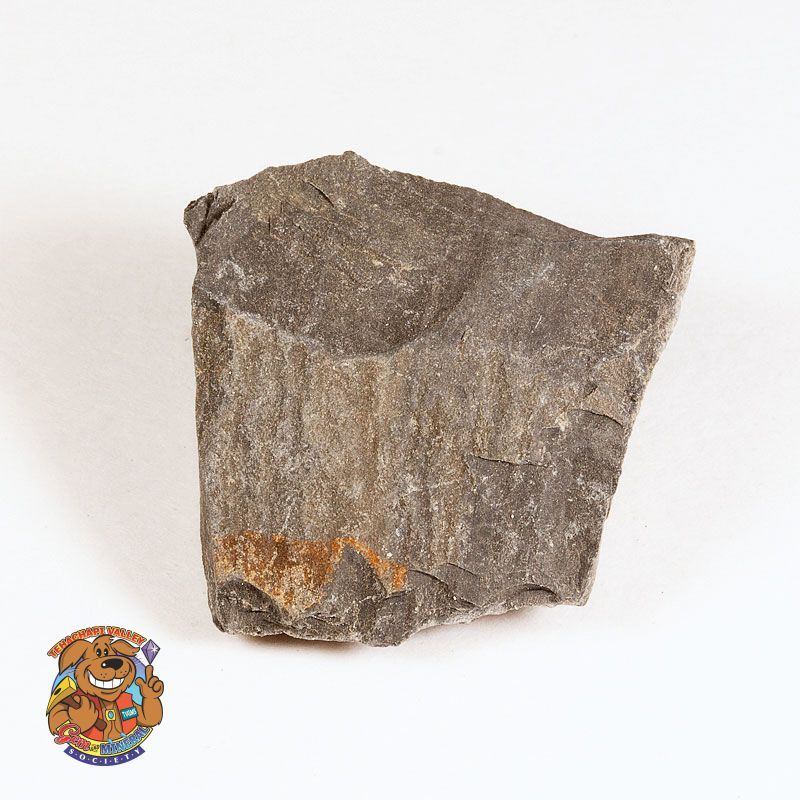
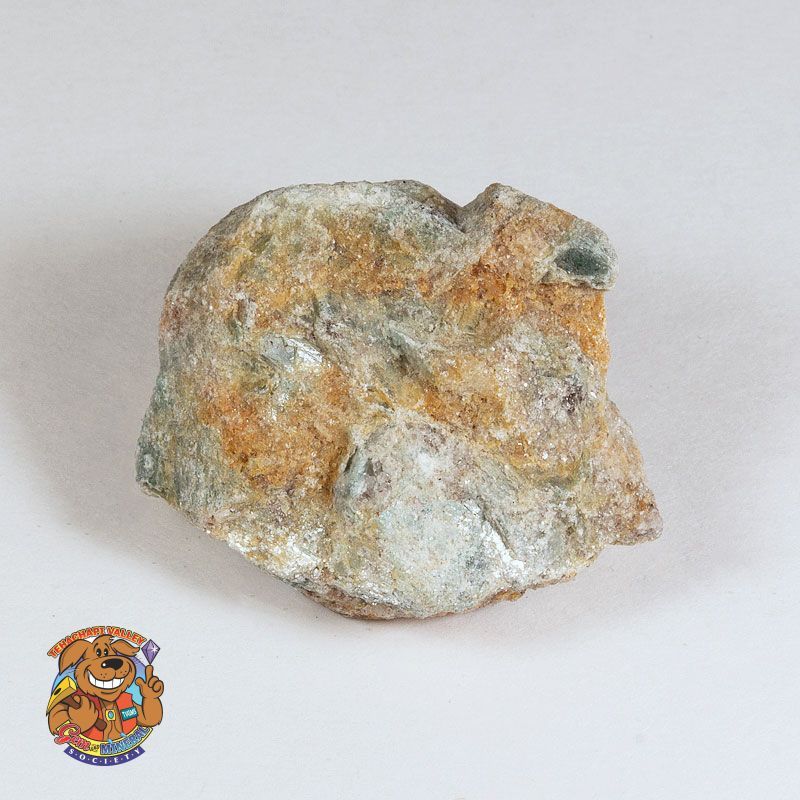
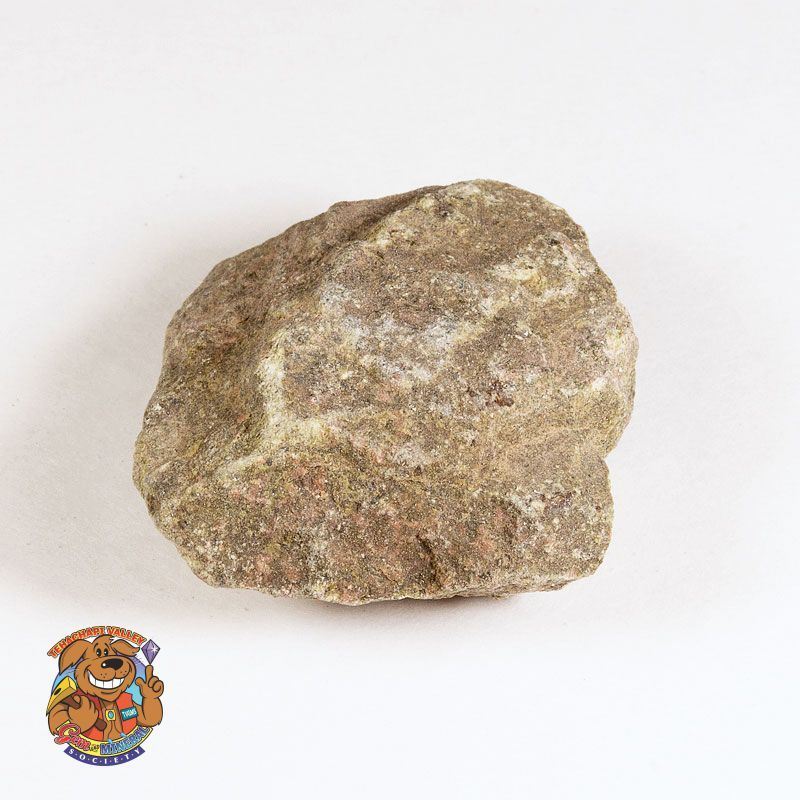
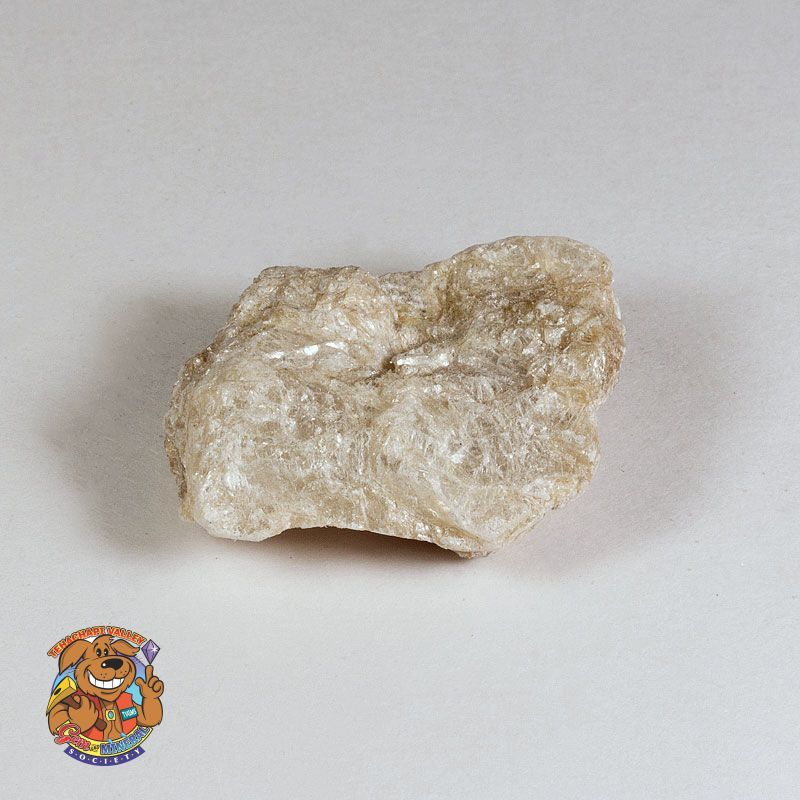
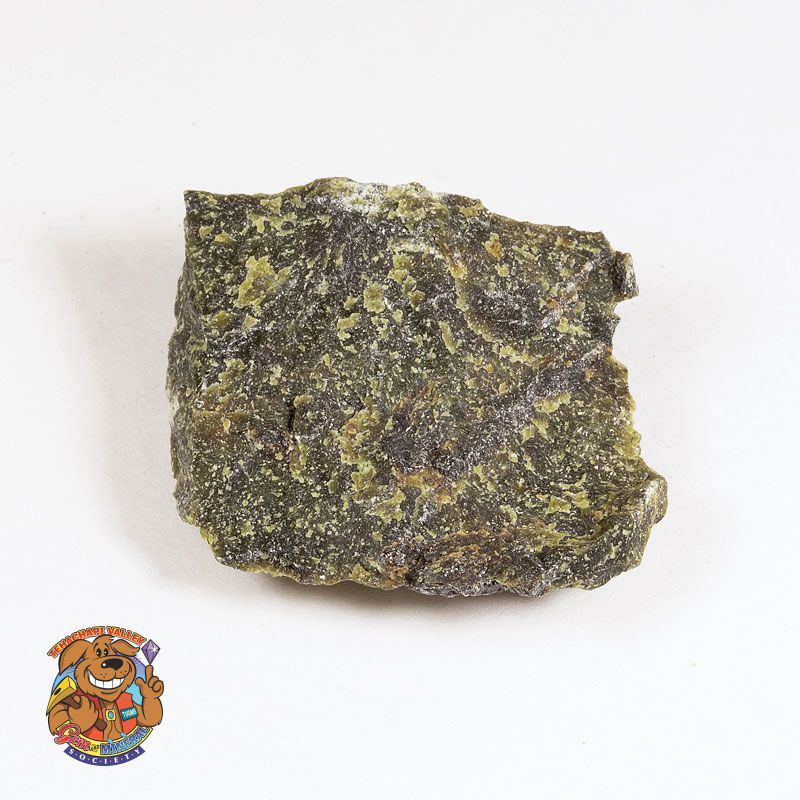
When rocks are subjected to high pressure, their minerals flatten and align into parallel layers or bands. You can often trace the "intensity" of metamorphism by looking at the progression of these rocks. For example, low-grade metamorphism might start with Red Slate, which then evolves into Phyllite or Talc Phyllite. As pressure increases, we see more complex textures in rocks like Mica Schist, Garnet Mica Schist, and Staurolite Schist. At the highest levels of transformation, the bands become very distinct, as seen in Biotite Gneiss or Granite Gneiss. Other notable foliated examples include Chlorite Schist and Graphite Schist.
2. Non-Foliated Rocks (The Massive Structure)
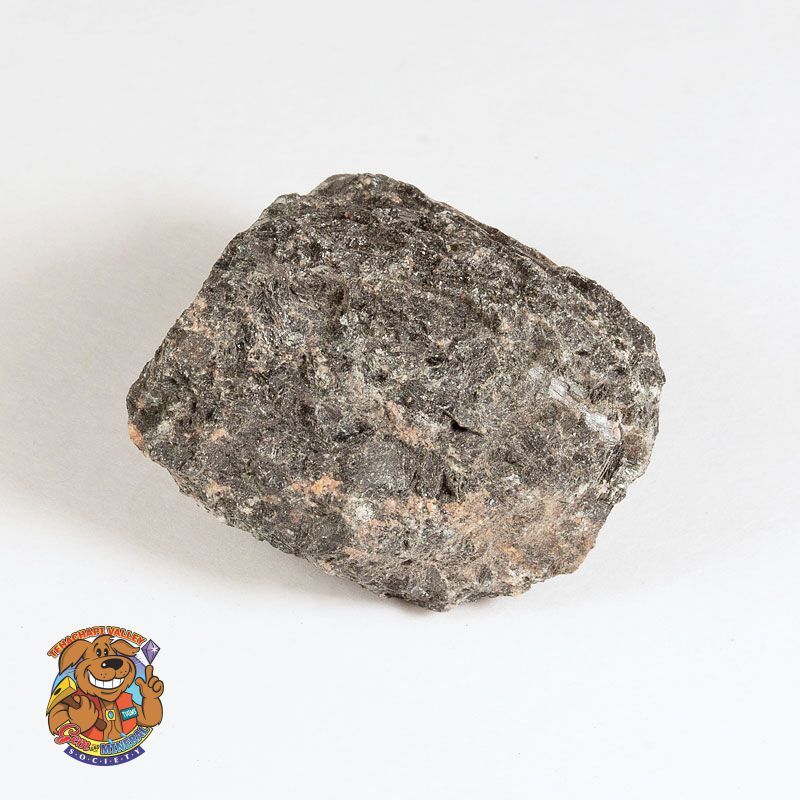
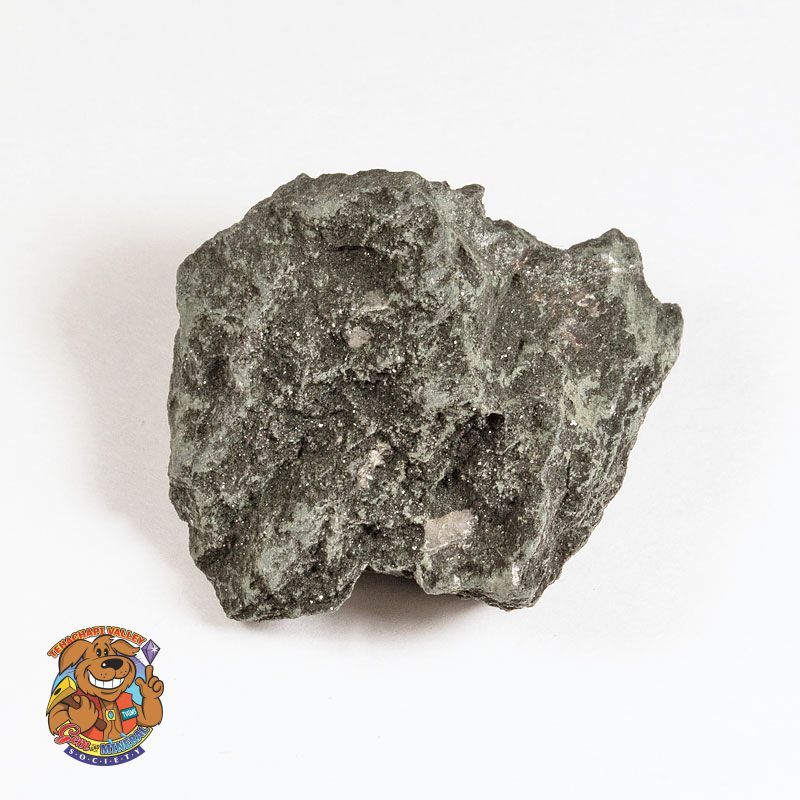
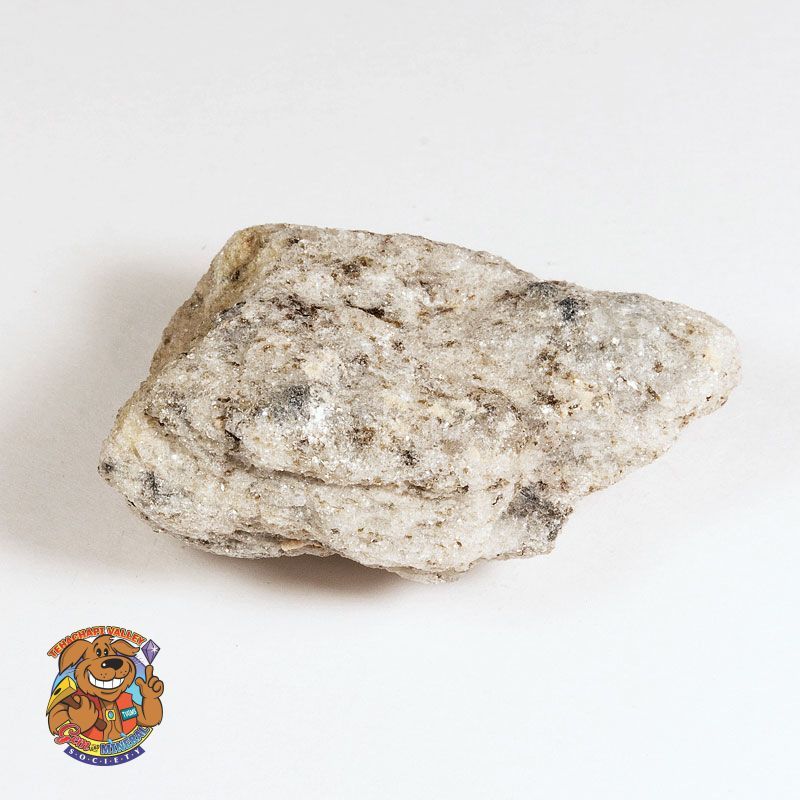
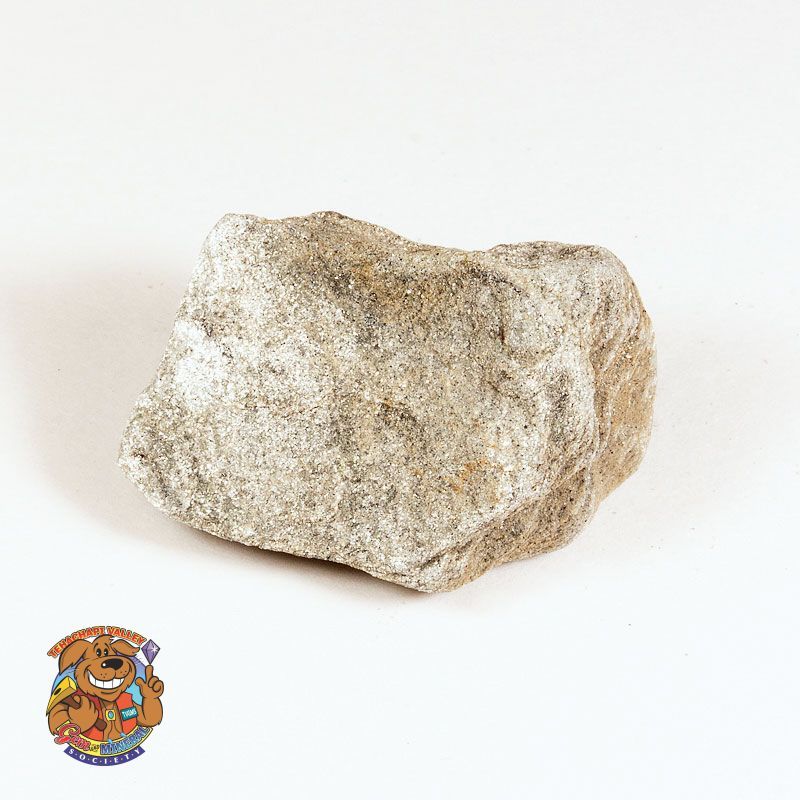
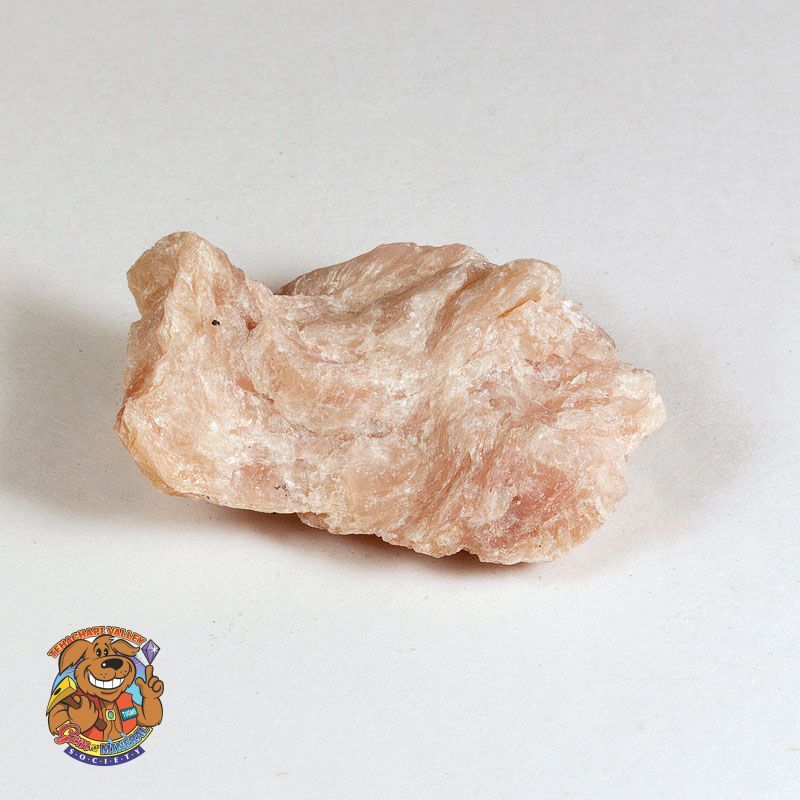
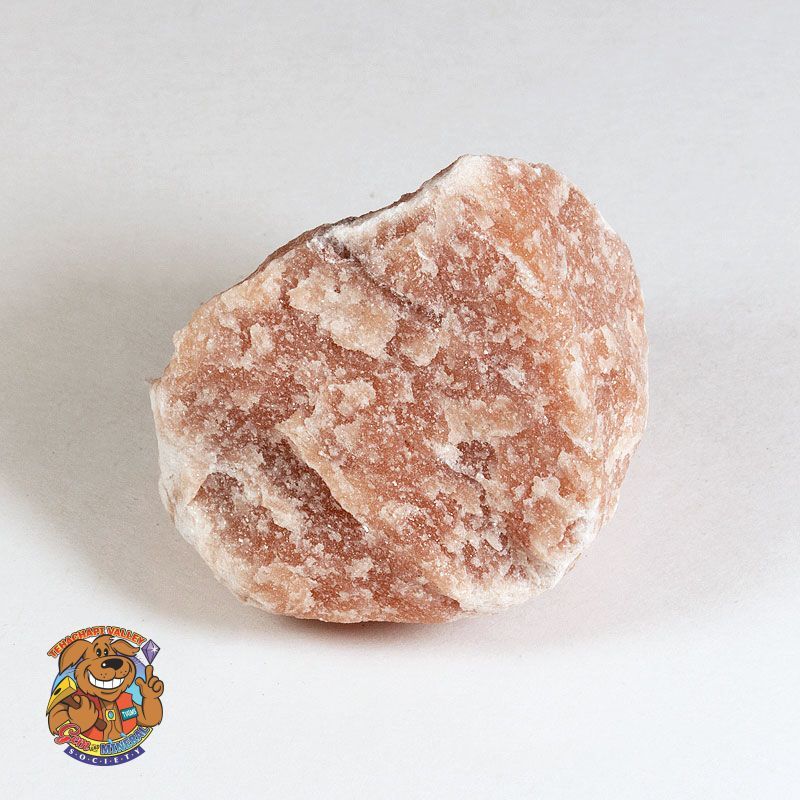
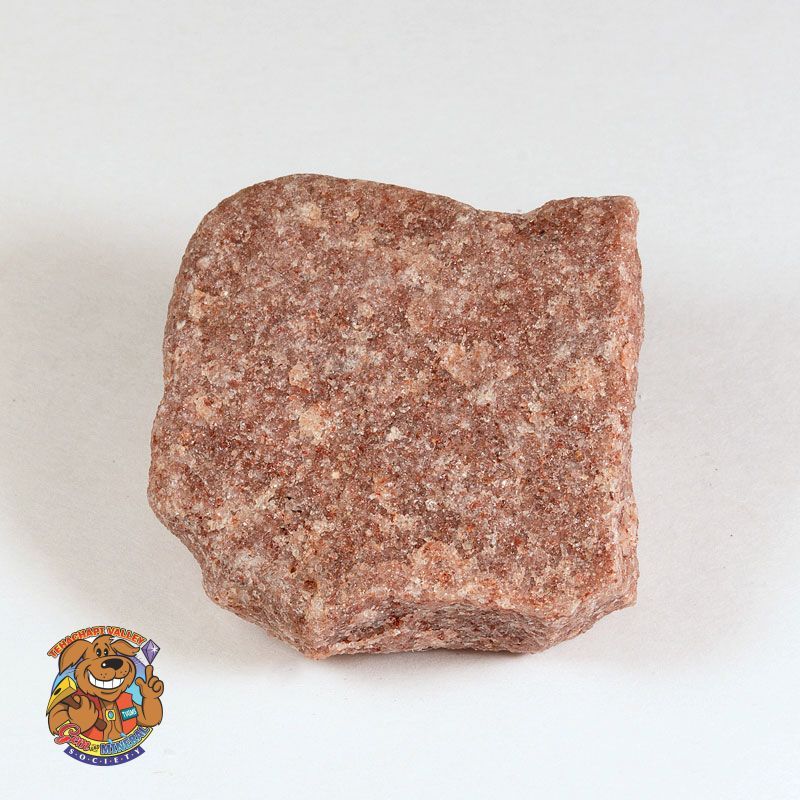
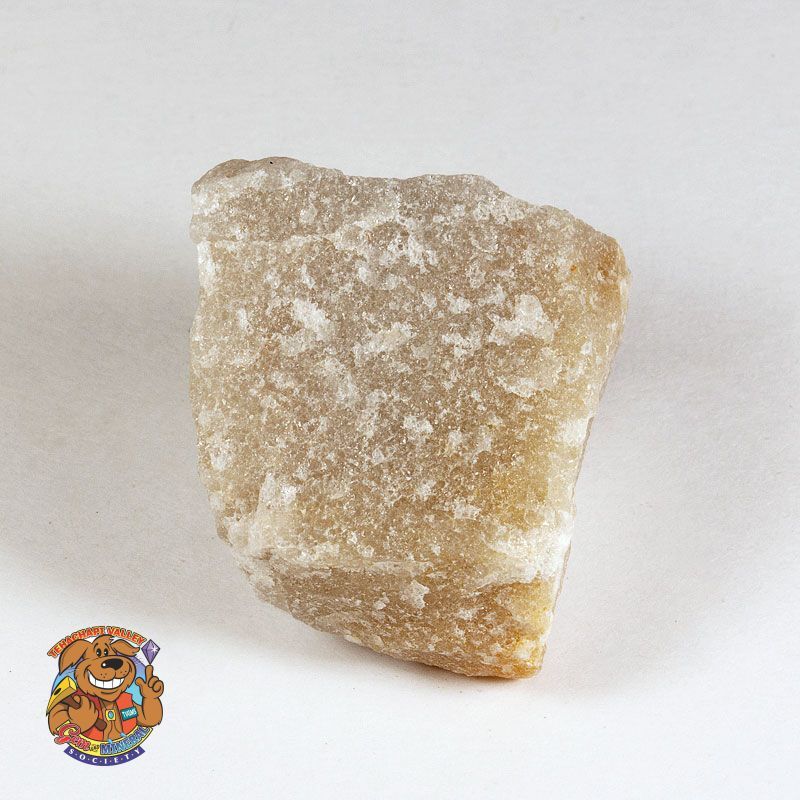
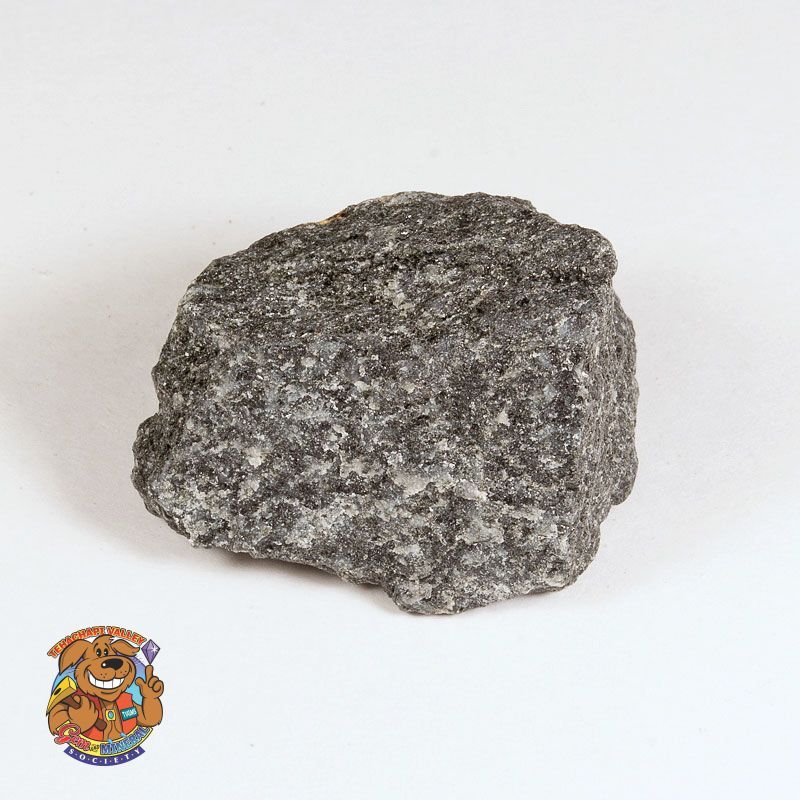
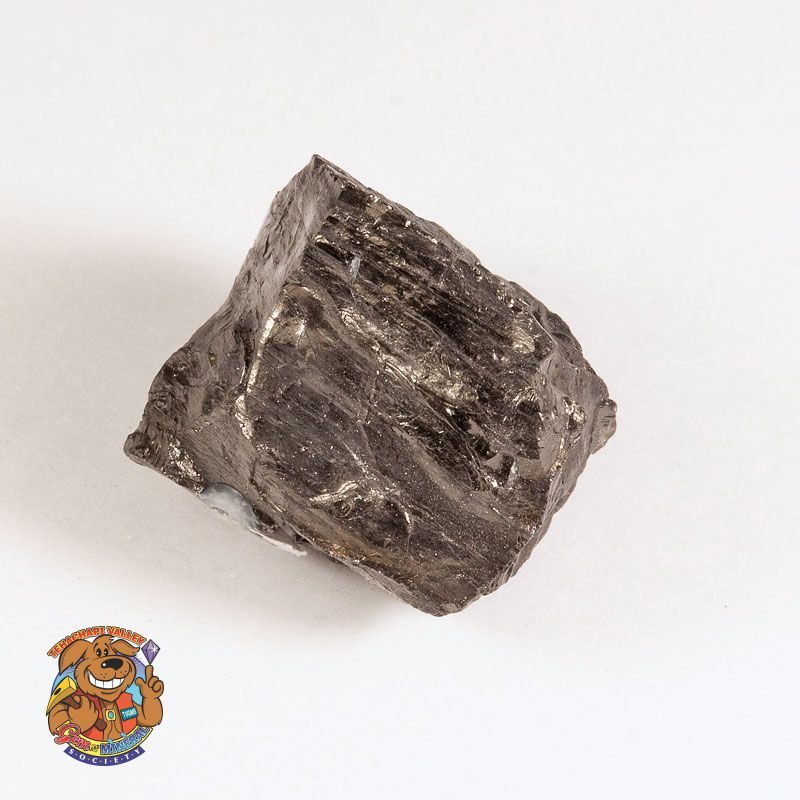
Non-foliated rocks do not have a banded or layered appearance; they look more massive and uniform. These often form during contact metamorphism. Common examples include Marble A beautiful, crystalline rock used in art and construction. (which can appear as Biotite Marble or Serpentine Marble) and Quartzite A very hard, durable rock made mostly of quartz. (such as Kyanite Quartzite). Other sturdy, non-foliated specimens include Anthracite Coal, Hornfels, and Dolostone.